


Aluminum Welding 101 Critical Differences from Steel Fabrication
Aluminum welding with a steel mindset is the fastest way to ruin a weld. While both metals are workshop staples, aluminum operates by completely different physical rules. It has roughly triple the thermal conductivity and double the thermal expansion of steel, all hidden beneath a stubborn, invisible oxide layer that melts at more than double the temperature of the base metal itself.
Whether you are transitioning from mild steel or tackling your first non-ferrous project, mastering aluminum requires resetting your approach to surface preparation, heat control, and wire feeding. This guide breaks down the critical material differences, equipment requirements, and technique adjustments you need to make clean, structurally sound aluminum welds without blowing through your workpiece.
Why Aluminum Behaves Differently
Aluminum possesses physical characteristics that make thermal control far more challenging than mild steel:
Rapid Thermal Conductivity. Aluminum conducts heat roughly three times faster than steel. This rapid absorption means heat dissipates into the base metal instantly, requiring higher initial amperage to build a puddle.
Invisible Melting Point. Unlike steel, which glows dull red before turning bright yellow as temperature rises, aluminum maintains its silvery appearance right up to its melting point (1,220°F / 660°C).
Refractory Oxide Layer. Exposed aluminum instantly forms an aluminum oxide film. This outer skin melts at roughly 3700°F / 2037°C, nearly three times higher than the underlying base metal. Attempting to weld over this oxide layer traps non-metallic inclusions inside your joint.
Equipment Requirements for Aluminum Welding
You cannot run aluminum filler metal through a standard steel welding rig without making major hardware adjustments. Successful aluminum welding relies on specialized setups designed to handle soft wire and manage stubborn oxides:
Feed Systems. Aluminum wire is soft and buckles easily in long standard conduits. MIG setups require a dedicated spool gun or a push-pull feeder system to maintain steady wire delivery without "bird-nesting."
Shielding Gas Selection. Switch from mixed carbon dioxide gas to 100% pure Argon (or an Argon/Helium blend for heavy plate) to maintain stable arc characteristics and proper coverage.
AC Output for TIG. TIG processes require Alternating Current (AC). The positive half of the AC cycle blasts away the tenacious surface oxide layer, while the negative half delivers deep thermal penetration into the base metal.
Consumables and Torch Parts. Use dedicated zirconiated or pure tungsten electrodes along with clean drive rolls specific to aluminum profile dimensions.
Proper Preparation and Cleaning
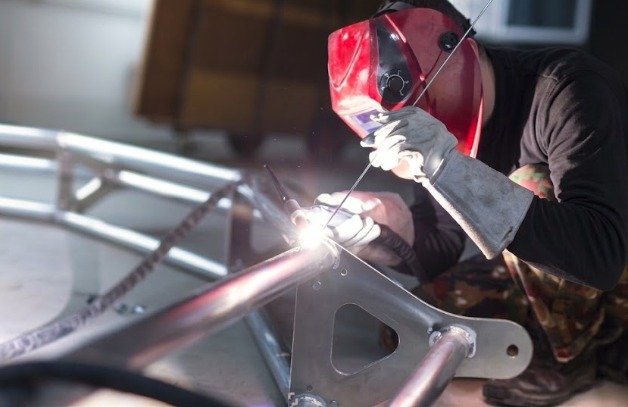
Cleanliness directly determines weld quality in any aluminum welding application. A dedicated stainless steel wire brush, used strictly on aluminum to prevent cross-contamination, removes the tough surface oxides right before you strike an arc. Clean the material with solvent degreasers like acetone to lift oils, grease, and shop grime. Because aluminum re-oxidizes rapidly, execute your joints within a short window following mechanical prep.
Master the Craft with Hands-On Training
At The American Welding Academy (AWA), our programs are designed to maximize hands-on practice with instructor feedback. Students don't just learn technique; they learn how to meet industry standards and carry themselves professionally on the job. AWA's welding courses are specifically designed to develop the foundational skills required before specializing further.
AWA also welcomes veterans looking to transition into the workforce. We accept GI Bill benefits**, making it more accessible for those who have served. Trade school training through AWA is a practical, focused path to entering the welding industry with the skills employers actually look for.
To learn more about welding programs, enrollment, and upcoming start dates, visit our website at www.awaweld.com or call AWA directly at (636) 800-9353 to speak to an admissions advisor.
**GI Bill® is a registered trademark of the U.S. Department of Veterans Affairs(VA). More information about education benefits offered by VA is available at the official U.S. government website at http://www.benefits.va.gov/gibill
Frequently Asked Questions
Is aluminum welding harder to learn than steel welding?
Many beginners find it more challenging at first because of the heat conduction and lack of visual cues. With proper instruction, most welders adapt within a reasonable training period.
Can someone with no welding experience start directly with aluminum?
It is generally easier to build foundational skills on steel first. Steel gives clearer visual feedback, which helps beginners understand arc control before moving to trickier metals.
What industries rely most on aluminum welding?
Aluminum welding is common in transportation, marine fabrication, and certain structural applications where weight reduction matters. Demand varies by region and industry sector.
