


Arc Flash Eye Damage and Photokeratitis: Prevention & PPE Guide | American Welding Academy
An arc flash creates far more danger than the bright light you see. Most welders understand that arc flash exposure poses immediate risks, but many don't realize how cumulative damage develops across a career when eye protection remains inconsistent. Treating eye safety as a one-time checklist item, rather than a lifelong practice, leaves your vision vulnerable to both acute injuries and permanent degradation.
What Happens When UV Light Hits Your Eyes
An arc flash emits ultraviolet (UV) radiation and intense light energy that can damage unprotected eye tissues. UV exposure triggers arc eye, medically known as photokeratitis. This painful condition injures the cornea's surface cells and strikes without warning if your hood slips, your lens shade proves inadequate, your safety glasses lack proper ratings, or you receive stray light from a nearby work area.
The Delayed Symptoms That Catch You Off Guard
Photokeratitis poses a particular challenge because symptoms don't appear immediately. Most welders experience pain, blurred vision, and light sensitivity between 6 to 12 hours after exposure. This delay explains why many workers feel fine driving home, only to wake at 2 a.m. with severe eye pain and watery, reddened eyes.
You might report these signs following exposure:
Gritty, sand-like sensation with excessive watering and redness
Photophobia (intense light sensitivity) accompanied by eyelid spasms or swelling
Blurred vision or reduced visual clarity that develops hours after the exposure
Photokeratitis typically resolves within 24 to 48 hours, but the condition still costs you sleep, work time, and confidence in the booth. More importantly, it signals that your eye protection protocols need immediate strengthening.
Selecting Eye Protection That Matches Your Hazard
OSHA regulations require protective equipment featuring filter lenses with appropriate shade numbers. Higher shade values mean darker lenses that block more light. Additionally, all eye and face protection devices must comply with ANSI Z87.1 standards.
The critical rule remains constant: use eye protection rated for your task, verify it stays in good condition, and confirm you can see the puddle clearly without lifting your hood to peek underneath.
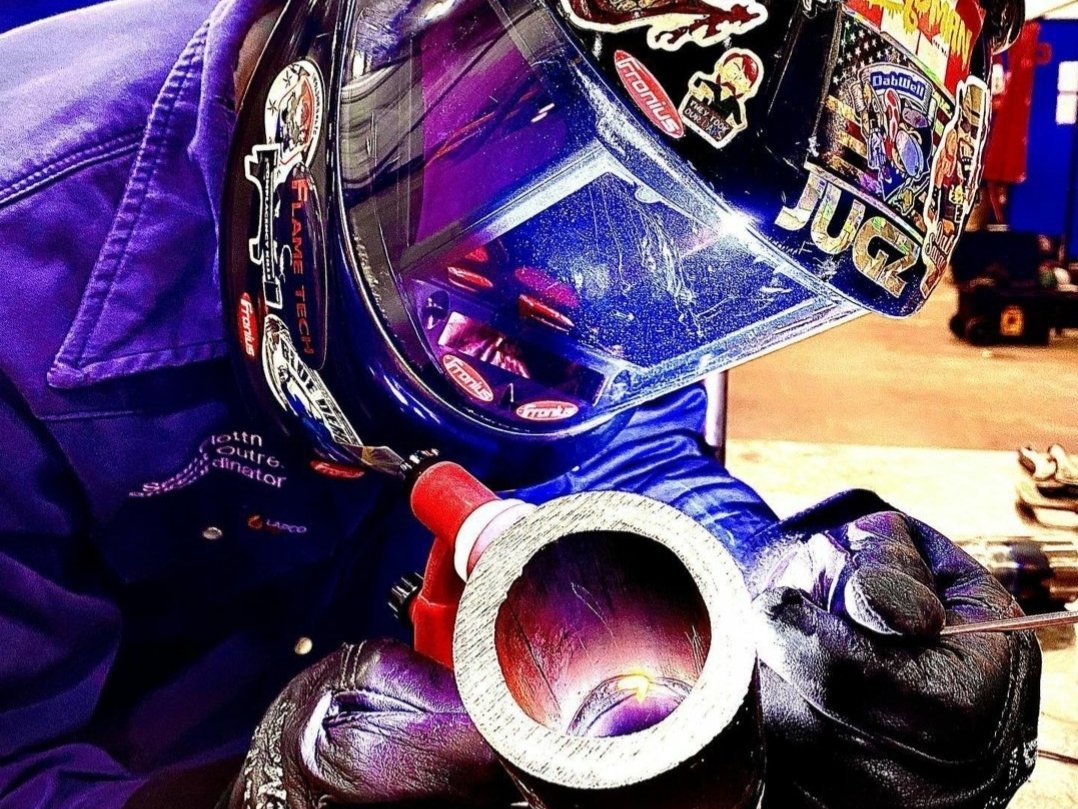
Build these protective habits into your daily routine:
Wear ANSI Z87.1-compliant safety glasses under your hood during welding, prep work, and cleanup to guard against both radiant energy and flying particles.
Select the correct filter shade for your specific task, then resist the urge to flip your hood repeatedly.
Deploy welding curtains and screens to protect coworkers and bystanders from stray arc exposure.
Include shade selection and lens inspection in your shop's written procedures as regular protocol, not an emergency response.
OSHA notes that you may reduce the helmet lens shade when using filter lenses underneath, provided the combined shade values still meet required standards. If your workplace maintains written procedures, integrate these checks into daily routines.
Training Builds Automatic Safety Reflexes
Preventing arc eye incidents requires developing automatic behaviors: keeping PPE on during tack-ups, positioning screens before striking, and waiting for everyone nearby to receive protection before you arc. Structured training with close instructor feedback helps newer welders internalize these habits faster, building rhythm and confidence in the booth before inconsistent practices take root.
At the American Welding Academy, we provide comprehensive training that extends beyond basic welding techniques. Our students work hands-on with diverse metals and learn to assess projects holistically, developing both the confidence and technical skills required for a successful, long-term career.
Ready to transform your interest in welding into professional expertise? Explore our programs, connect with us online, or call (636) 800-9353 to learn more about enrollment, program details, and how AWA can help you launch a career that lasts.
