


Farm Welding Projects: Custom Fabrication & Agricultural Repair Ideas | American Welding Academy
Most farm welding projects are often the difference between a smooth day in the field and costly downtime. Agricultural communities ask a lot of metal. Vibration, moisture, dust, and freezing nights all work together to crack, bend, and corrode components faster than many people expect. The good news is that ranch and farm work also creates steady opportunities for practical welders who can build solutions that match real-world conditions.
What Makes Farm Welding Projects Different
A farm is not a controlled shop floor, so welding repairs happen around uneven ground and tight access. Parts are frequently oversized or awkward. Moving it to the bench is not always realistic when the broken item is a gate frame, a feeder, a trailer tongue, or an attachment that weighs more than a few people can safely handle. That environment rewards welders who can think like fabricators, not just bead runners. Layout, joint fit-up, and smart reinforcement matter as much as the arc.
Another difference is the mix of materials. One day, you might be dealing with mild steel. Next, you are patching thin sheet on an older implement or welding a cracked bracket on a heavy plate.
Success comes from adapting to what you see. It can be cleaning thoroughly or choosing a process that tolerates less-than-perfect conditions. It can also be setting expectations honestly with the owner about what is repairable versus what should be replaced.
Safety and Hot Work Planning in Farm Settings
Welding work in agricultural areas can bring hazards that are easy to underestimate, especially around grain storage and older structures. Grain handling sites are associated with serious risks, including fires and explosions from grain dust. OSHA highlights hazards like fires and explosions, engulfment, and falls in grain handling environments. That matters because hot work can introduce ignition sources. A single shortcut can have consequences far beyond a failed repair.
Confined spaces also show up on farms more than people realize: bins, tanks, pits, and enclosed areas with limited ventilation. Guidance on welding safety notes that confined space work can involve oxygen deficiency. Inert gases and common reactions can reduce oxygen in enclosed locations such as tanks, pipes, and pits. If you ever feel tempted to just get in there and finish it, pause and treat it like a serious jobsite.
Use a simple hot-work mindset before striking an arc:
Clear combustibles, control sparks and slag with guards or barriers when hazards cannot be removed.
Avoid welding in spaces or situations that are not authorized. Follow established cutting and welding procedures and training expectations consistent with OSHA’s welding, cutting, and brazing requirements.
Treat grain bins and similar enclosures as high-risk locations and do not assume “open doors” equals safe air; plan ventilation and entry controls appropriate to the space.
Materials, Contamination, and Repair Reality
Farm gear rarely arrives clean. Paint, oil, grease, rust, and fertilizer residue can contaminate the weld zone, increasing the chance of defects like porosity or lack of fusion, which can weaken a joint and lead to rework. Preparation is not glamorous, but it is where many rural repairs are won. This includes grinding to bright metal, removing coatings where possible, and making room for the weld to penetrate.
Fit-up is the next big divider between a “looks okay” fix and a repair that lasts through a season. Misalignment, gaps, and thin edges can pull the puddle away, especially when you are trying to bridge worn holes. When a component has been stressed repeatedly, consider adding a backing plate, a gusset, or a redesigned bracket instead of concentrating force at a single crack line.
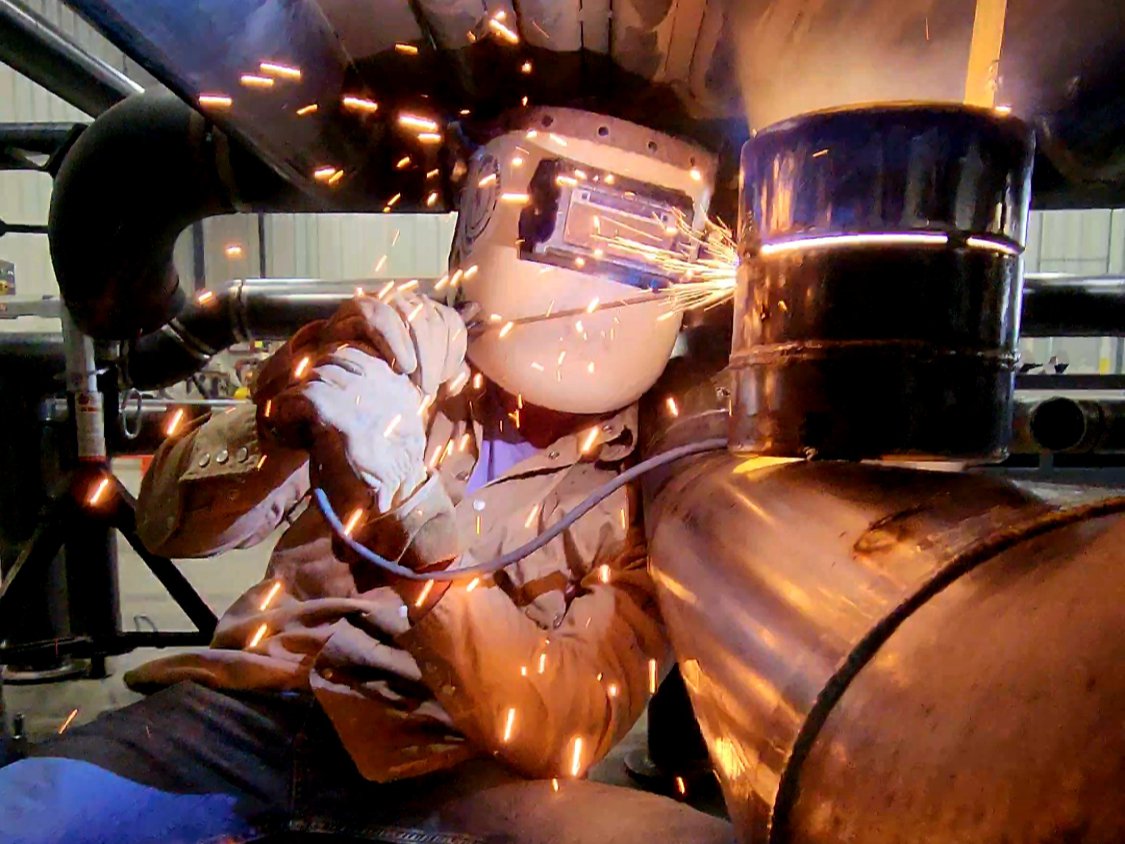
It also helps to be realistic about what welding can and cannot do. Some parts fail because the base metal is too thin, fatigued, or already stretched. In those cases, a custom-fabricated replacement piece can be the most honest fix even if it takes longer on the front end.
Farm Welding Projects That Benefit From Custom Fabrication Skills
The most valuable farm welding projects are often not emergency patches. They are purpose-built upgrades that make daily chores easier, safer, and more efficient, and they usually require basic fabrication ability: measuring, cutting, squaring, tacking, and checking for clearance before final weld-out.
Here are examples where custom-built skills shine:
Gate and hinge reinforcements, including new hinge barrels, latch plates, and anti-sag braces sized to the opening.
Trailer and implement improvements, such as stronger jack mounts, safety-chain points, stake pockets, or redesigned ramps that match how the trailer is actually used.
Livestock and feeding hardware, including bunk supports, feeder skids, and guard rails that reduce bending when animals push or climb
Equipment attachment repairs, like cracked tabs, worn pin holes rebuilt with a sleeve, or new brackets aligned so pins slide smoothly instead of binding.
Field-ready storage solutions, such as simple racks, tool holders, and carry-all frames built to survive vibration and weather.
A key opportunity in agricultural communities is learning to “fabricate for maintenance.” That means leaving room for grease fittings, designing parts that can be replaced in sections, and placing welds where a future repair is possible without dismantling half the machine. Those habits turn a welder into a problem-solver that neighbors remember and recommend.
Train for Real-World Rural Work
If you are drawn to hands-on work in farming regions, the best starting point is solid fundamentals you can repeat under pressure: safety habits, joint prep, positional welding, accurate layout, and consistent quality. The American Welding Academy focuses on building those core skills through hands-on training and close instructor interaction. Testing tied to industry standards used in welding qualification practices and real-world scenarios.
To build the core skills that support rural repair and fabrication work, visit https://www.awaweld.com or call us at (636)800-9353 to explore our welding programs and what might be the best fit for you.
