


Welding for Pipeline Construction: High-Demand Specialty with Premium Pay
One of the most respected and well-compensated paths in the welding trade is pipe welding. It demands precision, strong technical knowledge, and a willingness to work in challenging conditions. If you're exploring welding careers, understanding what this specialty requires can help you decide if it's the right direction for you.
What Pipe Welding Actually Involves
Pipeline welders, often called pipeliners, are responsible for joining sections of pipe to exact specifications. These pipes carry oil, gas, water, and other materials across long distances. A single flawed weld can create serious safety hazards, so the margin for error is essentially zero.
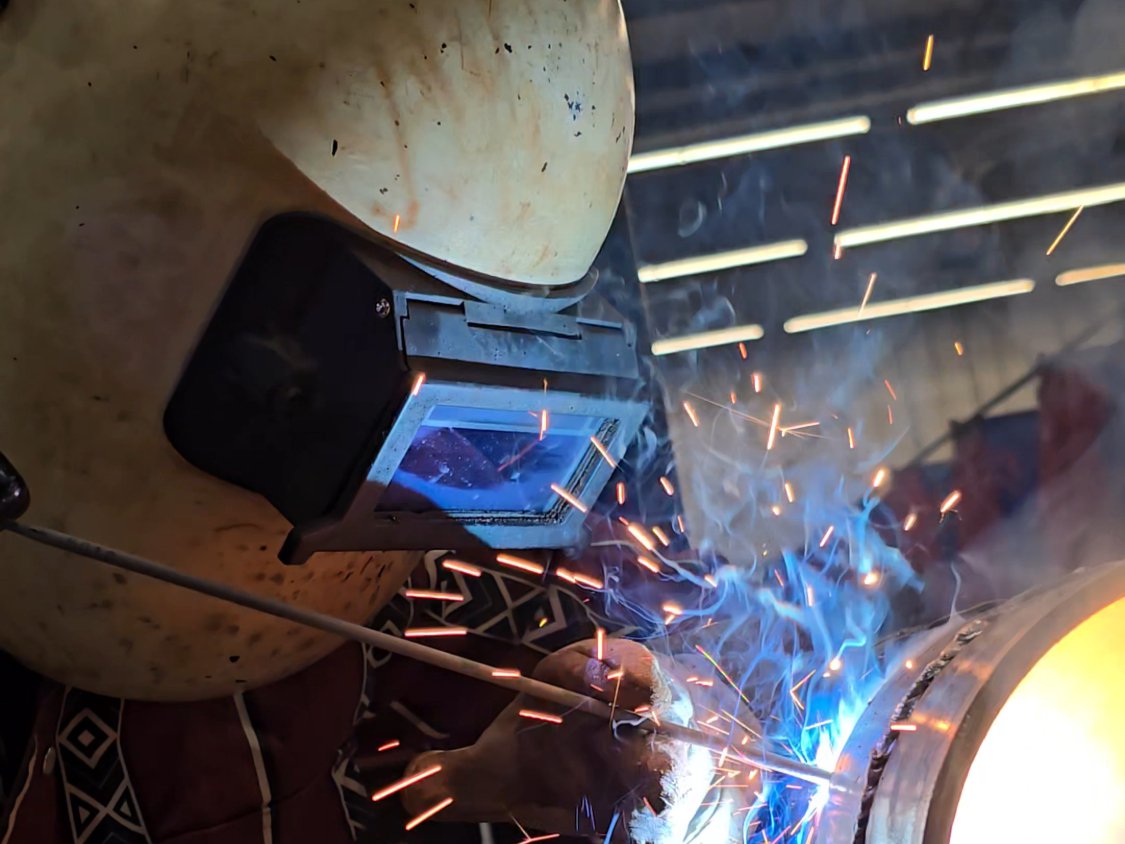
Most of this work happens outdoors. Pipeliners regularly work in remote or rugged terrain, in varying weather conditions, and on tight project schedules. It is physically demanding work that requires endurance as well as technical skill.
Here are some common job sites where pipeline welding jobs appear:
Power plants and refineries
Cross-country pipeline projects
Ethanol plants
Boilermaker and pipefitter union work
The Pipe Welding Code Standards You Must Know
Industry codes heavily govern pipeline welding. These are not suggestions. They are strict standards that every weld must meet. Two of the most important frameworks are:
ASME Section IX governs welding and brazing qualifications, including the Welding Procedure Specifications (WPS) and Procedure Qualification Records (PQR) required on every project
ASME B31.4 applies to pipelines transporting liquids like crude oil, refined products, and natural gas liquids, and it adds requirements beyond Section IX related to temperature, pressure, and terrain
API 1104 is another key standard pipeliners must understand, covering field welding techniques and inspection protocols
Inspectors must also test pipeline welds using radiographic or ultrasonic techniques. Welders must be qualified under conditions that reflect real job site environments. Passing a code test is not automatic.
Skills That Set Pipeline Welders Apart
Pipeline welding requires more than the ability to strike a welding arc. The following skills are essential in this specialty:
Proficiency in SMAW (Shielded Metal Arc Welding) and GTAW (Gas Tungsten Arc Welding) processes
Ability to read blueprints, interpret welding symbols, and understand piping components
Strong mechanical and mathematical aptitude
Capacity to work independently and adapt quickly to changing site conditions
Knowledge of safety standards and inspection protocols
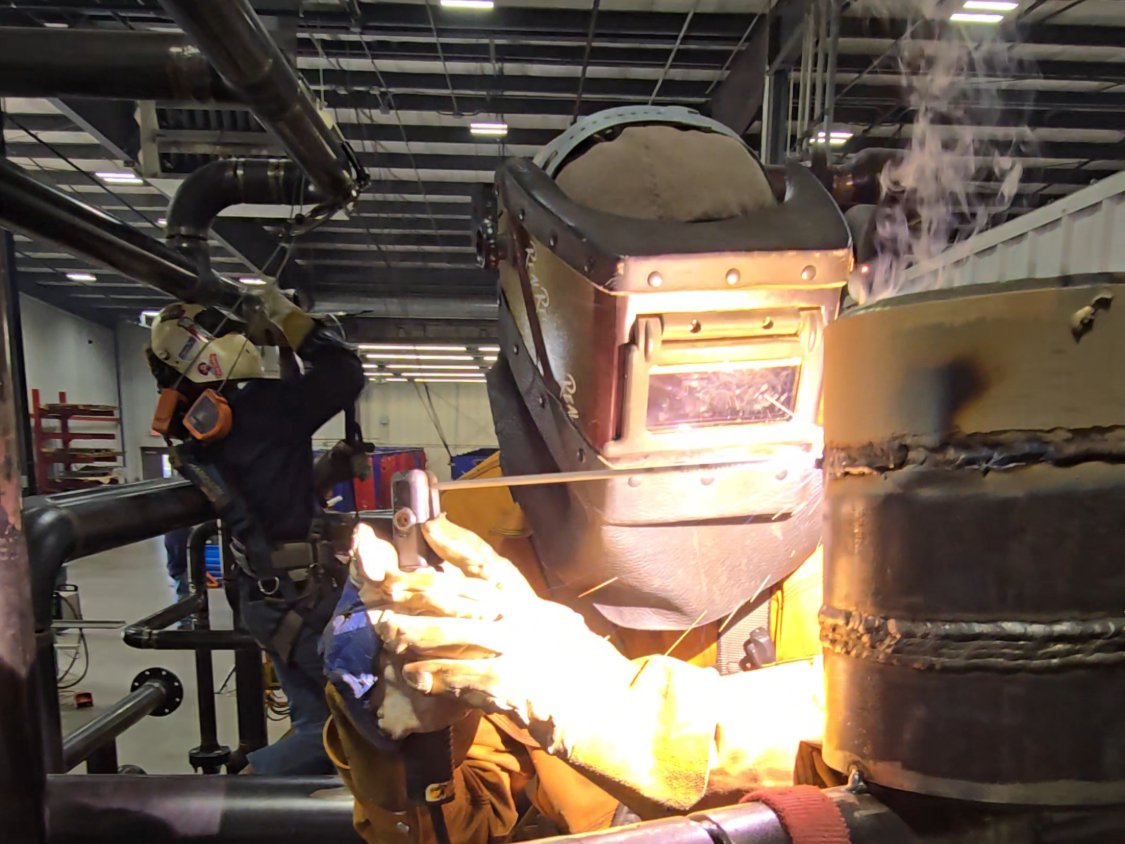
The willingness to travel is also a major factor. Pipeline projects move, and so do the welders on them. This lifestyle suits some people very well, but it is important to go in with honest expectations.
Earning Potential in Pipeline Welding
Pipeline welding is known for offering some of the highest pay in the welding industry, and that reputation is backed by data. According to the American Welding Society, entry-level pipeline welders may earn $40,000–$60,000 annually, while experienced or traveling pipeliners can earn $80,000–$120,000 or more. Overtime and per diem pay are common on large projects.
That said, compensation reflects the difficulty of the work. Higher pay comes with longer hours, travel demands, physically challenging environments, and the accountability that code-quality welding requires. Earning potential grows as experience and certifications increase, not simply with time on the job.
Starting Your Pipeline Welding Career at American Welding Academy
If pipeline welding interests you, the foundation starts with solid training. American Welding Academy (AWA) offers a 24-week Pipe Welding & Fitting Course designed specifically for students seeking careers in the pipe welding and fitting trades. The program covers the core certifications employers look for, including AWS D1.1 and ASME Section IX qualifications across multiple processes.
AWA's program is designed for students who are ready to travel and meet the demands of the trade. Students earn up to 7+ industry-recognized welding certifications before they graduate. Credentials at AWA are earned, not handed out. Every student must meet code standards to move forward.
Ready to take the first step toward a pipeline welding career? Visit www.awaweld.com or call American Welding Academy at (636) 800-9353 to learn more about enrollment and program details.
Frequently Asked Questions
Q: Do I need prior welding experience to enter a pipeline welding program?
A: No prior welding experience is typically required to enroll in a foundational pipe welding program. Training programs are designed to take you from beginner to code-qualified welder through structured, hands-on instruction.
Q: What is the difference between ASME Section IX and API 1104?
A: ASME Section IX focuses on qualifying welders and welding procedures across a broad range of industries, including refineries and power plants. API 1104 is specific to the oil and gas pipeline industry and governs field welding practices and acceptance standards. Many pipeline jobs require familiarity with both.
Q: Is pipeline welding a good fit if I don't want to travel?
A: Pipeline work, particularly cross-country projects, typically requires significant travel. If staying local is a priority, a fabrication or structural welding path may be a better fit. It's worth thinking honestly about your lifestyle preferences before choosing a specialty.
