


Pipe Welding Root Pass & Keyhole Control: Expert Techniques | American Welding Academy
If you want to level up pipe welding, the root pass is the skill that moves the needle fastest. It is the first layer that decides whether the joint becomes a clean, inspectable connection or a headache that shows up later as lack of fusion, leaks, or a failed test.
In this guide, we'll dive into what separates a master-level root pass from an acceptable one, explore the variables you can control, and reveal why every welder should master this foundation. Ready to transform your work? Let's get started.
Why the Root Pass Carries the Whole Joint
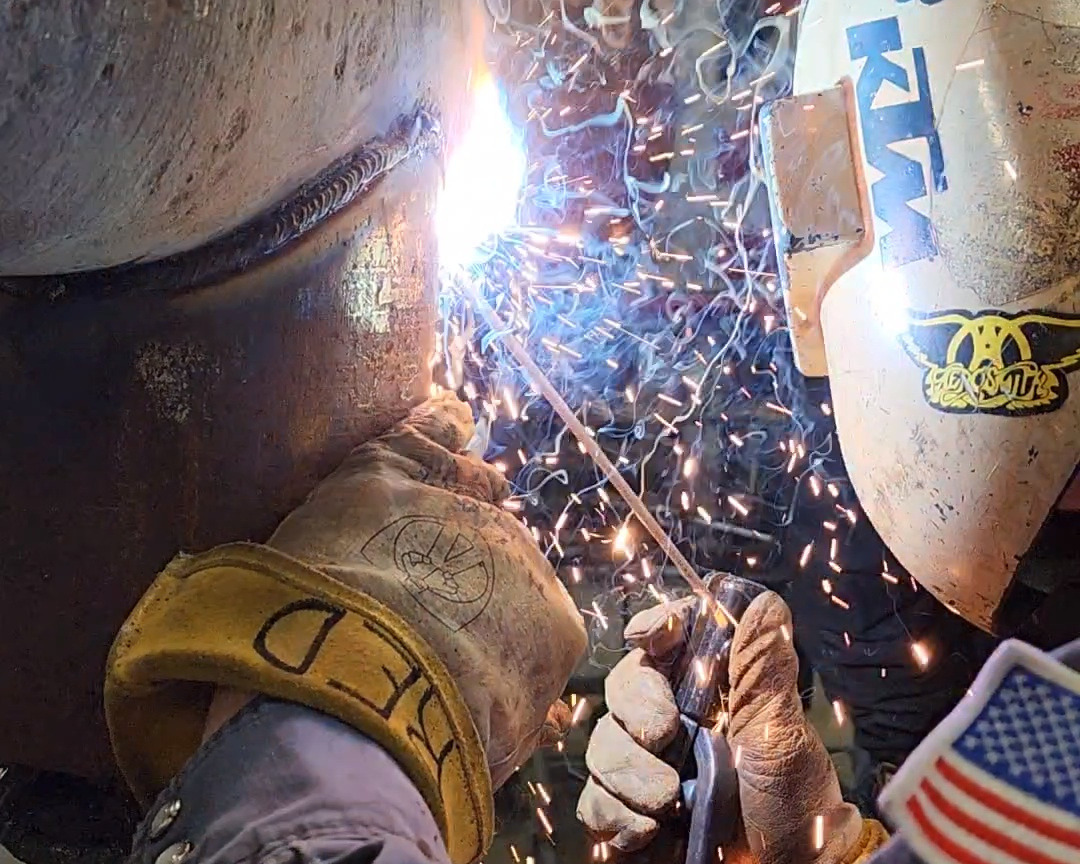
A root pass is the first pass placed to create the root bead. It should penetrate completely into the root of the joint. If that foundation is inconsistent, every fill and cap that follows is forced to cover up problems that cannot truly be hidden.
Many welding beginners focus on the cap because it is what everyone sees. But inspectors and experienced hands know the truth: the root is where failures start. Incomplete root fusion or incomplete root penetration are recognized weld imperfections. When the root cannot be directly inspected, detection may rely on radiography or ultrasonic testing.
Root Pass Basics in Pipe Welding
Think of the root pass as two jobs happening at the same time. One, fuse both sides of the land and bevel faces. Second, create a controlled inside bead that does not leave a notch, crater line, or internal undercut. Internal undercut on the root side is not acceptable and can lead to rejection if it is not corrected.
In many welding procedures, you will hear people talk about keyhole control, and that is accurate language. The hard part is balancing heat input, travel speed, and manipulation so the puddle stays open just enough to fuse through.
A few fundamentals drive most root pass success:
Fit-up consistency. Root opening, land thickness, bevel angle, and hi-lo (internal misalignment) set you up for success or force you into damage control.
Stable parameters. Arc length and current that match the joint prep are what prevent bridging at the root, where metal ties in visually but does not truly penetrate.
Cleanliness and prep. Contaminants create problems across the weld, and lack of fusion can also come from inadequate cleaning or poor technique.
Root Pass “Must-Hit” Checklist
Achieve complete fusion and penetration—your root pass must bite fully into the joint's root, with no shortcuts.
Eliminate internal undercut on the root side without exception. This is non-negotiable.
Plan a hot pass for multi-pass joints to remove face-side undercut at the toes. Let that first intermediate pass do the cleanup work.
Control arc length like it's your secret weapon. Short arc length gives you the penetration control you need in arc welding.

Common Root Pass Failures (And What Usually Causes Them)
Incomplete root fusion — Your weld skips one side of the joint at the root, leaving a critical gap.
Incomplete root penetration — Both sides of the root stay unfused. Blame your parameters, arc length, or joint setup.
Lack of fusion overall — Molten metal won't bond with base material or previous passes. Hunt for insufficient heat, poor angle, bad joint geometry, or contaminants like oxides and slag.
The rework spiral — You gouge or grind back to sound metal and re-weld to the original procedure. Repeat this cycle and you'll burn through time and patience.
A Realistic Practice Plan That Builds Confidence
Root passes improve when practice is structured, not when you simply “burn rod” and hope it clicks. Start with repeatable coupons, measure your gap and land every time, and write down the settings that produced the best inside bead so you can repeat them.
Next, practice in short sections around the pipe instead of trying to run a full 360 right away. That approach helps you learn what changing body position does to your arc length, torch angle, and travel speed, which are the small things that decide whether the keyhole stays consistent.
Finally, add one variable at a time. Change position first (2G to 5G to 6G), then change process (SMAW root, GTAW root, combo), then change material (carbon to stainless), instead of changing everything at once.
Where Training Fits
A good education and skills program will not promise instant mastery, because root passes demand repetition, coaching, and honest feedback. If you want structured time on open-root joints, the American Welding Academy offers a Professional Pipe Welding & Fitting Course.
If your goal is employable fundamentals first, AWA also frames its training as career readiness, where students can earn industry-recognized certifications and receive employment assistance. For program questions, call (636) 800-9353, reach out online, or visit our website: https://awaweld.com/.
