


Pipe Welding vs. Structural Welding: Key Differences and Skill Requirements
If you are exploring a welding career, you have probably come across two major paths: pipe welding and structural welding. Both are legitimate, in-demand trades. But they are not the same. Understanding the differences can help you choose the right direction before investing your time and money in training.
What Pipe Welding Actually Is
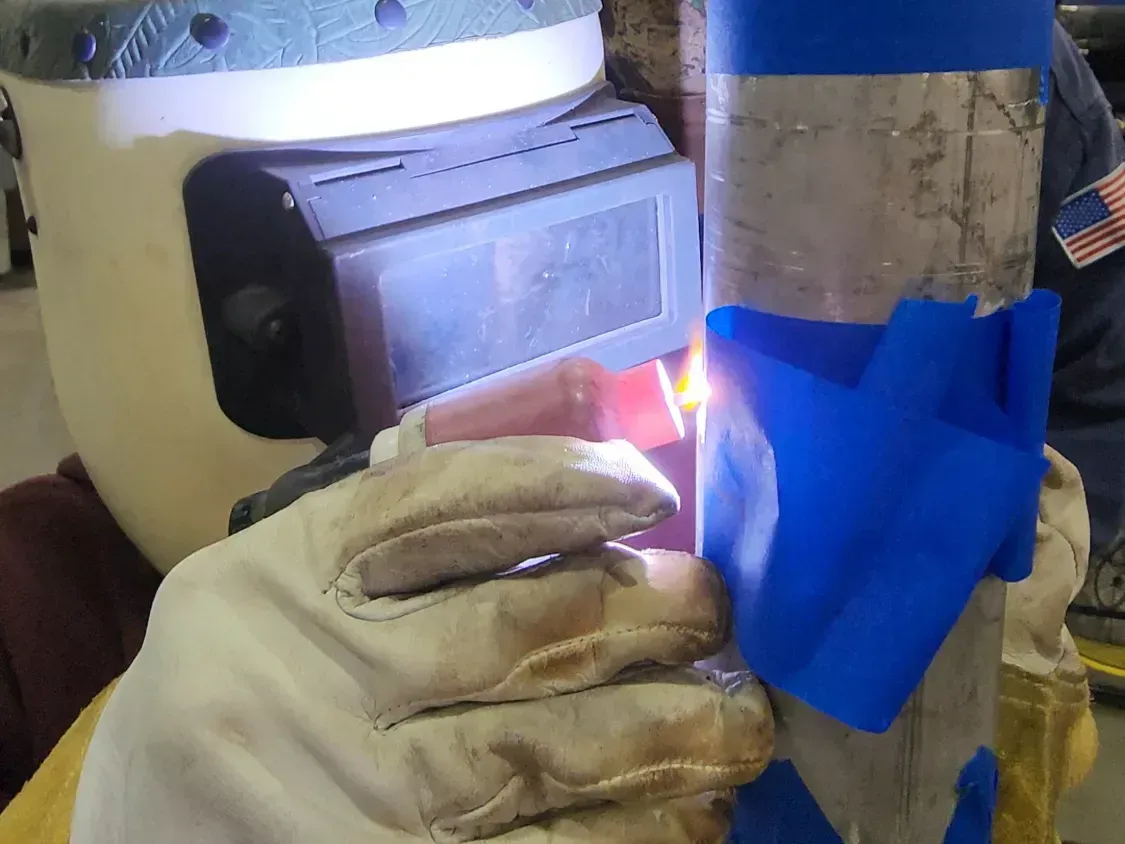
Pipe welding joins pipe sections used in high-pressure systems and industrial infrastructure. You will find pipe welders working on power plants, refineries, cross-country pipelines, and ethanol plants. The work demands tight tolerances and strict code compliance. Every weld has to hold up under pressure, heat, and sometimes hazardous materials.
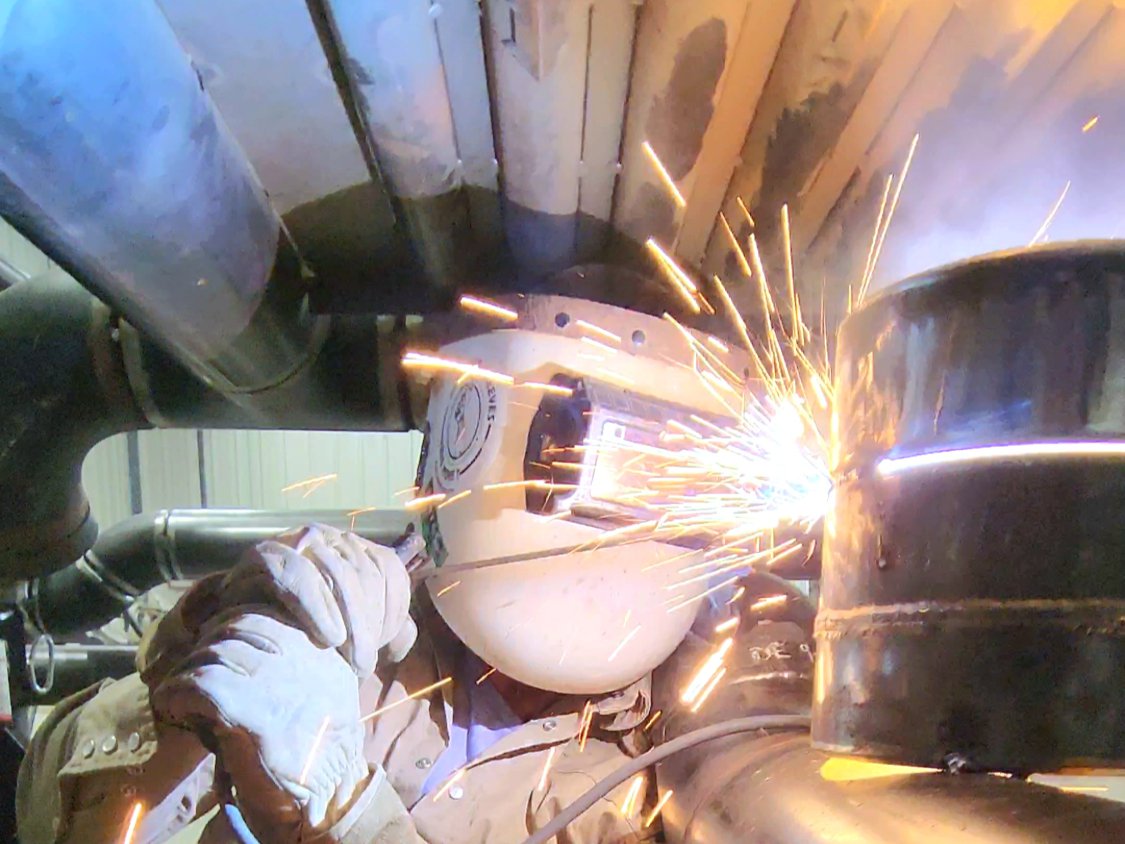
Structural welding, on the other hand, focuses on large-scale frameworks. Think buildings, bridges, steel frames, and heavy equipment. Both trades require skill and precision, but their applications and expectations differ.
Technical Differences That Matter
The biggest technical difference comes down to position and complexity. Pipe welding requires you to weld in multiple fixed positions, including:
1G (flat) and 2G (horizontal) for basic qualification
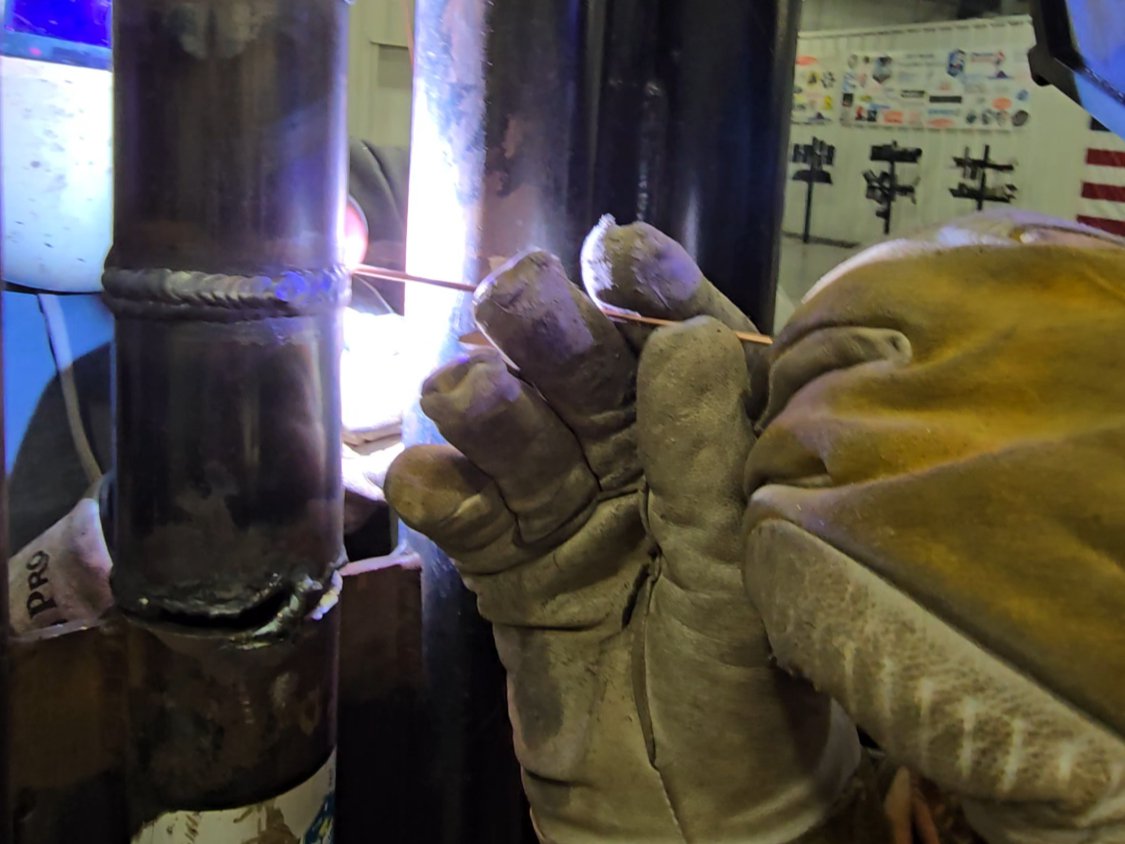
5G (fixed horizontal), where the pipe cannot be rotated
6G (fixed at 45 degrees), which is the most demanding and widely recognized position
Structural welding also involves multiple positions, but the joint configurations and access challenges are different. Pipe welding generally requires more intricate positioning and tighter control over heat input and travel speed. Structural work often uses higher-deposition processes such as FCAW (flux-cored arc welding), which are less common in pipework.
Certification Requirements for Pipe Welding Jobs
Certifications are not optional in either field. However, pipe welding jobs tend to carry stricter qualification standards.
Common governing standards for pipe welding include:
API 1104 for pipelines and related facilities
ASME B31.3 for process piping systems
Structural welding certifications fall under AWS D1.1, which governs structural steel welding. Each code sets specific test requirements. In pipe welding, you must demonstrate proficiency across multiple positions and weld types before you can qualify. Passing is not guaranteed. Every candidate must meet the code standard. There are no shortcuts.
Work Environment and Lifestyle Considerations
Where you work matters just as much as how you work. Pipe welders are often mobile workers. The job may take you to a refinery in one state and a power plant in another. That travel lifestyle suits some people and not others. If you are willing to go where the work is, pipe welding opens up more geographic opportunities.
Structural welders tend to work on-site construction projects, fabrication shops, and manufacturing plants. The work can be local or regional, which makes it more predictable in terms of schedule and location. Both environments come with physical demands. You will be on your feet, working in tight spaces, and exposed to heat and fumes regardless of which path you choose.
How American Welding Academy Can Help You Get Started
Choosing between these two paths is not something you should do without real information. At American Welding Academy (AWA), we want you to make a decision based on honest expectations, not hype.
Our Professional Pipe Welding & Fitting Course is a 24-week, 960-hour program. It is built around AWS and ASME requirements and prepares you for real-world pipe welding jobs. You can earn up to 7+ industry-recognized welding certifications upon completion. This program is designed for students willing to travel and to work in industries such as power generation, oil and gas, and industrial piping.awaweld+2
We also offer a 12-week Fabrication Welding & Fitting Course for those drawn toward structural and manufacturing work. Whatever you choose, you will earn your credentials. We do not mercy-pass anyone. You meet the standard, or you keep working until you do.
Ready to find the right path? Visit us at www.awaweld.com or call us directly at (636) 800-9353.
Frequently Asked Questions
Can a structural welder transition into pipe welding later in their career?
Yes, many welders start in structural work and later transition to pipe welding. Structural experience gives you a solid foundation in welding processes and blueprint reading. Pipe welding adds a layer of specialization that requires additional training and certification testing.
Is the 6G certification the gold standard for pipe welders?
The 6G position is widely recognized as one of the most comprehensive pipe welding qualifications. Passing a 6G test typically demonstrates that you can weld in all other positions as well. Many employers in industrial sectors specifically look for 6G-qualified welders.ptt
Do pipe welders need to recertify regularly?
Yes. Most welding certifications under codes such as ASME and API include a maintenance or continuity requirement. If you have not been welded to a specific process within a set time period, your certification may lapse. Staying active in your trade is the best way to keep your qualifications current.
