


The Forgotten Welders of WWII: Women in Welding History | American Welding Academy
When people picture America’s WWII home front, Rosie the Riveter usually comes to mind. Yet alongside that famous image were thousands of women who stepped into production welding and steel assembly, especially in maritime construction, and their names rarely made it into the popular memory.
Women entered industrial roles in huge numbers because the war created severe labor shortages. National leaders openly pushed campaigns to bring women into defense work. Many of these new hires were doing demanding, technical tasks for the first time. This includes welding and fabrication work tied directly to ship output.
Rosie the Riveter Was Not Alone
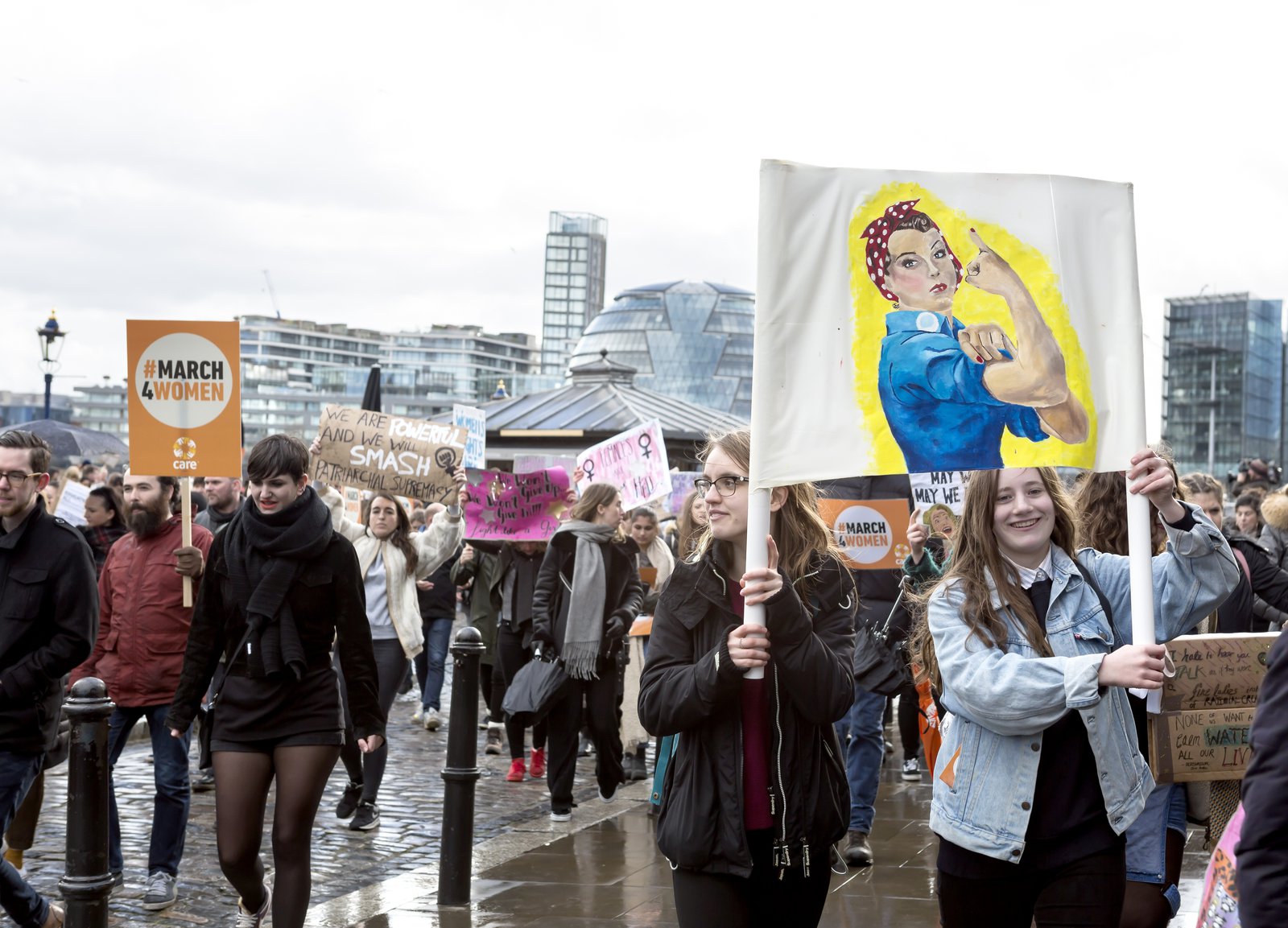
“Rosie the Riveter” became a symbol for women’s wartime labor on the home front. But the icon was never meant to describe just someone doing something specific, like a welding job, or one person. The character’s roots trace back to a 1942 song about a fictional Rosie. The imagery people recognize today grew later through posters and illustrations.
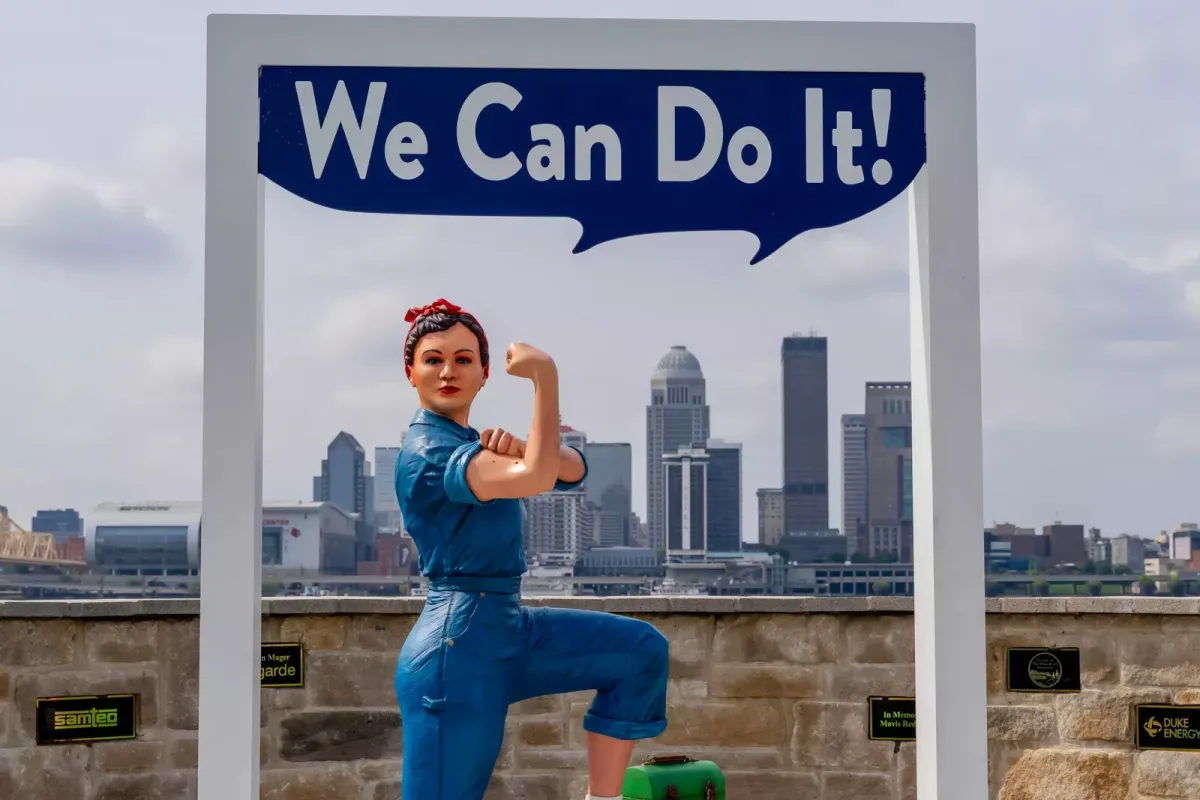
The “We Can Do It!” poster by J. Howard Miller was originally created for Westinghouse as wartime morale art and only became widely famous decades later.
"Rosies" were just one segment of a larger female wartime workforce.
Women were engaged in various roles across the defense industry and government.
Opportunities were unequal, as racism and segregation hindered access and advancement for many women of color.
The overall change significantly challenged existing beliefs about women's capability for skilled, technical labor under duress.
Wendy the Welder and the Dockside Arc
If Rosie stood for riveting, her lesser-known “sister” figure was often called Wendy the Welder. She was a stand-in for women who welded and fit steel plates for vessels ranging from supply ships to submarines and carriers. This kind of work was not symbolic or light duty: it required learning arc control, joint preparation, and disciplined repetition in an environment where mistakes had real consequences.
It was also hazardous. Museum historians note that welders needed dark UV-filtering protection to prevent “arc eye,” and many endured burns along with exposure to fumes and gases that could contain heavy metals with lasting health effects. Those realities are part of why these workers deserve to be remembered as professionals, not just posters.
Production Welding Changed the Pace of War
One reason these women mattered so much is that WWII ship construction increasingly leaned on speed-through-system methods. These were: standardized parts, coordinated crews, and repeatable processes that could be taught efficiently. The Smithsonian describes how Henry Kaiser helped drive production techniques that reduced build times for cargo ships, with Liberty ships dropping from around 45 days prewar to about a week once assembly-line style production was in place.
That “production welding” mindset was less about one heroic welder and more about a whole workflow:
Consistency in technique (same joint, fit-up, inspection mindset) was a form of patriotism.
This consistency allowed quality and throughput to coexist.
These welders demonstrated that disciplined technique, practiced at scale, could significantly improve the American industry's delivery capabilities under a tight deadline.
What Those Shipyard Skills Still Teach Us
Even if you never plan to build a ship, the lessons from those WWII welders still translate. Attention to procedure, comfort with protective gear, and respect for hazards are not “extra,” they are the work itself.
Their story also pushes back on the myth that trades are only about brute force. Technical work rewards patience, coordination, and steady improvement, especially when you are learning something new and the standard does not move just because you are tired. That mindset is a big part of what made wartime welders effective, and it is still what separates safe, reliable craft from sloppy output.
A Modern Path Into Welding Starts Here
If reading about Wendy the Welder makes you curious about learning the basics the right way, the American Welding Academy offers hands-on training designed to build real-world entry skills and job readiness. Our Professional Pipe Welding and Fitting course runs 24 weeks (960 hours), and the Fabrication Welding and Fitting course runs 12 weeks (480 hours). Depending on your chosen program, training includes processes like SMAW (stick), GMAW (MIG), FCAW (flux core), and GTAW (TIG).
If you want to see the shop and talk through which route fits your goals, we offer site tours Monday through Friday from 8:00 AM to 2:00 PM. Visit our website at www.awaweld.com or call us at (636)800-9353 for more info.
