


Structural Welding in Data Center Construction: AI Infrastructure | American Welding Academy
Every time someone runs an AI tool, a data center somewhere handles the heavy lifting. These massive facilities house the servers, power systems, and cooling infrastructure that keep artificial intelligence running around the clock. Building them requires a skilled workforce, and structural welding sits at the center of that demand.
How AI Is Redefining Data Center Requirements
AI workloads are unlike anything traditional data centers were designed to handle. Training a single large AI model can consume as much energy as 5,000 U.S. homes use in a year. That processing generates enormous heat, and facilities must now be built bigger, stronger, and far more thermally efficient than before.
Developers are planning hundreds of new facilities across the U.S. over the next few years. Each one needs more than software engineers. Each one needs skilled tradespeople who work with steel, pipe, and structural systems.
The Cooling Problem Driving Demand
Heat management is the central challenge in every AI-ready data center. High-density server racks can generate 40 to 50 kilowatts of heat each. Traditional air-cooling systems cannot keep up with that output.
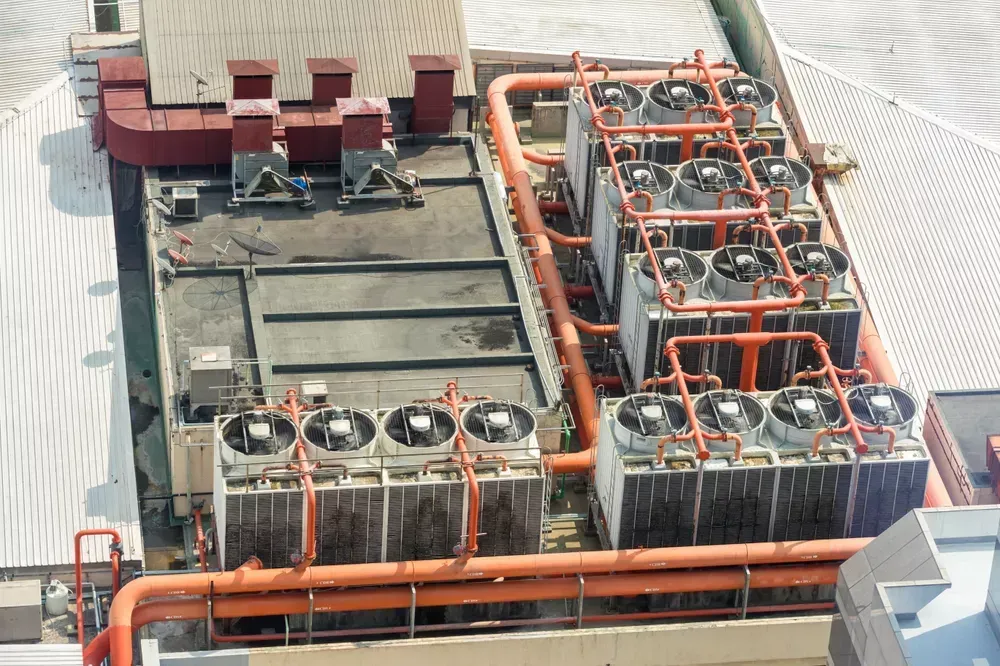
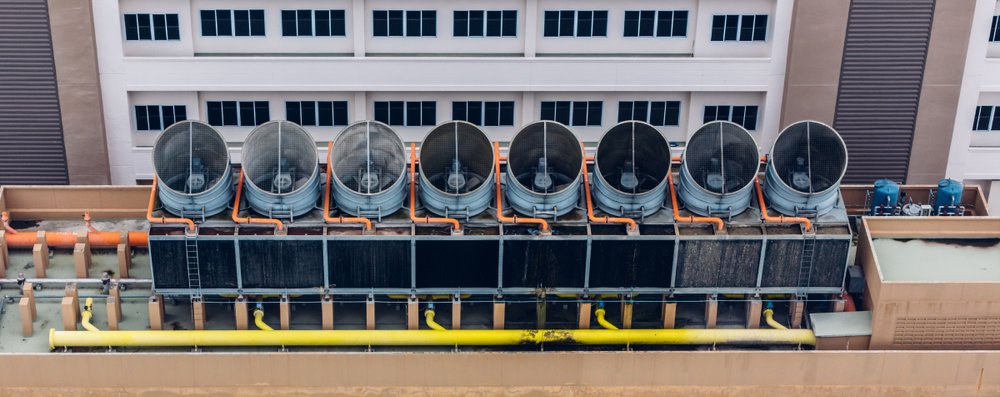
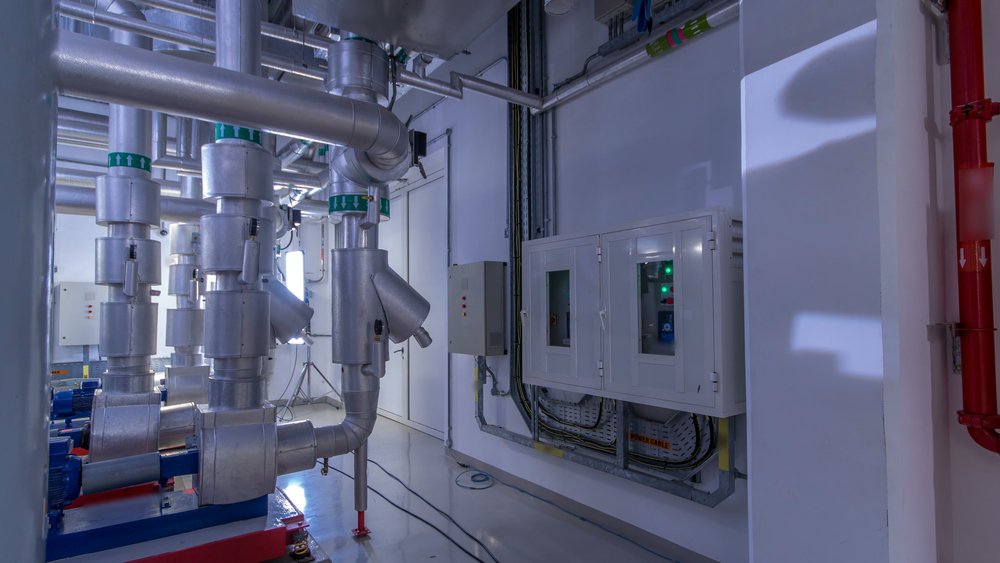
Liquid cooling has become the standard solution. These systems circulate chilled water through networks of precision-fabricated pipes that must withstand high pressure and rapid temperature swings. A single failed connection can compromise an entire facility's operations. That is exactly where structural welding becomes non-negotiable. Fabricating and installing these systems requires welders who understand code compliance and precise technique.
What Structural Welding for Data Center Infrastructure Entails
Data centers are large, complex structures. Steel frameworks must support server racks, cooling units, and mechanical systems built to exact specifications. Structural welding holds all of those systems together.
On a typical data center job site, welders and pipe fitters handle:
Steel support frameworks for server floors and mechanical rooms
Chilled water piping systems running through liquid cooling networks
HVAC support structures and equipment mounting frames
Modular prefabricated sections assembled on-site to reduce build time
Custom mechanical skids designed to carry heavy cooling equipment
Every weld must meet code. A failed connection or pipe leak can damage millions of dollars in equipment and shut down operations.
The Labor Gap
The data center construction boom is running into a serious workforce shortage. The U.S. construction sector needs nearly 500,000 new workers in 2026 alone. Data center projects face a particularly sharp deficit of skilled tradespeople.
Pipe fitters and structural welding professionals rank among the most sought-after workers on these job sites. Demand for these skills far exceeds the available workforce in most markets right now.
The workers who get hired share a consistent profile:
Solid foundational training in welding or pipe fitting
The ability to read and interpret technical drawings
Code-compliant welds that hold up under inspection
A professional attitude and reliability employers can count on
Readiness to work in fast-paced, high-pressure environments
Companies are not looking for just anyone. They are looking for trained, dependable tradespeople who contribute from day one.
Building a Career in Data Center Construction
No one walks onto a critical infrastructure project without demonstrated ability. Welders who reach these job sites have already put in the time to build real skills. Understanding different welding processes, maintaining tight tolerances, and producing welds that pass inspection are what make a candidate competitive. Specialization and high-value project work come after those fundamentals are solid.
The American Welding Academy offers hands-on training in pipe welding, fabrication, and fitting, which are the skills data center construction projects demand. Students work to real industry code standards.
AWA also prepares students for the professional side of the trade. Showing up prepared, communicating clearly, and meeting job site expectations are qualities employers notice immediately. Companies that have hired AWA graduates point to their technical skills and work ethic as reasons to hire from AWA again and again.
If you are ready to build a career that lasts, visit awaweld.com or call (636) 800-9353 to learn about available programs and enrollment.
