



TIG Welding 4130 Chromoly vs. 6061-T6 Aluminum in Motorsport and Chassis Fabrication
In motorsport and chassis fabrication, precision is not just an aesthetic goal; it is a structural necessity. Mastered through hands-on practice, TIG welding gives fabricators the precise heat control and puddle visibility needed to construct safe, race-ready assemblies.
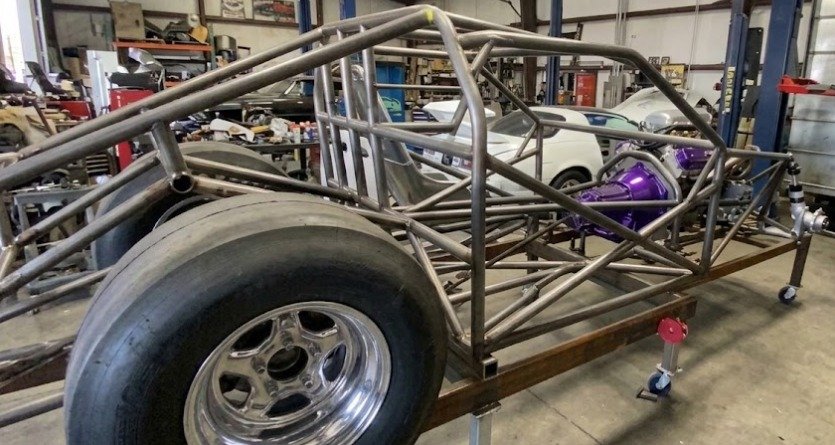
Two materials dominate the discussion in the pit lane and the fabrication shop: 4130 chromoly steel and 6061-T6 aluminum. While both offer exceptional strength-to-weight advantages over mild steel, their metallurgy and thermal characteristics under an arc could not be more different. Understanding how these materials react to localized heat is what separates a structural joint from a potential failure point on the track.
Why TIG Welding Is the Standard for Chassis Work
Motorsport tubing often features thin wall profiles, frequently measuring between 0.083 and 0.120 inches. On materials this thin, burn-through and excessive heat input are constant risks.
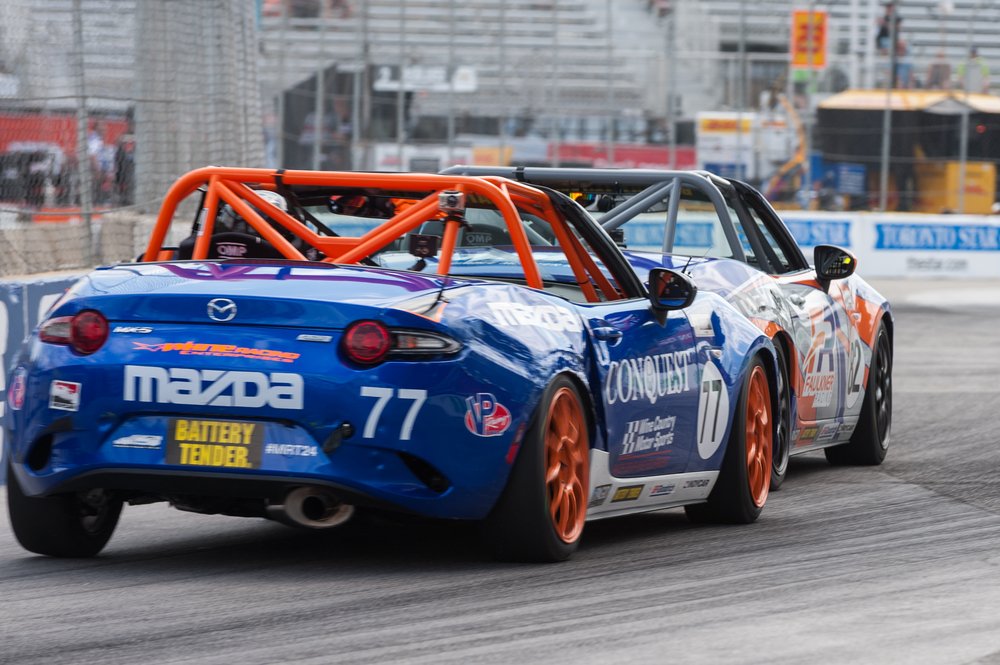
Unlike consumable-electrode processes, TIG welding separates the heat source from the addition of filler metal. The welder controls the amperage independently using a foot pedal while manually feeding filler rod into the puddle. This fine-grained control allows for minute adjustments to heat input based on puddle behavior, joint thickness, and position.
Furthermore, technical inspectors at sanctioning bodies visually evaluate structural welds. A clean, uniform bead demonstrates proper penetration and heat management, whereas defects like undercut, porosity, or cold lap can fail a tech inspection before a vehicle ever reaches the track.
Working With 4130 Chromoly: Metallurgy and Cooling Control
Chromoly is a low-alloy steel enriched with chromium and molybdenum, offering high tensile strength without adding unnecessary weight. However, these alloying elements make the material air-hardening. If the heat-affected zone cools too rapidly, brittle martensite can form within the grain structure, making the joint prone to cracking under impact or vibration.
Filler metal selection plays a critical role in mitigating brittle joints. Many experienced fabricators select ER70S-2 filler rod when joining thin-wall chromoly tubing. This mild steel filler dilutes the alloy composition in the weld puddle, resulting in a ductile weld that yields under stress rather than snapping. While higher-strength fillers like ER80S-D2 are available, they demand tighter process control and leave less margin for error.
Key practices for maintaining structural integrity in 4130 chromoly include:
Maintaining low heat input and a consistent travel speed to minimize the heat-affected zone.
Shielding completed welds from cold shop drafts, allowing the joint to cool slowly in ambient air.
Avoiding rapid cooling methods, such as quenching hot metal with water or compressed air.
Using short, controlled tack welds to hold alignment without creating localized stress risers.
While full post-weld stress relief in a heat-treating oven is ideal, it is rarely practical for a complete chassis. Practicing controlled heat management during the welding process remains the primary defense against embrittlement.
TIG Welding 6061-T6 Aluminum: Managing Thermal Conductivity and Temper
Welding aluminum requires an entirely different approach. Because aluminum rapidly forms a tough oxide layer on its surface, TIG welding machines must be set to alternating current (AC). The DCEP (direct current electrode positive) half of the AC cycle breaks up the oxide layer, while the DCEN (direct current electrode negative) half provides the penetration needed to fuse the base metal.
Aluminum acts as a powerful heat sink, pulling thermal energy away from the joint much faster than steel. This property requires an initial pulse of high amperage to establish a puddle, followed by a steady reduction in power via the foot pedal as the workpiece heats up.
The primary challenge with 6061-T6 aluminum is heat management relative to its temper. The "T6" designation indicates that the alloy has been solution heat-treated and artificially aged to achieve high yield strength. Applying an arc locally destroys this temper, causing the heat-affected zone to revert toward a softer state.
While post-weld artificial aging can recover some structural strength, fabricators must account for this strength reduction when designing non-cage components like fluid tanks, brackets, and suspension mounts.
Essential habits for successful aluminum joints include:
Cleaning the base metal with a dedicated stainless steel wire brush and solvent wipe to remove oxides and oils.
Selecting appropriate filler metal, such as ER4043 for fluidity or ER5356 for higher shear strength and anodizing matching.
Tapering off the foot pedal gradually at the termination of the weld to fill the crater and prevent crater cracking.
Fit-Up Tolerances and Joint Preparation
Precision fit-up directly affects weld quality regardless of the material chosen. Wide joint gaps require additional filler metal, which increases heat input, widens the heat-affected zone, and increases the likelihood of distortion. Coped tubing joints should fit flush with minimal light visible through the seam, ideally keeping gaps under 1/32 of an inch.
Proper joint preparation involves several disciplined steps:
Deburring the inside and outside edges of cut tubing to prevent contamination in the puddle.
Verifying overall frame alignment with precision layout tools after placing tacks, rather than after completing final passes.
Securing components in rigid fixturing to control heat-induced pulling during cooling.
Grinding out any cracked or contaminated tack welds completely before resuming the pass.
Building Your Foundation in Welding
Understanding material properties, joint preparation, and arc control is essential for anyone interested in metal fabrication. Specialty applications like motorsport chassis work demand rigorous discipline, but that discipline begins with a solid foundation in core welding processes.
Before diving into complex, specialized fabrication, every fabricator must master fundamental arc control, puddle manipulation, safety practices, and machine setup. The American Welding Academy provides comprehensive, hands-on training programs designed to establish these crucial base welding skills.
By mastering essential processes, proper joint preparation, blueprint reading, and safety practices under experienced instructors, you gain the practical grounding required to launch a long-term career in the welding industry.
Whether your goal is to work in general fabrication, structural welding, or industrial manufacturing, gaining confident control over the puddle is the first step. Contact us online or call (636) 800-9353 to speak to an admissions advisor and start building your future in the trade today.
