


Welding Apprenticeships: The Earn-While-You-Learn Model | American Welding Academy
If you want a career in welding, two main paths can get you there: trade school and apprenticeship. Smart candidates often use both. A trade school program builds your technical foundation, and an apprenticeship puts that foundation to work in the real world, paying you from day one. Understanding how these two paths fit together helps you make a smarter decision about your time, your money, and your future.
What a Welding Apprenticeship Entails
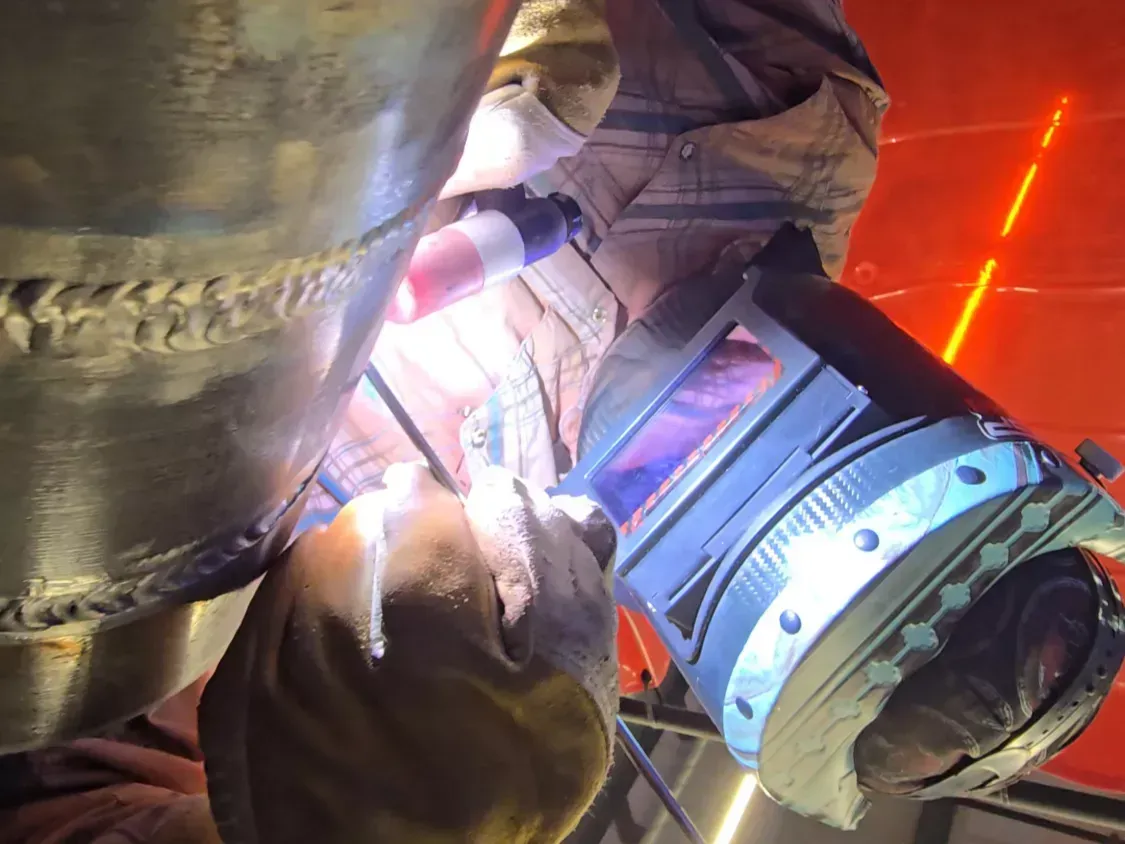
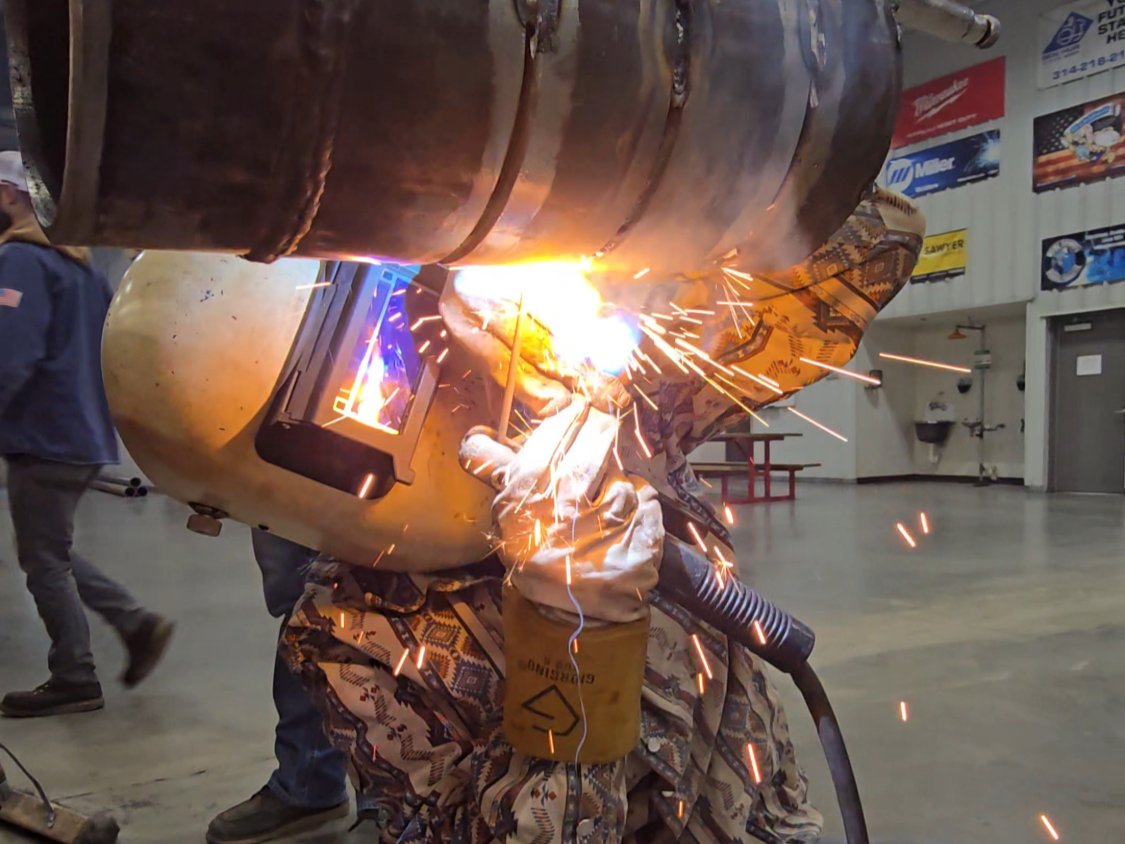
A welding apprenticeship is a formal, structured training program that combines on-the-job experience with technical instruction. You work under experienced welders in real job environments while also completing classroom or lab hours.
Most programs run between one and five years, depending on the specialty. Hands-on work makes up the majority of hours. Many apprenticeships are registered with the U.S. Department of Labor, which sets specific standards for safety, instruction, and skill development. Completing a registered program earns you a nationally recognized credential.
How the Earn-While-You-Learn Model Works
The biggest draw of an apprenticeship is straightforward: you get paid from day one. You are an employee, not just a student. Your wages increase as you hit training milestones:
You start at a percentage of a journeyworker's rate
Each milestone you complete bumps that percentage higher
Program completion puts you at the full journeyworker wage
The model rewards commitment. The more you develop your skills, the more you earn.
Industries and Sponsors That Drive Apprenticeships
Apprenticeships rely on partnerships between training programs, labor unions, and employers. Industries that actively offer welding apprenticeships include:
Structural steel fabrication and construction
Shipbuilding and repair
Pipeline construction and maintenance
Manufacturing and industrial maintenance
Some apprenticeships run through union programs affiliated with organizations like the United Association or the International Brotherhood of Boilermakers. Others operate outside union structures through direct employer sponsorship. Both routes lead to solid careers, though benefits and wage structures differ.
Finding a sponsor takes effort. Networking, direct applications, and workforce development offices are all useful starting points. Competition for spots is real. Showing up with foundational welding skills already in place gives you a clear advantage.
Building Your Foundation Before You Apply
Many successful welders complete a trade school program before pursuing an apprenticeship. This is a sound strategy. Apprenticeship programs want applicants who already understand basic welding processes, safety protocols, and blueprint reading. Prior training signals that you are serious and ready to contribute from the start.
Funding a trade school program is a common concern. Several options are worth exploring:
Federal financial aid
State and local workforce development grants and scholarships
Employer tuition assistance programs
**GI Bill® coverage for veterans at approved trade schools
Veterans in particular have strong options in the skilled trades. Welding is a portable, in-demand skill that transfers across industries and holds its value.
Why AWA Is the Right First Step
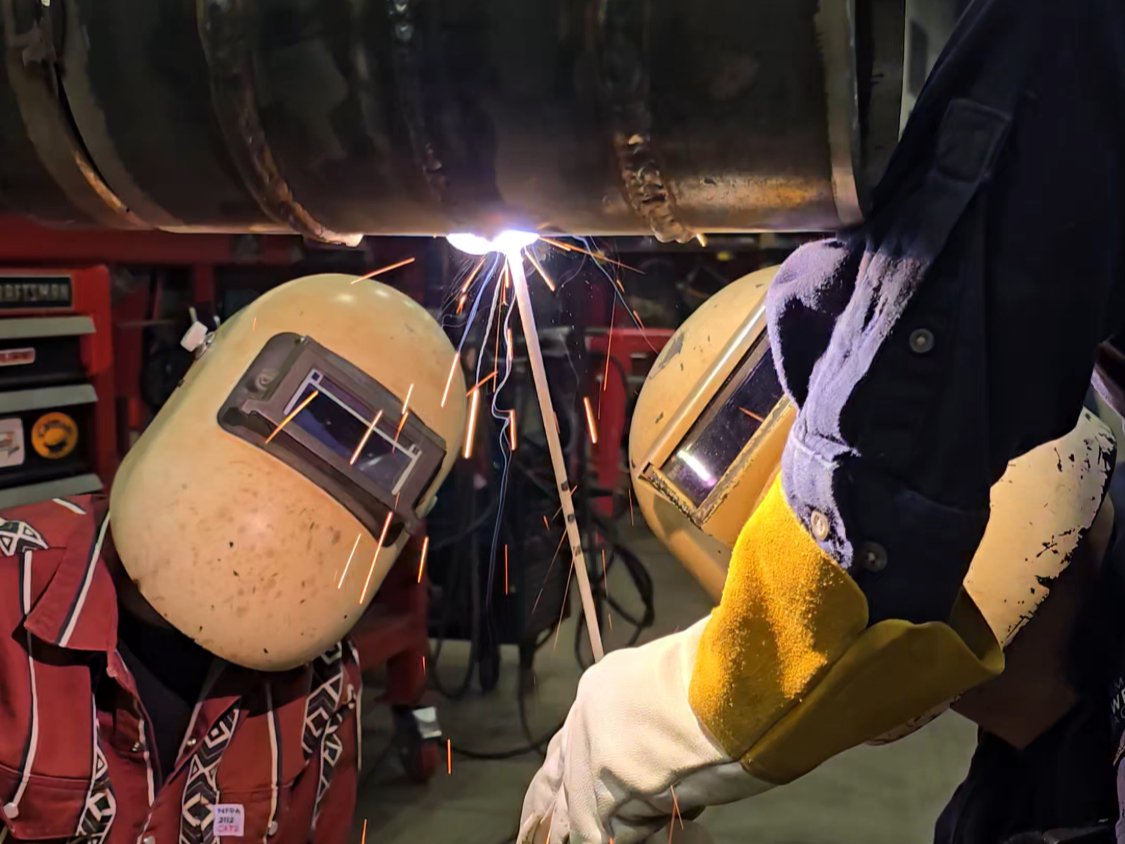
The American Welding Academy trains welders to meet actual industry code standards. Every student who graduates has proven their skills, not just attended class. That distinction matters to employers and apprenticeship programs alike.
AWA also serves veterans. If you plan to use GI Bill® benefits or other veteran education programs, AWA can walk you through your options.
Whether you are a high school graduate, a career changer, or a veteran looking for a new direction, starting with a legitimate trade school credential puts you ahead of the competition when apprenticeship opportunities open up.
Visit AWA's website atawaweld.com or call (636) 800-9353 to learn more about how our trade school programs can help you take the first step.
FAQ
What is trade school?
Trade school is a type of post-secondary education focused on teaching specific vocational or technical skills. Unlike a four-year college, trade school programs are typically shorter and more hands-on. They prepare students for careers in skilled trades like welding, plumbing, electrical work, and more.
How much is trade school?
The cost of trade school varies depending on the program, location, and length of training. Programs can range from a few thousand dollars to over twenty thousand dollars. Financial aid, scholarships, and veteran education benefits like the GI Bill® may help offset costs. It's best to contact a specific school directly to get accurate tuition information.
Can I do an apprenticeship without going to trade school first?
Yes, some apprenticeship programs accept applicants with no prior formal training. However, having foundational skills from a trade school program often makes you a stronger candidate. Many applicants find that prior training helps them move through the early stages of an apprenticeship more confidently.
**GI Bill® is a registered trademark of the U.S. Department of Veterans Affairs(VA). More information about education benefits offered by VA is available at the official U.S. Government website at http://www.benefits.va.gov/gibill
