



The Mental Game of Welding Careers: Focus & Problem-Solving | American Welding Academy
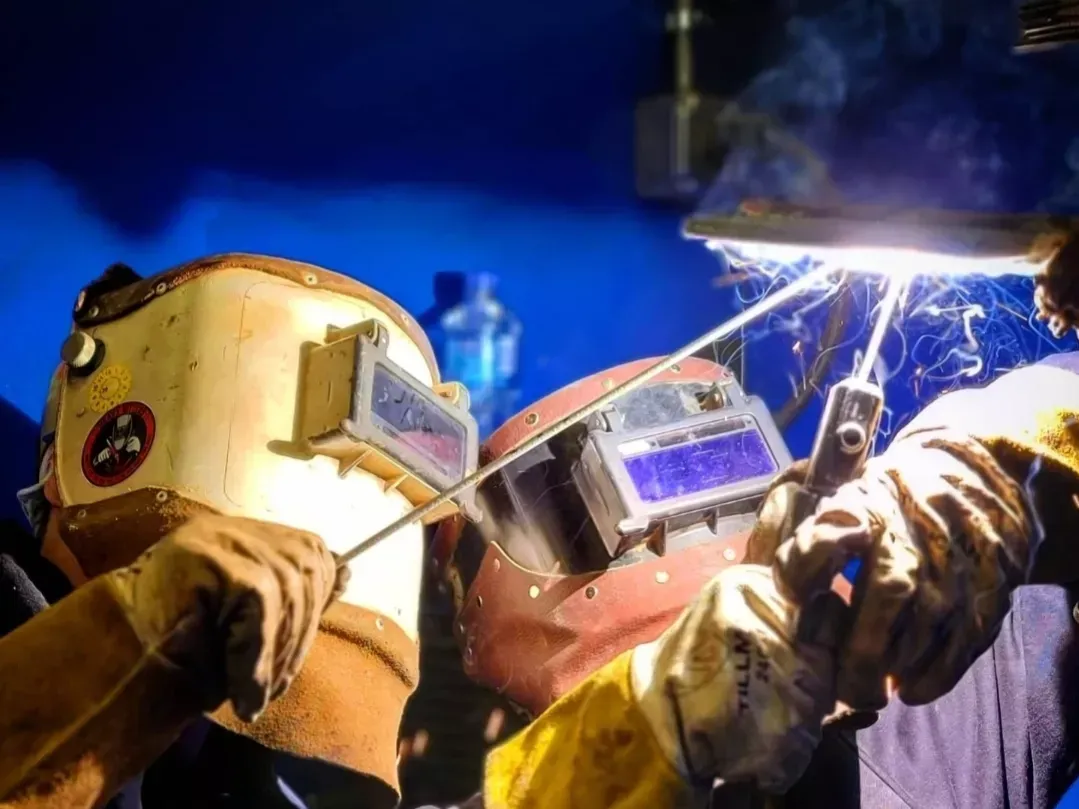
When most people think of welding careers, they picture the blinding arc of light, the shower of sparks, and the heavy industrial machinery required to fuse metal. It is a field defined by its physical grit, yet the true mastery of the craft happens behind the visor, in the quiet discipline of the mind. Success in this industry requires far more than just steady hands; it demands a psychological fortitude that allows a professional to maintain absolute precision in environments that are often loud, hot, and unforgiving.
Why Welding Careers Are a Mental Sport
It is easy to view welding skill as “just” technique, yet real job sites reward mental control as much as torch control. The work can include noise, heat, awkward positions, tight tolerances, and an audience, like a lead person watching a fit-up or a coworker waiting on your part. When your brain is scattered, your body follows.
The psychological side matters because welding is a chain of small decisions. You decide when to stop and clean, when to re-check a measurement, when to change a setting, and when to ask for another set of eyes. Great welders are not perfect, they are consistent, and consistency is a mindset skill.
Focus: Controlling Attention in Noisy Environments
Focus in welding careers is less about trying harder and more about narrowing your target. You do not need to think about everything at once. You need to think about the next right thing, such as travel speed, arc length, torch angle, puddle shape, or how the joint is reacting to heat.
A practical approach is to use a short pre-weld routine that turns your brain from “busy life” into work mode. That routine can be as simple as checking your PPE, confirming material prep, setting your stance, and taking one slow breath before striking an arc. You are building a trigger that tells your attention where to go.
Common signs your attention is slipping:
Rushing steps you normally do, like skipping cleaning or forgetting a quick tack check.
Chasing the puddle instead of leading it, then over-correcting.
Getting irritated at small interruptions, then making avoidable mistakes.
Losing track of time and realizing you have not re-checked fit-up, settings, or consumables.
Patience in Welding Careers: Letting the Process Do Its Job
Patience is not passive. It is the ability to stick with quality steps even when you want to “get it done.” Many weld defects come from impatience disguised as confidence, like welding over contamination, forcing a fit, ignoring distortion, or refusing to stop when something looks off.
A calm welder understands that a good result often comes from unglamorous actions. Cleaning, joint prep, positioning, and controlled heat input can feel slow, yet they protect you from rework. Patience is also how you build repeatability, because you are not reinventing your approach every time stress shows up.
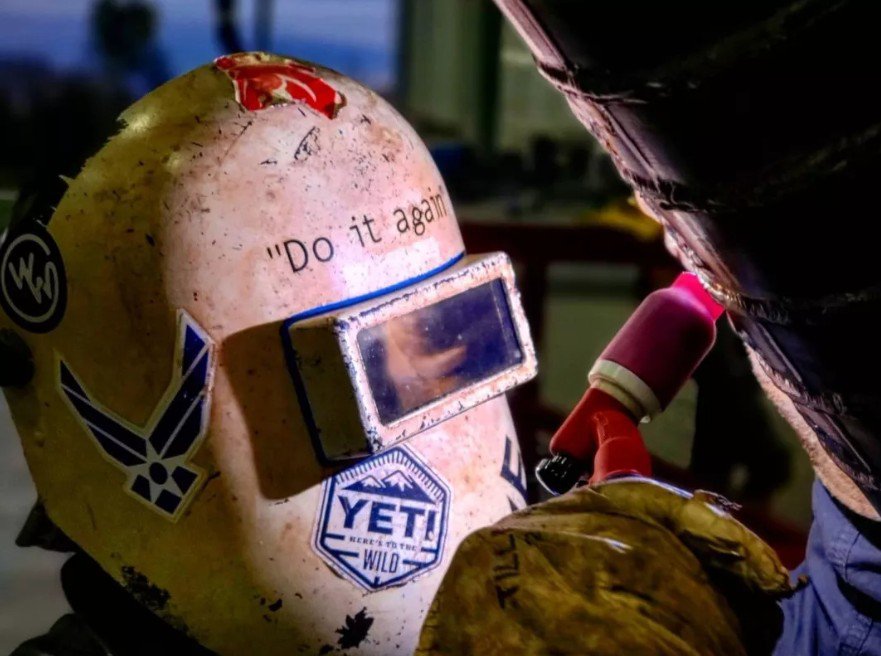
If you are new, patience also means accepting the learning curve without self-attacking. Skill grows through repetition and feedback, not through one heroic day in the booth. Aim for steady improvement, and keep your expectations realistic: some days the goal is simply fewer mistakes, cleaner starts, or better consistency.
Problem-Solving Under Pressure: A Repeatable Method
Pressure hits when time is short, the part does not fit, or the weld is not behaving. In that moment, the best welders do not panic or guess. They use a method.
Here is a simple loop you can practice until it becomes automatic:
Pause and make it safe. Stop, breathe, and reset your position before you touch settings.
Name the problem. It can be porosity, undercut, lack of fusion, distortion, arc instability, poor tie-in, or mismatch.
Check the basics first. Prep cleanliness, gas coverage, consumables, polarity, amperage/voltage, wire feed, and your angle and distance.
Adjust one variable. Change one thing, test briefly, then evaluate the result.
Ask early, not late. A quick question to an instructor, supervisor, or experienced welder can save hours of grinding and rework.
A big part of pressure-proof thinking is ego control. Pride can make you hide a problem until it becomes expensive. Professionalism is the opposite: you catch it early, own it, and fix it while it is still manageable.
Train the Skill Set, Not Just the Bead
Mental skills get stronger the same way welding skills do: coaching, reps, and honest standards. The right training environment should give you structure, close instructor contact, and clear expectations about what “meets code” actually looks like.
If you want a place that takes both craft and character seriously, American Welding Academy offers hands-on programs like Pipe Welding and Fitting, and Fabrication Welding and Fitting, built around job preparation and industry certification readiness.
If you are ready to build the foundation for a fulfilling career in the trade, visit https://awaweld.com or call us at (636) 649-4179 to explore your options.
