


Remote Welding Inspection and Quality Control: New Work-From-Home Opportunities
For decades, welding inspection was strictly a hands-on, on-site profession requiring inspectors to climb scaffolding, navigate confined spaces, and endure the same harsh shop environments as the fabricators. Today, however, the rapid adoption of cloud-based welding management software, high-resolution remote visual inspection (RVI) tools, and AI-powered quality monitoring has fundamentally changed how structural integrity is verified. These digital advancements allow quality assurance teams and Certified Welding Inspectors (CWIs) to monitor live arc-on times, analyze precise heat inputs, and ensure strict code compliance, all from the safety and comfort of a home office.
As global manufacturing relies more heavily on connected, real-time data, this shift is creating work-from-home opportunities for seasoned tradespeople. For experienced fabricators and inspectors looking to step away from the physical toll of the field, remote quality control offers a sustainable, highly specialized career path that perfectly bridges traditional metallurgical expertise with modern technology.
Understanding Remote Welding Inspection
Remote welding inspection never means simply guessing from a laptop screen. Technicians carefully review photos, videos, technical reports, precise measurements, and digital records from active jobsites. Remote inspectors sometimes guide field workers through live checks or component retests. In other cases, the inspector reviews data after the weld is completed.
This work often fits into hybrid schedules. You may spend part of the week in an office or home workspace. You may spend the rest on-site. That mix works best when the project has strong documentation and clear inspection steps. It also works best when the inspector already understands the process behind the weld.
A few tasks commonly appear in remote or hybrid quality roles:
Reviewing weld maps, reports, and job packets
Checking photo and video evidence for visible defects
Comparing work to code, procedure, and project requirements
Documenting findings clearly for supervisors or clients
The main idea is simple. Remote review supports quality control. It does not replace technical knowledge.
Skills That Support Welding Inspection Jobs
Experienced welders often have a strong base for inspection work. They already understand fit-up, joint prep, distortion, and how small errors can become larger problems. That background helps when judging whether a weld may need rework or closer review.
To move toward welding inspection jobs, you usually need more than shop experience. You need a careful eye, patience, and the ability to explain what you see. You also need comfort with paperwork. Inspection work depends on clear notes and honest reporting.
A strong candidate usually brings these strengths:
Good understanding of welding processes and defects
Comfort reading drawings, symbols, and basic code language
Strong communication with crews, supervisors, and clients
Discipline in recordkeeping and follow-through
It also helps to think beyond the weld itself. Inspection work is about trust. A good inspector stays consistent, avoids shortcuts, and speaks up when something does not meet requirements. That mindset is valuable in every welding career path.
Technology Behind Modern Welding Inspection
Technology is making remote inspection more practical. High-resolution cameras, live video calls, digital forms, and cloud storage now support faster reviews. These tools help teams share evidence right away. They also make it easier to track changes over time.
Digital tools do not remove the need for skill. They simply extend the inspector’s reach. A clear photo can help. A poor photo can hide a problem. A clean report can save time. A vague report can create confusion.
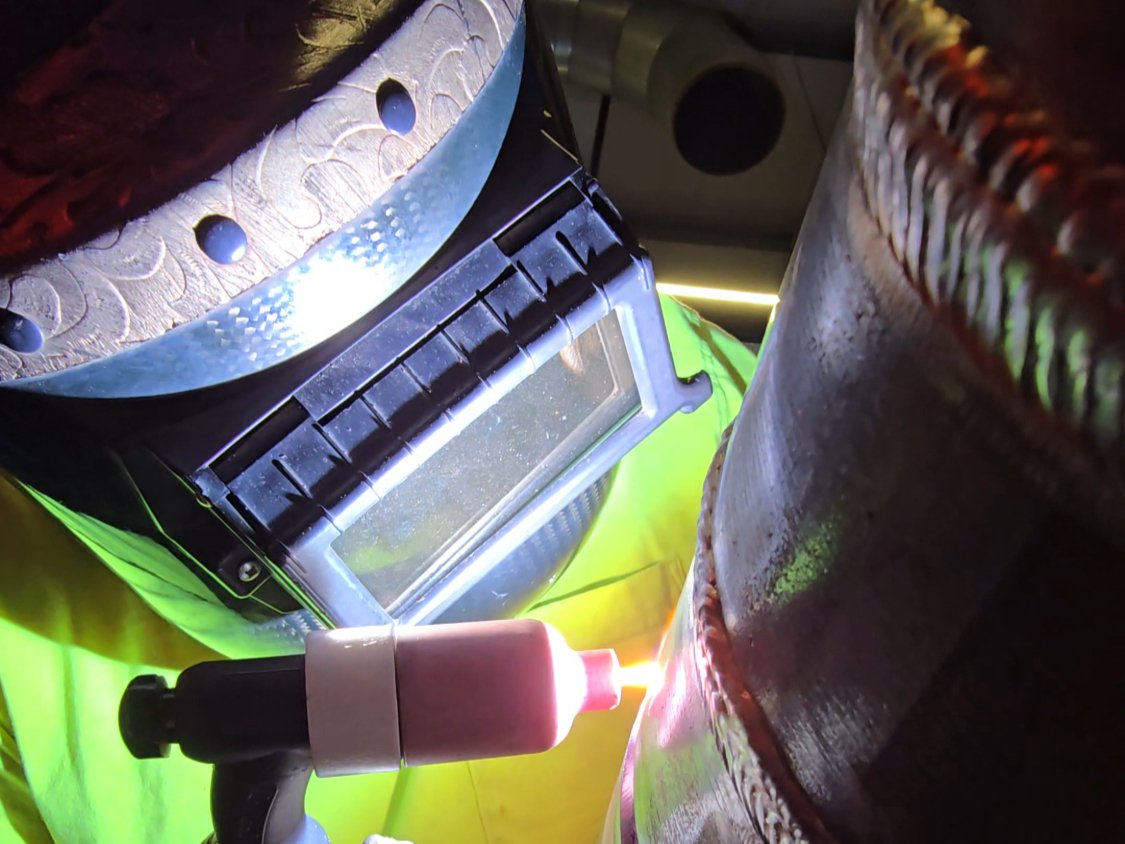
Here are a few tools that often appear in modern inspection workflows:
Tablets or laptops for report entry
Cameras or smartphones for weld documentation
Shared folders or quality platforms for file review
Video conferencing for live feedback and training
This is where experience really matters. A trained inspector knows what to look for before the file even opens. That experience turns technology into a useful tool instead of a noisy distraction.
Why Your Welding Career Is the Foundation
Here's an important truth: you can't inspect what you don't understand. Employers and certification bodies expect welding inspectors to have genuine field experience before stepping into a quality control role. The technical credibility you build as a welder directly informs your ability to catch defects others might miss.
A welding career path isn't linear. Many experienced welders move into inspection part-time while still working the floor, building their credential portfolio before making a full transition. Others pursue supervisory or coordinator roles that blend both hands-on oversight and quality management. Either way, your time in the booth is never wasted.
Starting With the Right Foundation
The welding career you want starts with solid, code-standard training. At the American Welding Academy, our programs are built around AWS and ASME standards, the same benchmarks welding inspectors are tested on. Whether you enroll in the 24-week Pipe Welding & Fitting Course or the 12-week Fabrication Welding & Fitting Course, you walk away with the hands-on foundation that advanced roles like inspection demand.
Ready to build the skills that open doors down the road? Visit www.awaweld.com or call American Welding Academy at (636) 800-9353 to learn more about enrollment and upcoming program start dates.
FAQ
Do remote welding inspection roles require full-time office work?
Not always. Many are hybrid. Some jobs mix office review with site visits, while others lean more heavily toward digital documentation.
Can a welder move into inspection without years of supervisory experience?
Yes, but the transition usually takes time. Employers often want solid field experience, strong technical judgment, and a record of dependable work.
Is remote inspection only for large projects?
No. Smaller shops can also use digital review tools, especially when customers need quick documentation or outside verification.
