


The Importance of Medical Screenings for Welders Preventive Healthcare
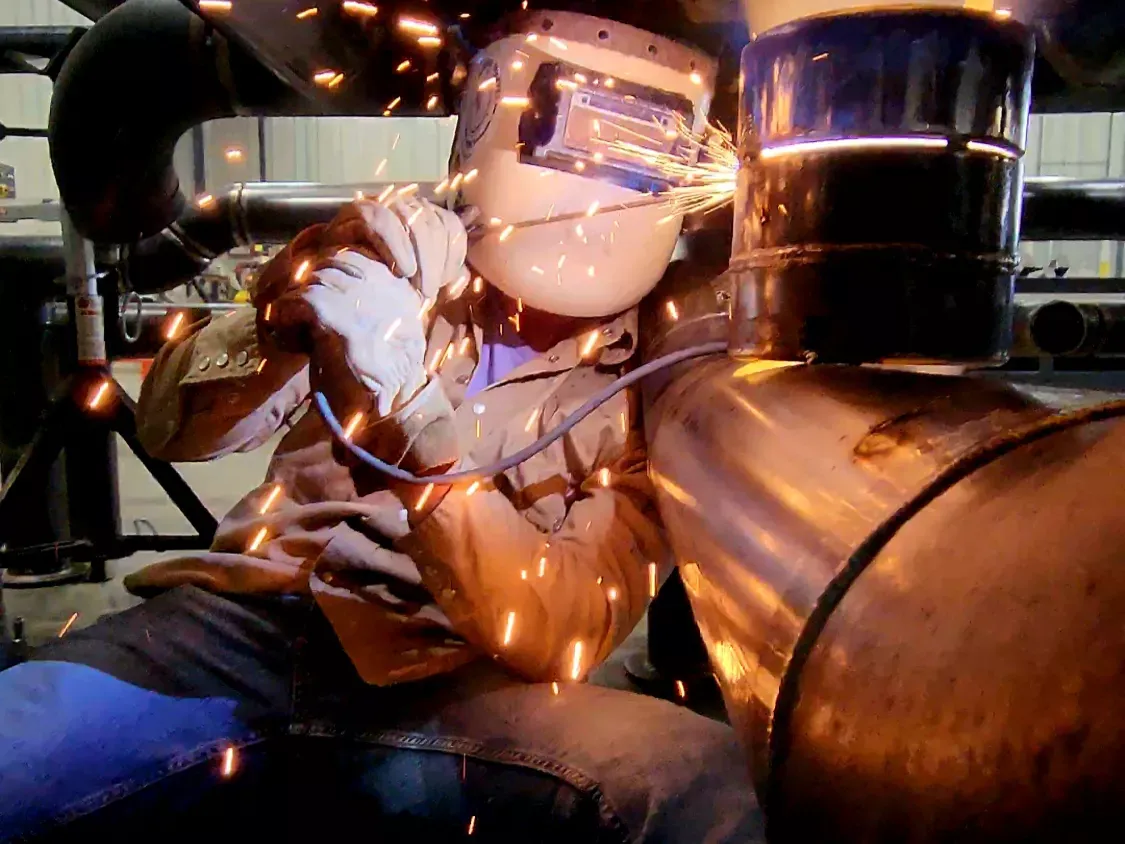
A welding job requires exceptional physical stamina, sharp focus, and technical precision, yet the everyday environments of this trade introduce unique long-term physical demands. Toxic metal fumes, intense ultraviolet radiation, high-decibel machinery, and repetitive manual strain can quietly affect a worker's body over time.
Many professionals prioritize honing their technical skill set while neglecting preventive care. Routine medical screenings offer a quick, cost-effective way to evaluate your physical baseline, identify hidden strain early, and safeguard your long-term earnings and health.
Core Physical Hazards of the Trade
The everyday duties of a welding job expose the body to occupational hazards that develop gradually without immediate pain or obvious warning signs:
Respiratory Strain. Inhaling airborne microscopic particulate and metal vapors (such as manganese, hexavalent chromium, and iron oxide) can cause cumulative damage to lung tissue.
Auditory and Visual Degradation. Constant exposure to high-decibel grinding tools and bright electric arcs leads to gradual hearing loss and chronic eye strain or flash burns.
Musculoskeletal Stress. Extended periods in awkward physical postures paired with repetitive joint motion place heavy demands on the spine, shoulders, and knees.
Dermatological Exposure. Radiant heat and stray hot sparks cause micro-burns, chronic skin irritation, and systemic cellular stress over time.
While personal protective equipment (PPE) forms your primary defense on the shop floor, routine health checks verify that your gear is providing adequate real-world protection.
Essential Medical Screenings for Every Welder
Proactive healthcare keeps you working safely in a demanding welding job. Request these specific evaluations during your regular physical examinations:
Spirometry and Pulmonary Function Tests. Measures airflow and lung volume to detect early airway inflammation or occupational asthma.
Audiometric Examinations. Tracks baseline hearing sensitivity across frequencies to identify early noise-induced hearing degradation.
Comprehensive Vision Screening. Assesses visual acuity, corneal damage, and eye strain to preserve the sight needed for precision beads.
Occupational Blood Panels. Monitors heavy metal biomarkers to ensure toxic fumes are not accumulating in your system.
Dermatological Inspections. Checks for thermal burns, unusual skin lesions, or severe contact dermatitis caused by shop exposure.
Building Lifelong Safety Practices
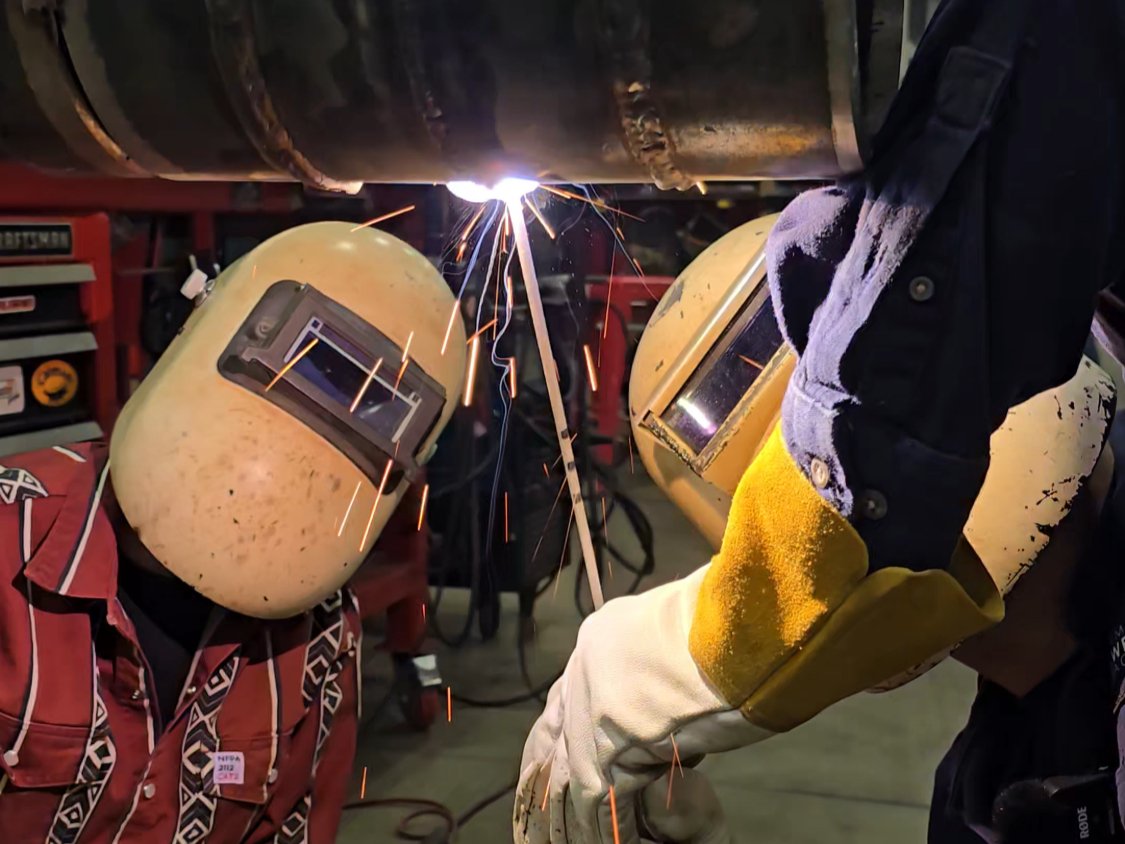
Developing a sustainable career starts long before your first professional welding job. Foundational habits established during initial training at institutions like The American Welding Academy set the standard for an entire career.
Fit-test and always wear the appropriate personal protective equipment (PPE).
Schedule mandatory annual physicals, lung tests, and vision exams.
Incorporate micro-breaks and targeted stretching to neutralize joint strain.
Ensure shop local exhaust ventilation systems remain fully operational before striking an arc.
Report persistent coughs, skin changes, or joint pain to a physician immediately.
Investing in your physical body protects both your well-being and your future earning power. At The American Welding Academy, our programs are designed to maximize hands-on practice with instructor feedback, emphasizing trade safety alongside core technical skills. Students don't just learn technique; they learn how to meet industry standards and carry themselves professionally on the job.
Trade school training through AWA is a practical, focused path to entering the welding industry with the skills employers actually look for. To learn more about programs, enrollment, and upcoming start dates, visit the website atwww.awaweld.com or call us directly at (636) 800-9353.
Frequently Asked Questions
How often should welders schedule health screenings?
Most experts suggest annual checkups for actively working welders. More frequent visits may be needed if symptoms appear.
Are medical screenings required by law for welders?
Requirements vary by employer and by state regulations. Some companies require screenings as part of their safety compliance programs.
Will health insurance cover health screenings?
Many insurance plans cover routine screenings like hearing and vision tests. Coverage details depend on your specific plan and provider.
Can early detection reverse health issues from welding work?
Early detection often allows for better management of symptoms. Some conditions can improve once exposure is reduced or properly treated.
