


Boiler and Pressure Vessel Fabrication: Complex Projects With High Standards
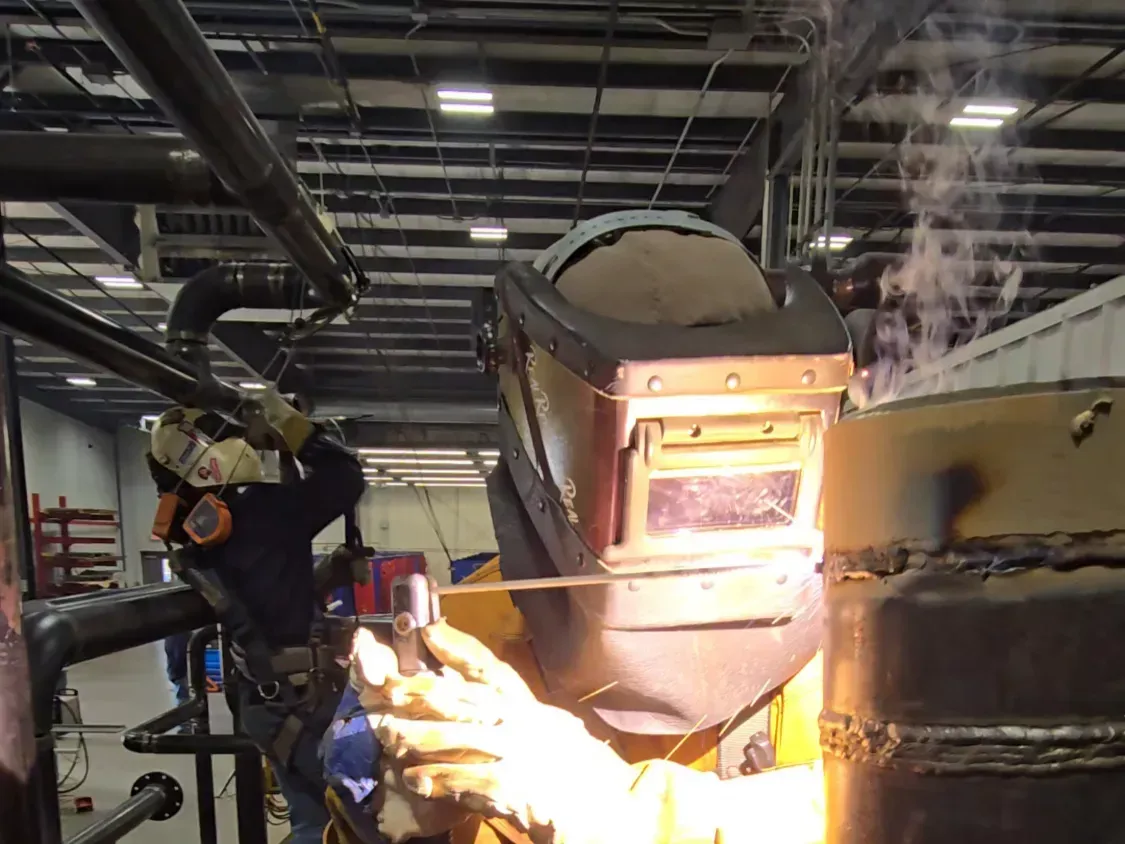
Industrial fabrication demands extreme precision, especially when managing high-stakes welding projects. Boiler and pressure vessel work represents a specialized discipline far beyond standard shop assignments. These complex assignments require rigorous planning, exact fit-up, and absolute compliance with strict industry codes. A single minor error can quickly compromise structural safety, operational performance, and long-term machinery reliability.
Successful execution of these critical tasks rewards patience, deep discipline, and exceptional technical habits. Welders do not merely join metal sections together. Instead, they build heavy infrastructure engineered to endure intense heat and immense pressure without failure. This responsibility makes the discipline both highly challenging and deeply respected across the industrial sector.
Welding Projects That Start With Code Awareness
Boiler and pressure vessel fabrication begins long before the first arc. You need to understand drawings, material grades, joint designs, and procedure limits. This work follows strict code standards, making guessing an unacceptable approach.
Meticulous preparation reduces errors later. It helps the entire crew move forward with confidence. Welders can focus on consistency rather than correcting avoidable mistakes.
Common early-stage considerations include:
Material identification and thickness validation
Joint preparation and accurate bevel angles
Fit-up precision before welding begins
Procedure compliance for the selected process
Clean metal surfaces and contamination control
These small details shape final results. In complex assemblies, early planning determines how smoothly the rest of the assignment proceeds.
Welding Projects and Inspection Checkpoints
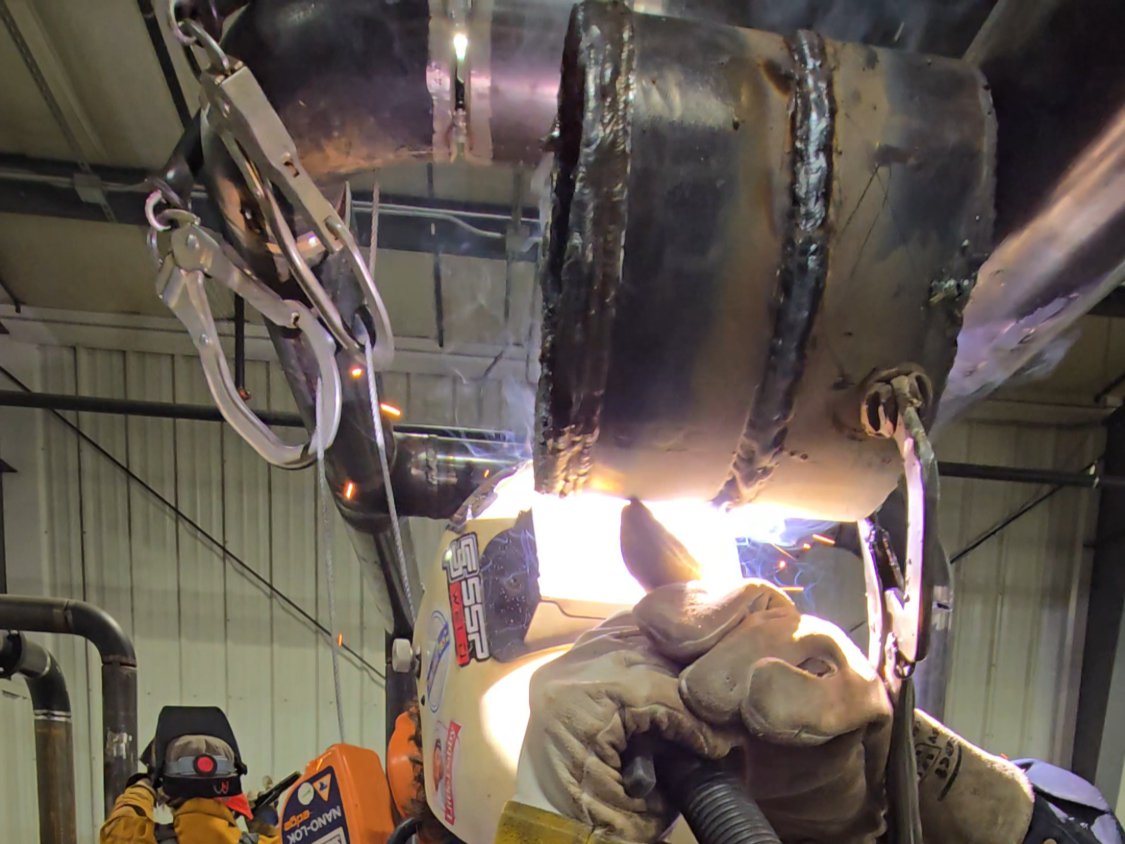
Rigorous inspection forms a major part of boiler and pressure vessel work. A completed weld does not earn trust simply because it looks smooth. It must meet the required industry standard for the specific application. Therefore, these demanding welding projects include multiple validation checks.
Visual inspection always happens first. After that, the job requires additional testing depending on the code, part, and service conditions. Inspectors examine weld profiles, penetration depth, and defect risks.
A few inspection-minded habits help from the start:
Keep all records organized and easy to review.
Follow the correct weld procedure every single time.
Stop and correct fit-up issues before welding.
Verify dimensions during the build, not afterward.
Treat rework as a learning point, never a shortcut.
This disciplined approach builds professional credibility. It helps welders develop excellent habits that carry over into other assignments. Precision matters in every setting, but it matters even more when the equipment you are working on has to perform in critical environments.
Why Specialization Improves Welding Jobs
Specialized fabrication work gives welders a deeper understanding of the trade. Instead of repeating basic tasks, you learn how materials, processes, and codes connect. This advanced knowledge makes you highly adaptable during complex welding projects.
Specialization quickly improves your confidence. You start to see why certain steps matter. You learn to solve problems instead of just reacting to them. This proactive mindset serves you well in workshops, field work, and future opportunities.
What specialization builds:
Better reading of blueprints and welding symbols
Stronger awareness of strict quality expectations
Improved repeatability in demanding conditions
More respect for procedures and documentation
Greater readiness for advanced career assignments
The right specialization never removes the need for fundamentals. It builds directly on them. A solid welding foundation allows you to grow into demanding roles later.
What Students Should Expect From Welding Apprenticeship Paths
A welding apprenticeship offers a practical next step for anyone who seeks real experience. It combines hands-on work, expert supervision, and steady skill development. This structure helps new welders learn how the trade works outside the classroom.
The program provides valuable field exposure. You see how teams communicate. You learn how schedules, quality checks, and production goals affect daily operations. More than that, you understand that good work requires more than technique alone.
A strong apprenticeship mindset includes:
Showing up ready to work every day
Listening carefully to all instructions
Asking questions at the right time
Accepting correction without attitude
Building speed only after ensuring reliability
Employers notice these critical habits immediately. Good welding jobs go to people who combine technical skill with professionalism. A dependable worker is easier to trust on complex projects.
Building a Solid Base For Demanding Work
Mastering complex welding projects requires a commitment to essential core skills. Developing solid technique, practicing patience, and adhering strictly to industry standards create habits that will serve you well in the shop, on job sites, and throughout advanced training.
At the American Welding Academy, our hands-on curriculum and realistic workplace standards help students establish this crucial foundation. We prioritize core welding techniques, fitting precision, and professional work habits that employers actively seek. To prepare for code-quality work and advance your career opportunities, get started today by calling AWA at (636) 800-9353 or visiting www.awaweld.com.
FAQ
What is the difference between boiler work and general fabrication?
Boiler work usually involves stricter requirements and more oversight. The parts must handle pressure and heat, so the tolerance for error is much lower.
Do I need strong math skills for this kind of welding?
You do not need advanced math, but basic measurement, fractions, and angle understanding are important. Accuracy in layout and fit-up depends on them.
Is boiler and pressure vessel fabrication weldin work mainly done in a shop?
A lot of it starts in a shop, but some projects may move into field settings. The environment depends on the assignment and the equipment involved.
