


Filler Metal Selection Guide: Choosing the Right Electrode | American Welding Academy
When it comes to producing strong, reliable welds, few decisions matter more than choosing the right electrode. No matter where you are in your welding journey, understanding filler metal selection is one of the most practical skills you can develop for your welding projects.
Why Material Compatibility Matters in Welding Projects
The first thing to consider when selecting a filler metal is whether it is compatible with your base metal. Different metals have unique properties like thermal conductivity, melting point, and corrosion resistance. Using an incompatible electrode can lead to weak joints, cracking, or weld failure under stress.
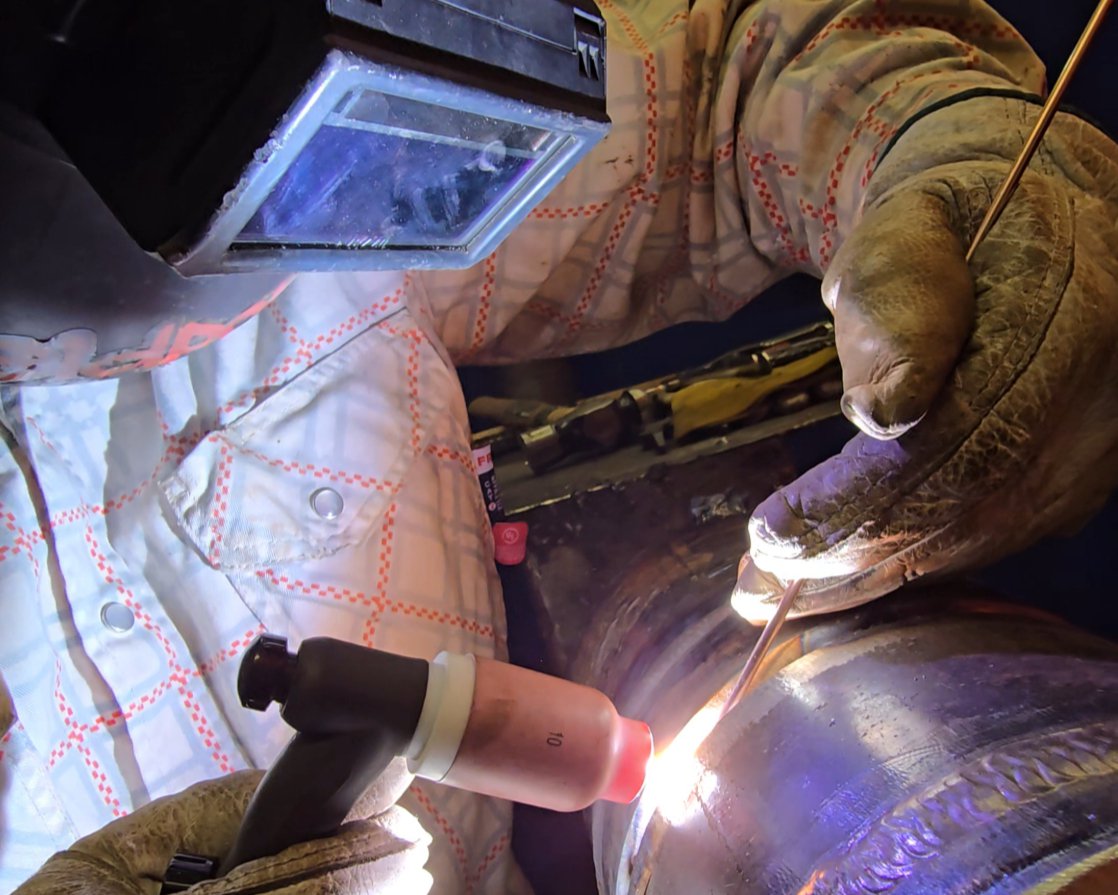
Mild steel pairs well with standard low-hydrogen or cellulosic electrodes
Stainless steel requires a filler metal that preserves its corrosion resistance, such as ER308L or ER309L
Aluminum demands a filler specifically made for aluminum, like ER4043 or ER5356, since standard steel electrodes will not bond properly
Dissimilar metals require careful research and sometimes a transitional filler metal
Always match the filler metal to the base metal's chemical composition first. This single step eliminates a large portion of potential weld defects before you even strike an arc.
Reading AWS Classifications for Welding Projects
The American Welding Society (AWS) created a standardized classification system so welders can clearly identify what an electrode does before using it. Learning to read these designations is essential for any serious welding project.
Here is how the system breaks down for a common stick electrode like E7018:
E stands for electrode (arc welding)
70 indicates a minimum tensile strength of 70,000 psi
1 means it can be used in all positions
8 identifies the coating type (low hydrogen) and current polarity
For wire-fed processes, the prefix shifts to ER, as in ER70S-6 for MIG or ER308 for TIG welding stainless steel. Understanding these codes removes the guesswork. You can look at the designation and immediately know how strong the weld metal will be and how the electrode performs.
Strength Matching: A Non-Negotiable Step
Matching the strength of your filler metal to your base metal is not optional. It is a structural requirement. If you weld a base metal with a tensile strength of 60,000 psi, your electrode must meet or exceed that value to keep the joint from becoming the weakest point.
Undermatching strength is a common mistake among welding beginners. It can produce a weld that looks fine visually but fails under load. Overmatching, on the other hand, can introduce brittleness in certain applications. The goal is an appropriate match based on the actual service demands of the finished piece.
Review the base metal's material specification or data sheet
Cross-reference with AWS filler metal charts for your welding process
Consider joint design and service environment (high stress, high heat, outdoor exposure, etc.)
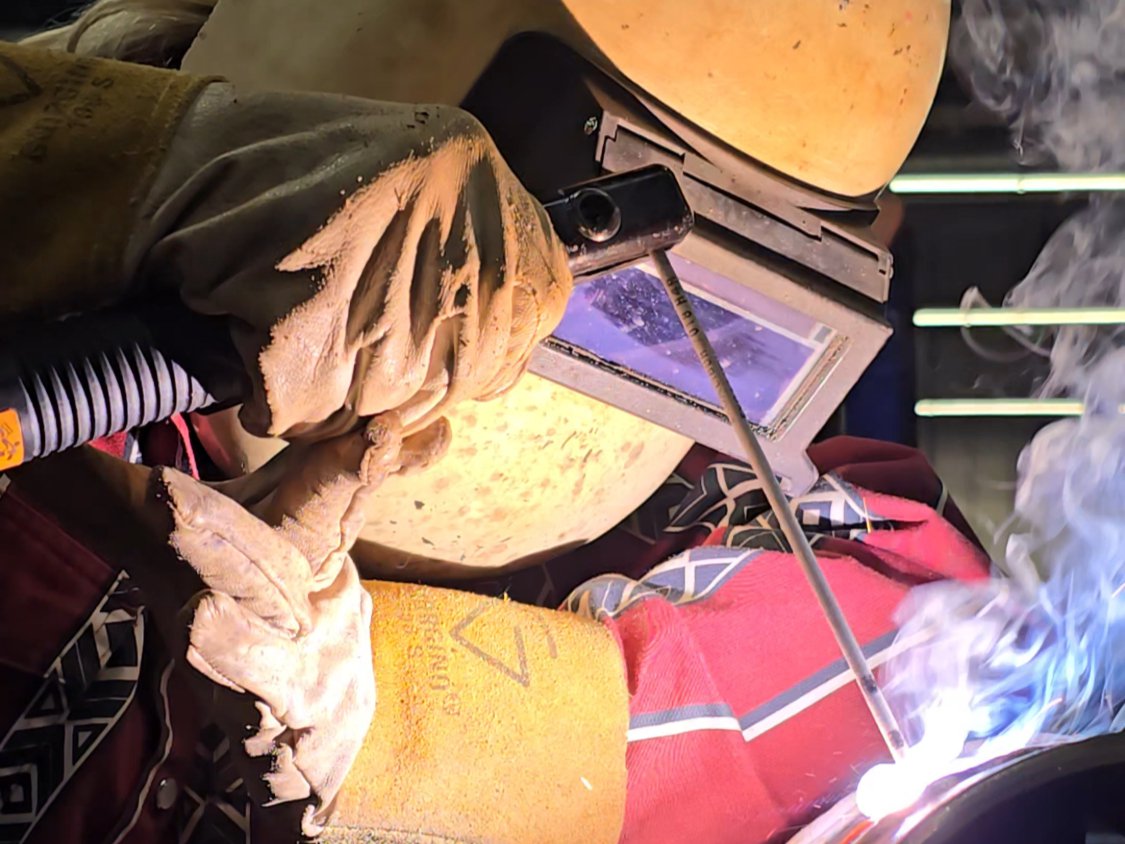
Strength matching becomes even more critical in structural, pipe, and pressure vessel work, where code compliance is mandatory.
Balancing Cost and Performance
Budget is a real consideration in welding. Filler metals vary widely in cost depending on their alloy content, form factor, and the manufacturer. However, cutting costs by choosing a cheaper, incompatible electrode is never worth it.
A more practical approach is to match the electrode to the actual requirements of the job. Not every project requires a premium low-hydrogen rod. For general fabrication on mild steel, a cost-effective option like E6013 may be entirely appropriate. For structural work or pipe, E7018 is the industry standard for a reason. The key is knowing when you need performance and when a more economical option is sufficient.
Build the Instincts That Make You a Better Welder
Filler metal selection is not something you can figure out from a chart alone. It takes hands-on practice across multiple processes and materials to truly understand how different electrodes behave. That understanding comes from time in the booth.
At the American Welding Academy (AWA), students work through pipe welding, fabrication, and fitting courses that cover these fundamentals in depth. You will not just be told how it works; you will practice it until the decisions become instinct.
If you are serious about building a welding career, reach out to the team at AWA. Visit us at www.awaweld.com or call (636) 800-9353 to learn more about available courses and enrollment.
Frequently Asked Questions
Q: What is the difference between an electrode and a filler metal?
A: An electrode is the component that conducts current in the welding circuit. In processes like stick welding, the electrode also acts as the filler metal that melts and becomes part of the weld. In TIG welding, the electrode (tungsten) does not melt. A separate filler rod is fed manually into the joint.
Q: Can I use the same electrode for different types of steel?
A: Not always. While some electrodes like E7018 work well across a range of carbon and low-alloy steels, high-carbon steel, stainless steel, and tool steel each have different requirements. Always check the base metal specification before selecting your electrode.
Q: Does welding position affect which electrode I should use?
A: Yes. Some electrodes are designed for flat and horizontal positions only. Others are rated for all positions, including vertical and overhead. The AWS classification number tells you which positions an electrode supports, so check that digit before committing to a product for a challenging position.
