



Custom Metal Art and Decorative Welding: Creative Career Opportunities
Beyond structural beams and heavy manufacturing, metalworking has expanded into a thriving blend of craftsmanship and fine art. Today's artisans are transforming raw copper, steel, and brass into stunning sculptures, intricate gates, and custom architectural features. From personalized home accents to large-scale public installations, pursuing these creative welding projects opens up an exciting frontier where technical skill meets artistic intuition.
For fabricators looking to step away from traditional industrial work, custom metal art and decorative welding offer a dynamic path to entrepreneurship, creative freedom, and a highly specialized career.
Forging Vision: Transforming Concepts into Metal Art
Creative welding always starts with a strong, clear idea. A simple sketch can transform into a finished metal sculpture when you master joint design and heat control. Even artistic work relies heavily on strict workshop discipline. Poor preparation or a crooked weld will quickly ruin your final design.
Many welders practice their artistic skill and style by starting with small welding projects. Beginners often build custom nameplates, candle holders, plant stands, or scrap-metal animals. Every piece teaches you something useful about the craft. You learn how metal moves, how welds blend, and various finish options for display pieces.
Decorative welders should consider the final home of their artwork. Will the finished piece live indoors or face outside elements? Will you paint the metal, seal it, or leave it completely raw? These critical questions shape your entire building process from the very start.
Elevating Decorative Welding: Precision and Process in Artistic Fabrication
Transforming raw metal into art requires the same discipline as industrial fabrication. While the goal is aesthetic, the result relies on technical rigor. Superior metal art isn't just about the weld; it’s about the underlying structure and surface preparation.
To elevate your decorative projects, focus on these fundamentals:
Precision Prep: Clean edges and accurate fit-up aren't just for structural welds. They minimize the need for heavy grinding and help maintain consistent heat control, preventing warping on thinner decorative materials.
Strategic Thermal Management: Artistic pieces often use varied material thicknesses. Controlling heat input is essential to reduce distortion, especially when working with reactive metals like stainless steel or aluminum.
Intentional Finishing: The "rustic," "modern," or "industrial" look you want is created by how you treat the metal before and after the arc. Consistent weld appearance and purposeful post-weld finishing turn a joined piece into a finished product.
Respect the Metal: Different alloys behave differently. Steel is often more forgiving, but mastering stainless and aluminum demands precise arc length and travel speed control.
Professional results require patience. Rushing the process often introduces defects that are difficult to correct later. Treat your creative work with the same technical respect you would a high-stakes industrial project.
Welding Projects and Small Business Possibilities
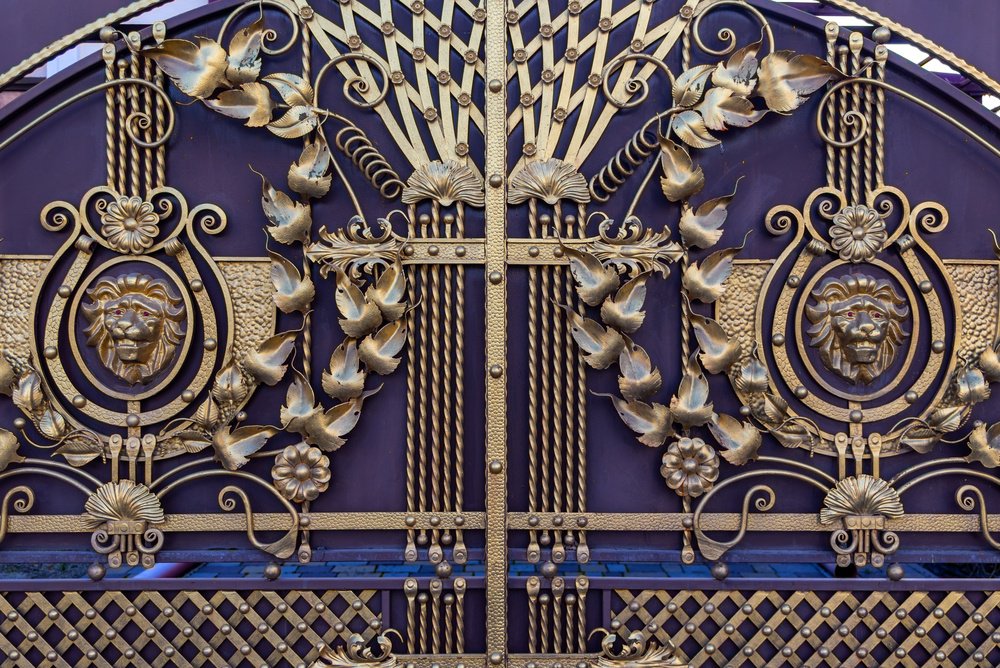
Some artists enjoy metalwork as a rewarding personal hobby. Others successfully transform their craft into a profitable side business. Both paths offer incredible fulfillment. Custom orders require excellent customer communication alongside great craftsmanship because you build pieces one at a time. Clients often request custom signs, ranch gate accents, or unique home decor.
Selling custom metal art requires a highly repeatable process. You must document specific sizes, materials, finish options, and production timelines. You also need to understand accurate pricing strategies. Materials, labor time, consumables, grinding wheels, paint, and delivery costs all change your final job expense.
A few professional habits make a significant difference:
Keep a simple photo portfolio of your finished work
Track exact material use on every job
Set clear expectations before accepting a customer deposit
Save detailed notes on successful fabrication techniques
Build attractive sample pieces for display or social media
A creative welder never needs to start with massive builds. Small welding projects quickly build your confidence, attract client attention, and develop your personal style. Over time, that distinct style becomes your unique identity as a professional welding artist.
Your Path to Metal Artistry: Trade School and Welding Programs
Mastering workshop fundamentals is essential for establishing a successful creative career. Skilled welders rely on precise puddle control, accurate joint reading, and an unwavering commitment to safety. Whether you are constructing a heavy-duty trailer or crafting an intricate wall sculpture, mastering these core basics ensures superior craftsmanship and prevents costly material mistakes.
The American Welding Academy (AWA) provides targeted courses designed to instill these foundational skills within a focused learning environment. Students cultivate essential shop habits, such as precision, consistency, and professional work ethic, that are crucial when taking on custom client projects or selling metal art.
By emphasizing hands-on training and career readiness, AWA prepares students to step confidently into specialized fabrication or custom metal artistry. To discover how our welding programs can support your trade goals, reach out to AWA at (636) 800-9353 or visit www.awaweld.com for details.
Creative Welding Projects FAQ
What kind of custom metal art is easiest for beginners?
Simple items like plant stands, wall signs, small brackets, and basic sculptures are good starting points. They help you practice fit-up, bead control, and finishing without overwhelming complexity.
Do I need artistic talent to start decorative welding?
No. You need patience, practice, and an eye for detail. Design skills can grow over time as you complete more pieces.
Can decorative welding lead to paid work?
Yes, but it usually starts small. Many people begin with side projects, custom gifts, or local commissions before taking on larger work.
