


Supply Chain Resilience in Welding: Sourcing Materials Effectively
Whether you're building a career or already working in the trade, understanding how materials move from supplier to job site is a skill that separates good welders from great ones. Welding projects depend on far more than technique and equipment. They rely on the right materials showing up at the right time, in the right condition, and at a cost that keeps the work profitable.
Disruptions happen. Prices shift. Vendors fall short. Knowing how to plan around those realities is part of being a professional.
Why Material Availability Matters for Welding Projects
No welder can produce quality work with materials that haven't arrived yet. The welding industry relies on the timely delivery of supplies to minimize downtime and maximize productivity. When materials are delayed, entire project timelines stall.
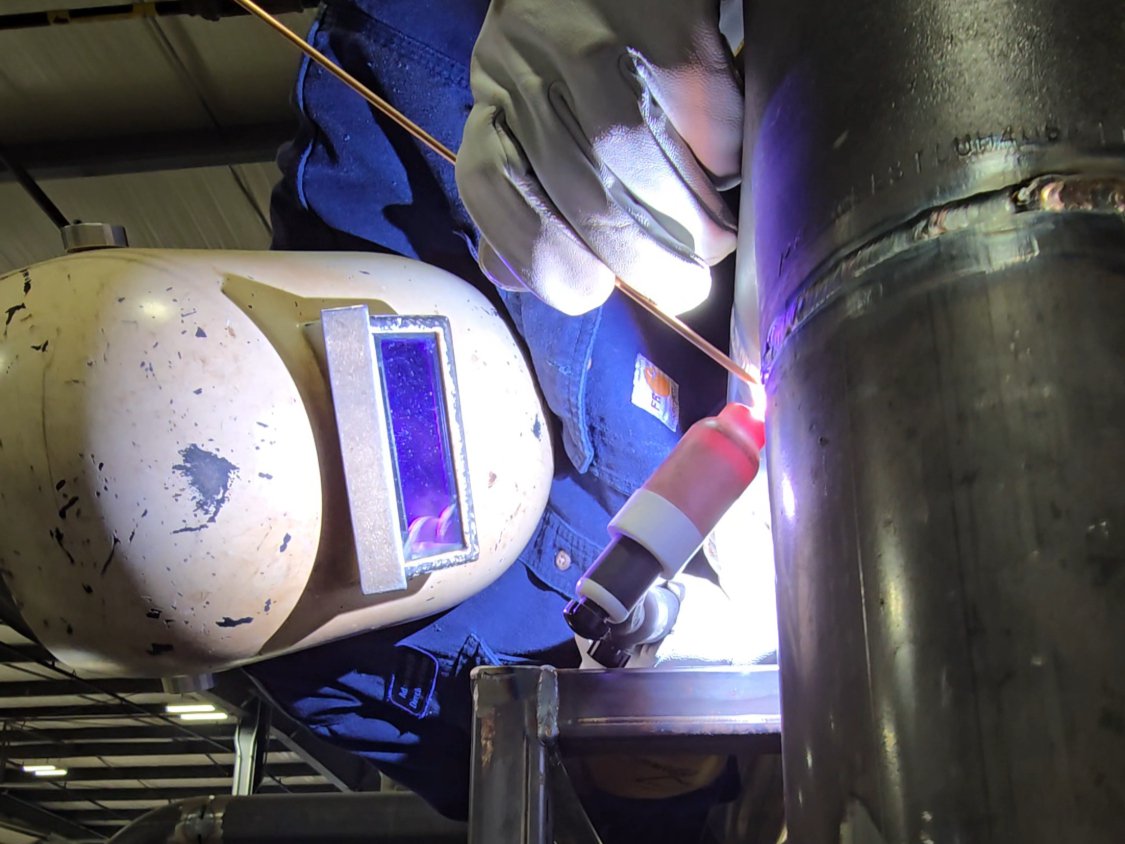
This is especially true for pipe and fabrication work, where specific grades of steel, filler metals, and pipe fittings must be on hand before work can begin. Planning ahead isn't optional. It's essential.
A few factors that affect material availability include:
Global supply fluctuations in steel and aluminum pricing
Regional distributor stock levels
Seasonal demand spikes in construction and manufacturing
Lead times for specialty materials like stainless steel or high-strength alloys
Cost Management Strategies That Actually Work
Material costs are one of the biggest variables in any welding project budget. Efficient procurement reduces material waste and holding costs, directly protecting your bottom line. The key is developing a consistent approach to purchasing rather than reacting to shortages after the fact.
Here are practical ways to manage material costs effectively:
Buy in bulk when prices are favorable, and storage allows
Track price trends for common materials like carbon steel and wire consumables
Reduce scrap rates through better fit-up and joint preparation
Compare quotes from multiple suppliers before committing to large orders
Review material specifications carefully so you're not over-engineering a solution with expensive alloys when a standard grade will meet code
Building Strong Vendor Relationships
A vendor simply sells you what you ask for. A true supplier partner invests in understanding your needs and helps you avoid problems before they happen. The difference matters most when a shortage hits or you need to pivot quickly on a project.
Welders and fabrication professionals who treat their suppliers as partners tend to receive better pricing, faster communication, and priority access during periods of tight supply. Flexibility and adaptability in a supply chain depend heavily on how well those relationships are maintained. Building that kind of rapport takes time, but it starts with consistent communication, paying on time, and giving suppliers accurate forecasts of your material needs.
When evaluating a supplier, consider these key questions:
Can they provide the quantity you need at a fair price?
Is their quality consistent and verified?
Are they reliable in delivering on time?
Do they have a strong reputation in the industry?
Are they easy to work with when issues arise?
Inventory Planning and the Welding Projects That Depend on It
Smart inventory planning is what keeps welding projects moving when the market gets unpredictable. Being too lean is a critical mistake. Too little inventory negatively impacts both your operations and your supplier's ability to serve you well. At the same time, overstocking ties up capital and creates storage challenges.
The goal is balance. Align your stock levels with your actual project pipeline. If you know you have a pipe welding contract starting in six weeks, that's your signal to order now, not when the job begins. Using demand data, project schedules, and historical usage patterns helps you make smarter stocking decisions.
Start With the Right Foundation at American Welding Academy
At American Welding Academy (AWA), we teach more than how to strike an arc. We prepare students to think and perform like working professionals. That means understanding the full picture of a welding career, from technique and code compliance to the practical realities of managing materials, working within project constraints, and communicating effectively with employers and vendors alike.
Our welding classes are built around real-world readiness. Whether you're enrolling in our 24-week Pipe Welding & Fitting Course or our 12-week Fabrication Welding & Fitting Course, you'll graduate with skills that hold up on the job. That foundation is what positions you to take on more complex welding projects with confidence.
If you're ready to build a career that lasts, we'd love to walk you through your options. Visit our website at www.awaweld.com or call us at (636) 800-9353 to learn more about our upcoming start dates and find a program that fits your schedule.
Frequently Asked Questions
Q: How do welding students typically learn about material selection during training?
A: Hands-on training introduces students to a range of materials, including carbon steel, stainless steel, and pipe materials. Instructors guide students through how different base metals and filler materials interact, which builds the foundational knowledge needed to work confidently on real projects after graduation.
Q: Does learning supply chain management apply to entry-level welding jobs?
A: Yes. Even as a new hire, understanding lead times, material availability, and job sequencing helps you communicate better with supervisors and contribute more effectively to project planning. Employers consistently value workers who think beyond their immediate task.
Q: What's the difference between a consumable and a base material in welding?
A: Base materials are the metals being joined, such as steel pipe or structural plate. Consumables are the items used up during the welding process, including electrodes, filler wire, and shielding gas. Both require thoughtful sourcing and inventory management to keep projects on schedule.
