



Welding Shop Fire Safety: Common Hazards to Avoid | American Welding Academy
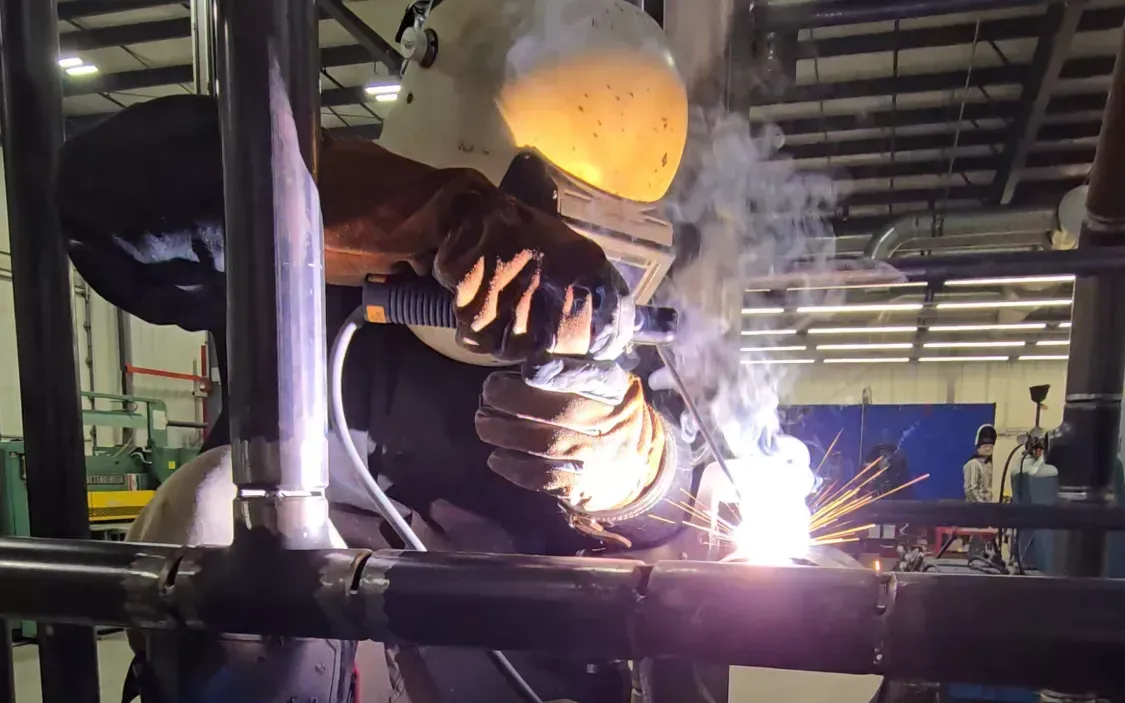
Working in a welding shop means managing heat, sparks, and open flames every single day. Part of welding safety is understanding the fire risks that exist around you and knowing how to respond before a spark becomes a serious problem. Some hazards are obvious, others are easy to overlook, especially when you're focused on laying a good bead.
Why Fire Risks Are Different in a Welding Environment
Welding creates intense heat in a very short time. Sparks and spatter can travel further than most people expect. According to the American Welding Society, sparks can travel up to 35 feet from the point of work. That's nearly the length of a full school bus. In a busy shop, that kind of distance covers a lot of ground, including things like scrap piles, rags, wooden pallets, and cardboard.
Fires that start from welding don't always ignite immediately. Materials can smolder for a while before they actually catch. That's what makes some shop fires so dangerous. They start quietly and grow fast.
Welding requires careful preparation and post-work vigilance. Before starting any welding project, clear the work area of all combustible materials. If materials cannot be moved, cover them with fire-resistant blankets or shields.
Even after welding is complete and the work area seems cool, a fire watch must be maintained. This monitoring period is crucial because materials can smolder long after the heat source is removed, leading to delayed ignition.
The 35-Foot Rule and Welding Safety
The "35-foot rule" is a key part of hot work safety. Under OSHA standard 29 CFR 1910.252, a fire watch is required whenever combustible material is within 35 feet of a welding or cutting operation in either the horizontal or vertical direction and cannot be moved.
Here's what that means in practice:
Clear combustible materials from the area before striking an arc.
If materials cannot be moved, use fire-resistant shields or barriers to protect them.
Cover wall and floor openings within the 35-foot radius where sparks could travel through.
Assign a designated fire watch when conditions require it.
A fire watch is not just someone standing nearby. This person must be trained in using fire extinguishing equipment and in sounding alarms. They must also stay at the work area for a minimum of 30 minutes after welding stops. NFPA 51B actually recommends at least one hour, depending on the level of risk involved. Smoldering material doesn't always reveal itself right away.
Pressurized Cylinder Storage: A Hazard That Gets Overlooked
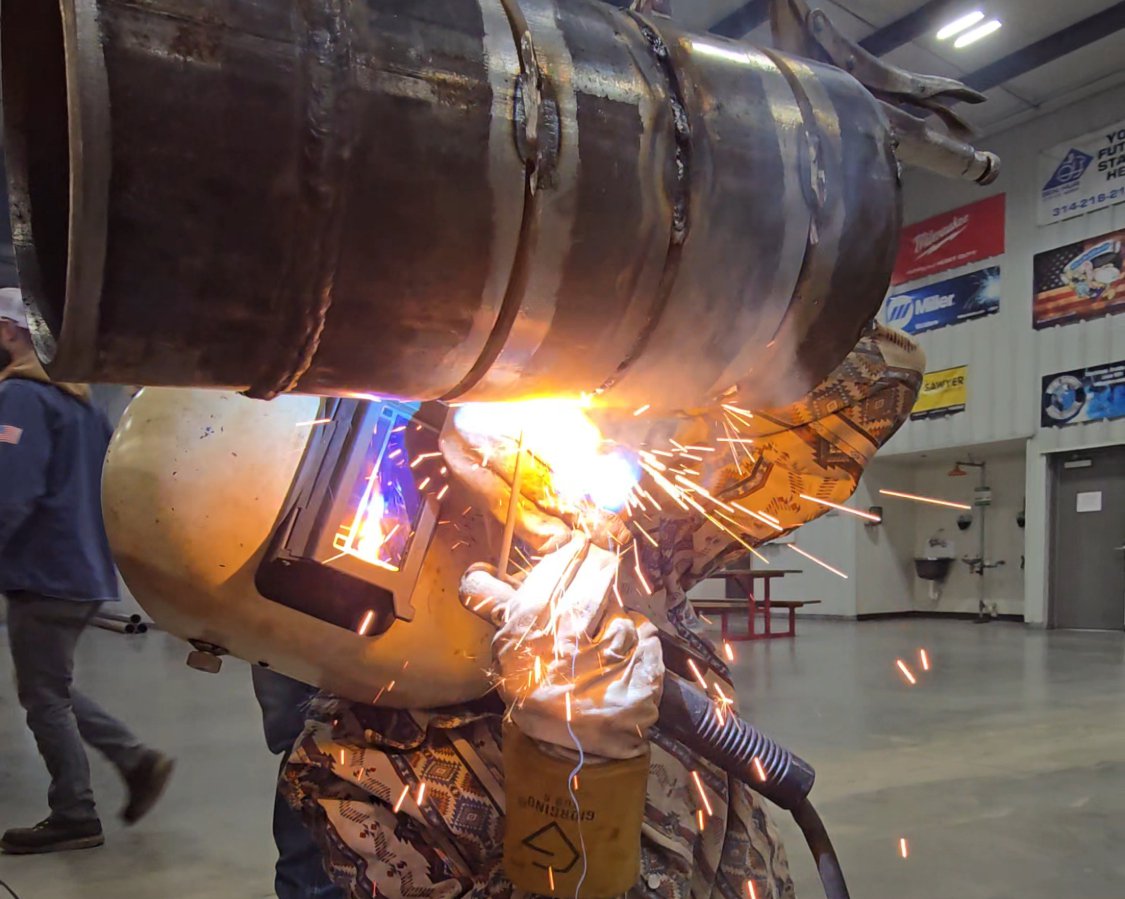
Gas cylinders are a daily part of welding work, but their storage is often handled carelessly. A pressurized cylinder that tips over, gets damaged, or has its valve knocked off can become extremely dangerous.
Proper cylinder storage is a non-negotiable part of welding safety. Follow these safety guidelines:
Always store cylinders in an upright, vertical position and secure them with a chain or strap.
Keep fuel gas cylinders at least 20 feet away from oxygen cylinders and other heat or ignition sources, or separate them with a fire-resistant barrier.
Store cylinders in a dry, well-ventilated area away from combustible materials.
Never store cylinders in enclosed cabinets or areas without proper airflow.
Make sure valve caps are in place when cylinders are not in use, and never use a damaged or defective cylinder.
Cylinders should never be in a spot where they could become part of an electrical circuit. Keep them away from the actual weld area so that sparks or slag cannot reach them directly.
Additional Shop Hazards Worth Your Attention
Beyond the 35-foot rule and cylinder storage, there are a few other fire hazards that get missed in the day-to-day routine. Clutter and scrap materials near the welding zone are constant risks. Rags, cardboard, and waste materials can ignite from stray sparks or radiated heat.
Tight spots and cracks in the floor or walls can trap slag that continues to smolder long after you've moved on. Good housekeeping is not just about organization. It is a direct safety practice. A clean shop is a safer shop.
Building Welding Safety Habits Starts in Training
Learning fire safety procedures and proper equipment handling from the beginning makes a real difference in how you approach every shift. At the American Welding Academy, fire safety and shop awareness are part of the foundation from day one. Students don’t just learn how to weld, they learn how to work responsibly in an environment where attention to detail protects everyone around them.
If you’re ready to learn from instructors who care about your safety and success, come train with us. Our programs teach more than just techniques; we help you develop real-world skills and respect for your trade. Together, we’ll make sure you start your career the right way: smart, skilled, and safe. Visit our website at www.awaweld.comor call us at (636) 800-9353 to get started.
