


Essential Welding Safety Rules: Protect Your Career | American Welding Academy
Welding is an exciting skill that lets you build, repair, and create with your own hands. It’s a craft that takes focus, patience, and care. That’s why welding safety is one of the most important lessons every welder must learn from day one. Understanding how to stay safe helps you protect yourself, your coworkers, and the future you’re working hard to build.
At AWA, we don’t just teach welding skills; we teach smart habits that protect you on and off the job. Whether you’re just getting started or already have experience, learning and practicing these safety habits prepares you for success in any welding environment.
Welding Safety Starts With the Right Equipment
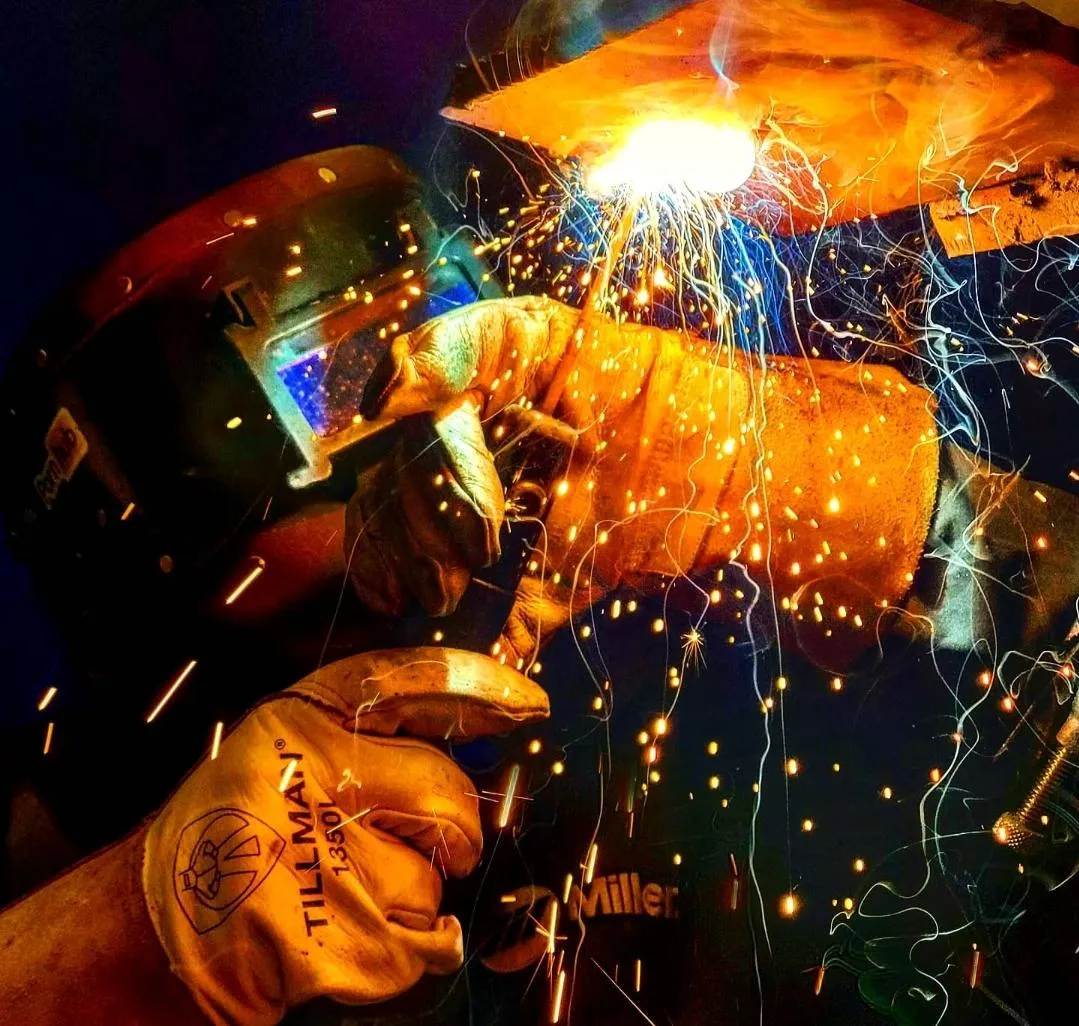
Good welders always start with the right protective gear. It’s not just a rule, it’s your best line of defense. Wearing proper equipment protects you from burns, sparks, and harmful light.
Always wear a helmet with an auto-darkening lens to protect your eyes from bright flashes. Make sure your gloves fit well and are made for welding. Wear long-sleeve, flame-resistant clothing and closed leather boots. Your gear should cover every bit of skin. Remember, safety gear isn’t optional; it’s what keeps you safe every day.
Before every job, check your equipment for damage. If your gloves have holes or your helmet is cracked, replace them right away. Minor issues can quickly turn into serious injuries, so always take a minute to inspect your gear.
Welding Safety Means Spotting and Preventing Hazards
Safe workspaces don’t happen by accident; they happen because welders make them that way. Before you start, look around and make sure the area is clean, dry, and free of flammable materials. Sparks can travel several feet, so even something sitting nearby could start a fire.
Keep a fire extinguisher within reach and know how to use it. Make sure your cables and hoses are in good shape and not blocking any walkways. If you notice something unsafe, speak up and fix it.
Every time you inspect your workspace, you’re taking an important step in protecting yourself and others. Building that habit early on will make you a better, safer welder for life.
Proper Ventilation and Protection Keep You Healthy
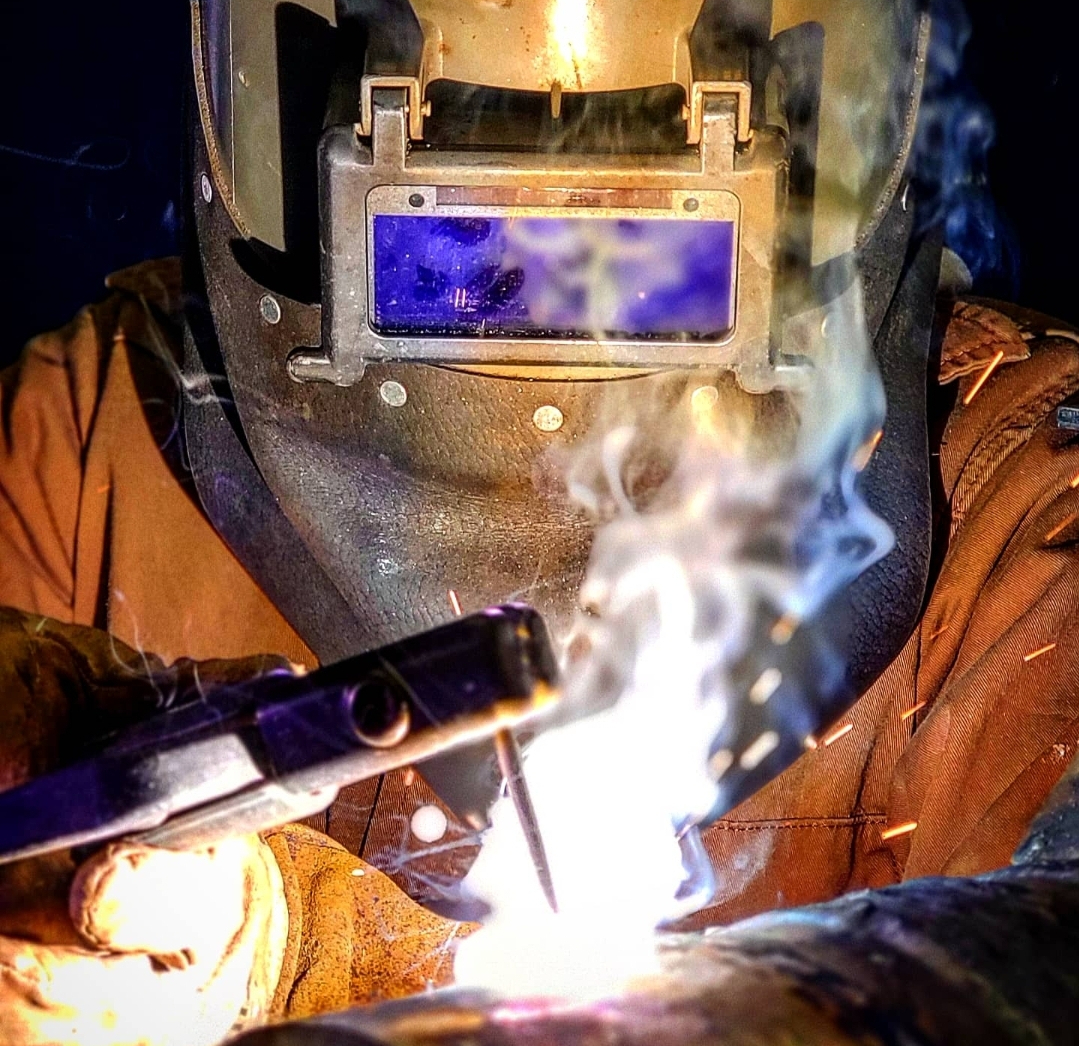
Clean air is just as important as clean welds. Without good ventilation, fumes and gases can build up and cause health problems over time. Here’s how to make sure you’re breathing safely:
Work in a well-ventilated area. Make sure air can move freely in and out of your workspace.
Use fume extractors. Local exhaust systems remove dangerous gases right where they form.
Know what you’re welding. Some metals give off harmful fumes, so check the material labels or safety data sheets.
Wear the right respirator. A properly fitted mask designed for welding helps protect your lungs.
Avoid small or enclosed spaces. If you have to weld in an enclosed space, make sure you have proper ventilation and someone nearby to assist if needed.
Emergency Procedures Every Welder Should Know
Even when you’re careful, accidents can happen. That’s why knowing what to do in an emergency is just as important as knowing how to weld safely.
Stay calm. Quick thinking helps you make the right choices.
Know where exits are. Always check escape routes before you start working.
Understand fire safety. If a fire starts, turn off all power and fuel sources, then use the proper extinguisher.
Give first aid if trained. Treat burns or small injuries right away to avoid infection.
Report incidents. Let your instructor, foreman, or safety officer know so improvements can be made.
Knowing what to do in an emergency can make all the difference. Practicing these steps often ensures that, when something unexpected happens, you’re ready to respond appropriately.
Creating a Strong Safety Culture in Welding
Safety isn’t just a checklist; it’s an attitude that shapes how you work. At AWA, we teach that good welders are safe welders. That means you look out for your teammates, keep your workspace clean, and never rush a job.
When you see someone doing something unsafe, don’t ignore it. Offer to help or remind them about proper safety practices. Employers notice welders who care about their safety and their coworkers’ safety. It shows you’re responsible, respectful, and serious about your craft. When everyone follows the same safety mindset, the entire team works better together.
Stay Safe, Stay Sharp, and Keep Welding
Every great welder starts by learning to respect the job and its risks. Welding safety may sound simple, but it’s what keeps your hands, eyes, and lungs in good shape for years to come. By staying aware, wearing the right gear, and looking out for others, you’re setting yourself up for a long and successful career.
If you’re ready to learn from instructors who care about your safety and success, come train with us at the American Welding Academy. Our programs teach more than just techniques; we help you develop real-world skills and respect for your trade. Together, we’ll make sure you start your career the right way: smart, skilled, and safe.
