


Repetitive Strain Injuries in Welding Prevention and Management Techniques
Welding is physical work. It asks a lot from your hands, wrists, shoulders, and back. Over time, repeated motions can lead to strain injuries that slow you down or end a career early. That is why welding safety has to include more than eye protection and proper ventilation. It also means protecting your body from the wear and tear that builds up shift after shift.
This article breaks down common repetitive strain injuries in welding and shares practical ways to prevent and manage them.
Understanding Repetitive Strain Injuries in Welding Safety
Welding safety is not just about big hazards like fumes or sparks. It also covers the smaller, slower risks that build up over time. A welder who ignores body mechanics today may face chronic pain years down the road.
Repetitive strain injuries, or RSIs, develop from doing the same motion over and over. Welders are especially prone to these injuries because of constant gripping, bending, and holding awkward positions. Pain often starts small and gets ignored until it becomes a real problem.
Making safety a daily habit protects your career, not just your shift. Simple choices, like adjusting your stance or taking short breaks, add up over time. These habits matter just as much as wearing the right gloves or helmet.
Common RSIs welders experience include the following.
Carpal tunnel syndrome from gripping torches and tools
Tendinitis in the elbow or wrist
Shoulder strain from overhead welding positions
Lower back pain from prolonged bending or standing
Neck strain from looking down at a fixed angle for long periods
Recognizing these issues early makes treatment easier. Ignoring them usually makes things worse.
Ergonomic Tips for Welding Safety
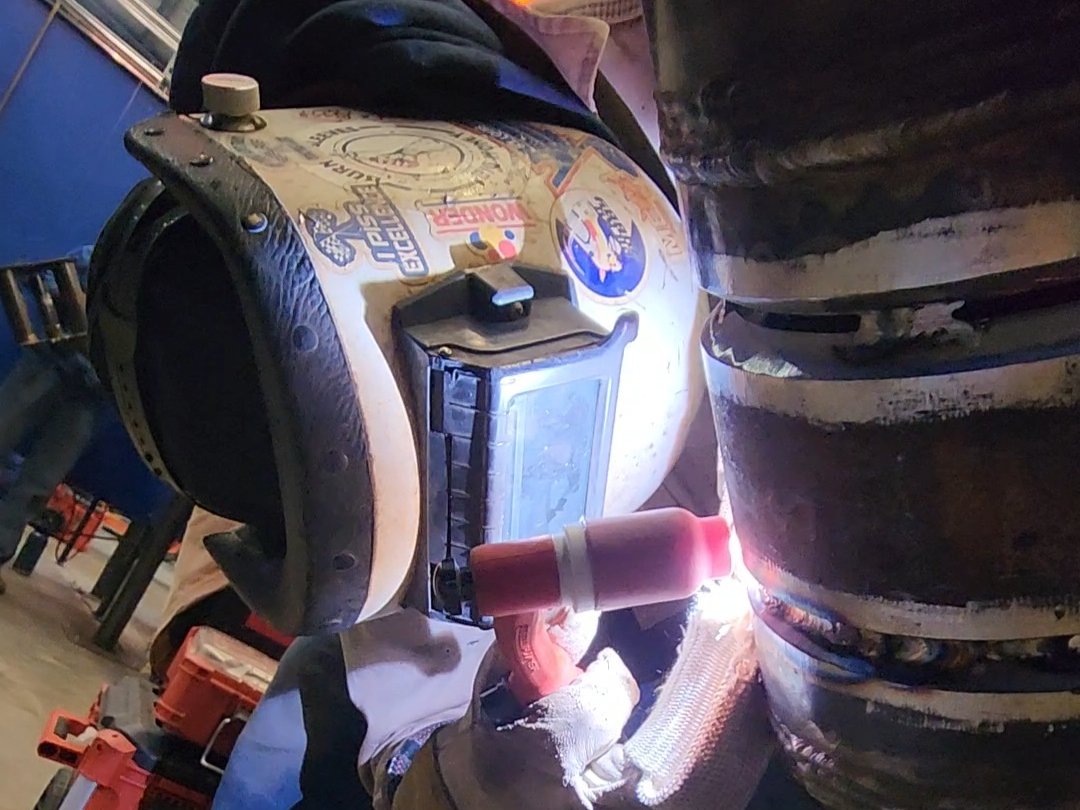
Welding requires sustained static postures, heavy gear management, and repetitive wrist movements. A proper ergonomic setup can prevent a lot of strain before it starts.
Workstation Setup & Posture
Workpiece Position. Elevate the workpiece so it lies between waist and chest height. Avoid working below knee level or above shoulder height whenever possible.
Neutral Spine Maintenance. Use height-adjustable tables, rotators, or positioners to bring the weld to you rather than contorting your body.
Support Structures. Use adjustable armrests, elbows blocks, or padded knee braces during long beads to distribute upper-body weight.
Equipment Selection & Tool Design
Torch & Gun Ergonomics. Opt for guns with pistol grips or flexible necks that keep your wrist straight (in a neutral "handshake" position) while holding the trigger.
Cable Strain Relief. Overhead cable suspension systems (booms or balancers) carry the weight of heavy leads, significantly reducing shoulder and wrist fatigue.
Lightweight Helmets. Upgrade to auto-darkening helmets to eliminate repetitive "neck snapping" flicks to lower the hood.
Body Mechanics & Load Reduction
Grip Strength | Use lightweight flexible torches; avoid over-gripping the gun. | Tennis Elbow & Trigger Finger |
Footing | Stand on anti-fatigue mats and shift weight periodically. | Lower Back Pain & Plantar Fasciitis |
Overhead Welding | Take frequent micro-breaks (10–15 seconds every 20 minutes). | Rotator Cuff Tendonitis |
Rest & Micro-Stretches
Reverse the motion. Every hour, step back to stretch chest muscles, gently roll shoulders backward, and perform wrist extensions.
Grip relaxation. Consciously check grip tightness during longer welds—use only the pressure required to control the torch.
Gentle neck stretches to relieve tension.
Cold or warm compresses for sore areas after a shift.
Building Safer Habits With the Right Training
Good habits start with good training from the moment you enter trade school. At the American Welding Academy, our welding welding classes incorporate proper technique from day one, including posture, tool handling, and body mechanics. Students learn how to protect themselves on the job, not just how to lay a clean weld.
We believe in honest training and real standards. Our programs prepare students for the physical demands of the trade, not just the technical ones. If you are looking to start a welding career with safety built into your foundation, we would love to talk with you. To learn more about enrollment and upcoming start dates, visit the website at www.awaweld.com or call us directly at (636) 800-9353.
