


Under the Radar What Life Is Like as a Sanitary Stainless Welder in Dairy and Pharma
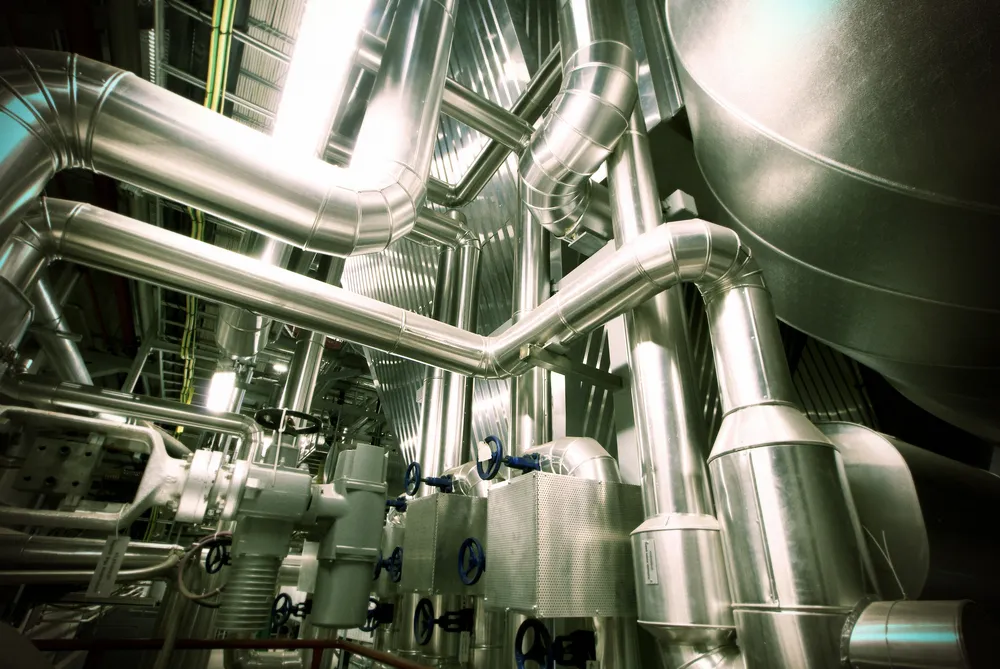
When most people think of a welder, they imagine sparks flying across an open structural steel yard. Specialized work like welding stainless steel inside a dairy plant or pharmaceutical facility looks entirely different: deliberate and almost surgical. The work happens on raw milk lines, liquid beverage tubing, and bioprocessing equipment skids that require ultra-clean surfaces.
This specialized corner of the trade rarely appears in main recruitment videos, yet it provides steady work for skilled tradespeople who master the required precision.
Why Sanitary Welding Demands Its Own Standards
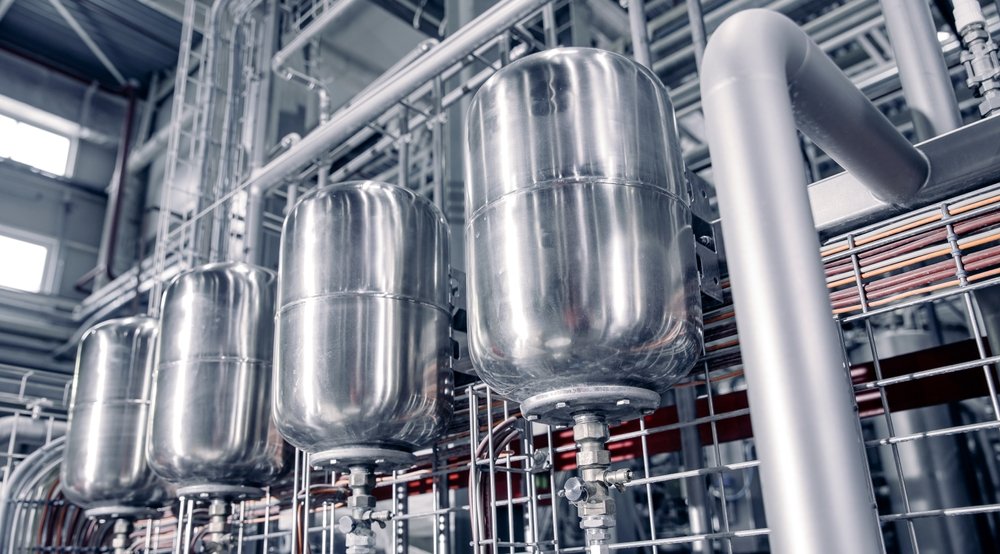
Sanitary piping systems transport products intended for human consumption or medical use. In these lines, any microscopic crevice, pit, or internal gap inside a joint can harbor bacteria. Standard chemical wash-down and Clean-In-Place (CIP) sanitization cycles cannot penetrate deep surface defects. A single flawed joint can harbor microbial growth, contaminating entire production batches and halting operations.
To prevent contamination, two primary regulatory frameworks govern these installations:
3-A Sanitary Standards: Governs equipment and piping design for the dairy, food, and beverage processing industries to ensure easy cleaning and inspection.
ASME BPE (Bioprocessing Equipment): Establishes strict requirements for the pharmaceutical and biomanufacturing sectors, dictating acceptable weld profile geometry, surface finish smoothness, and strict discoloration limits.
Inspectors evaluate sanitary joints primarily from the inside using borescopes. A successful weld must feature complete penetration across the entire circumference while maintaining a flat, smooth internal bead that blends flush with the tube wall.
The Technical Execution of Welding Stainless Steel Tubing
High-purity process lines rely almost exclusively on Gas Tungsten Arc Welding (GTAW), commonly known as TIG welding. The wall thickness on sanitary tubing is thin, typically ranging from 16 gauge down to 20 gauge. Most manual joints are autogenous, meaning the welder fuses the base metal edges directly without adding filler wire.
Managing interior shielding gas is one of the most critical aspects when welding stainless steel in hygienic applications. Since stainless steel reacts rapidly with atmospheric oxygen at elevated temperatures, the inside of the pipe must be completely purged with an inert gas, usually pure argon.
Without an adequate purge, atmospheric oxygen reacts with the molten metal on the backside of the joint, creating a dark, rough oxidation layer known in the trade as "sugaring." Sugared welds fail quality control inspections immediately.
Achieving a clean purge requires disciplined shop math and methodical job site setup:
Isolating the target weld area using inflatable purge dams or water-soluble purge paper.
Utilizing specialized oxygen analyzers to verify that residual oxygen inside the tube drops below 50 parts per million (ppm) before striking an arc.
Regulating purge gas flow rates carefully to prevent internal pressure from blowing out the delicate molten puddle.
Maintaining uninterrupted gas coverage until the completed joint cools below oxidation temperatures.
Precise heat input control prevents warping and burn-through on thin-wall tubing. Square, gap-free fit-ups are essential before starting any joint. While some modern facilities utilize automated orbital TIG welding systems to perform repetitive orbital joints, setting up and monitoring these machines still requires a strong practical understanding of puddle behavior and material metallurgy.
The Realities of Daily Job Site Life
The daily work environment in sanitary facilities differs significantly from heavy structural fabrication or cross-country pipeline work. Most projects take place indoors within clean, climate-controlled environments. However, the work demands high patience and strict adherence to protocol.
Daily responsibilities for a sanitary welder frequently include:
Working around plant shutdown schedules, which often require night, weekend, or holiday shifts to minimize facility downtime.
Maintaining dedicated stainless steel tools, including wire brushes, grinding wheels, and tungsten prep tools that never touch carbon steel, preventing cross-contamination rust.
Documenting every completed joint on detailed isometric drawings and weld logs for full quality traceability.
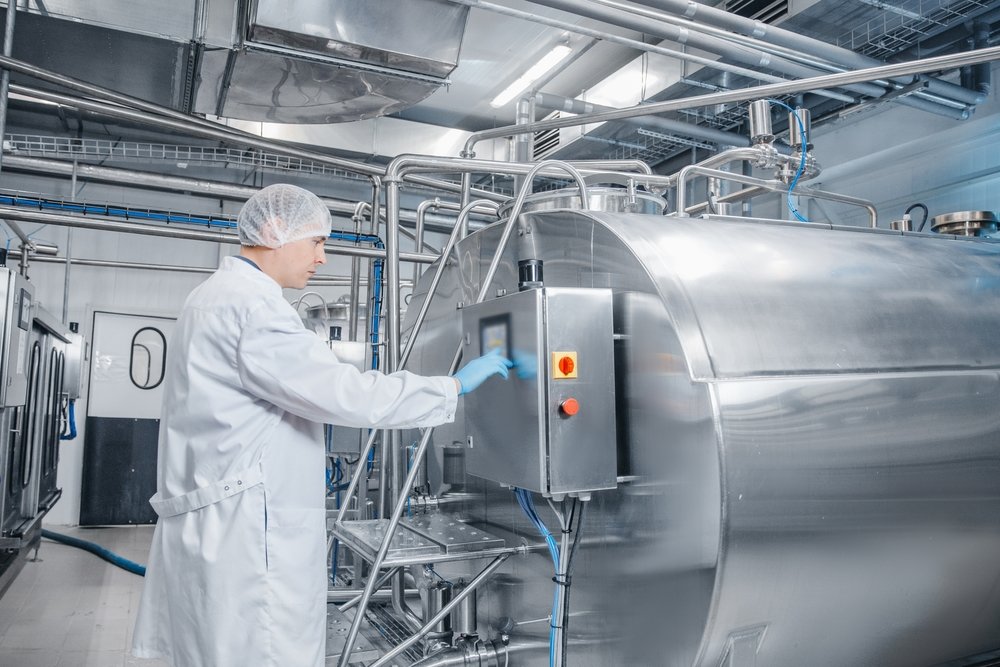
Following strict facility hygiene standards, including clean workwear, dedicated footwear, and clean glove handling.
Navigating tight spatial constraints around existing tanks, pumps, and utility lines.
Preventing iron contamination is an ongoing priority. If a steel wire brush or carbon grinding dust contacts stainless steel, free iron particles become embedded in the surface. Over time, those particles corrode, ruining the sanitary surface finish. Developing disciplined tool management habits is key to maintaining long-term trust in the industry.
From Core Fundamentals to High-Purity Precision
Specialized contractors and process piping companies typically teach their proprietary job-site procedures through on-the-job training. However, employers expect incoming hires to possess sound foundational skills before stepping onto a job site. Candidates need controlled torch movements, precise metal fitting capabilities, clear blueprint comprehension, and a basic understanding of code compliance.
This foundational training is where the American Welding Academy (AWA) focuses its curriculum. Before specializing in high-purity systems or advanced field application techniques, students must master core welding skills. AWA provides structured, hands-on programs designed to build these fundamental capabilities.
State-of-the-Art Facility. Train with professional-grade equipment in our modern, fully-equipped welding workshop.
Expert Instructors. Learn from experienced welders with decades of real-world industrial experience.
Career Placement Support. Benefit from our strong industry connections
Housing Assistance. Access available student housing and lodging options near the training facility.
Beyond technical torch time, instructors emphasize the professional habits employers value most: job site safety, punctual attendance, clear communication, and work ethic.
To learn more about our training programs, tour our facility, or speak with an admissions representative, contact AWA today at (636) 800-9353 or visitawaweld.com.
