



Mental Health and Work-Life Balance in the Trades: Supporting Welder Wellness
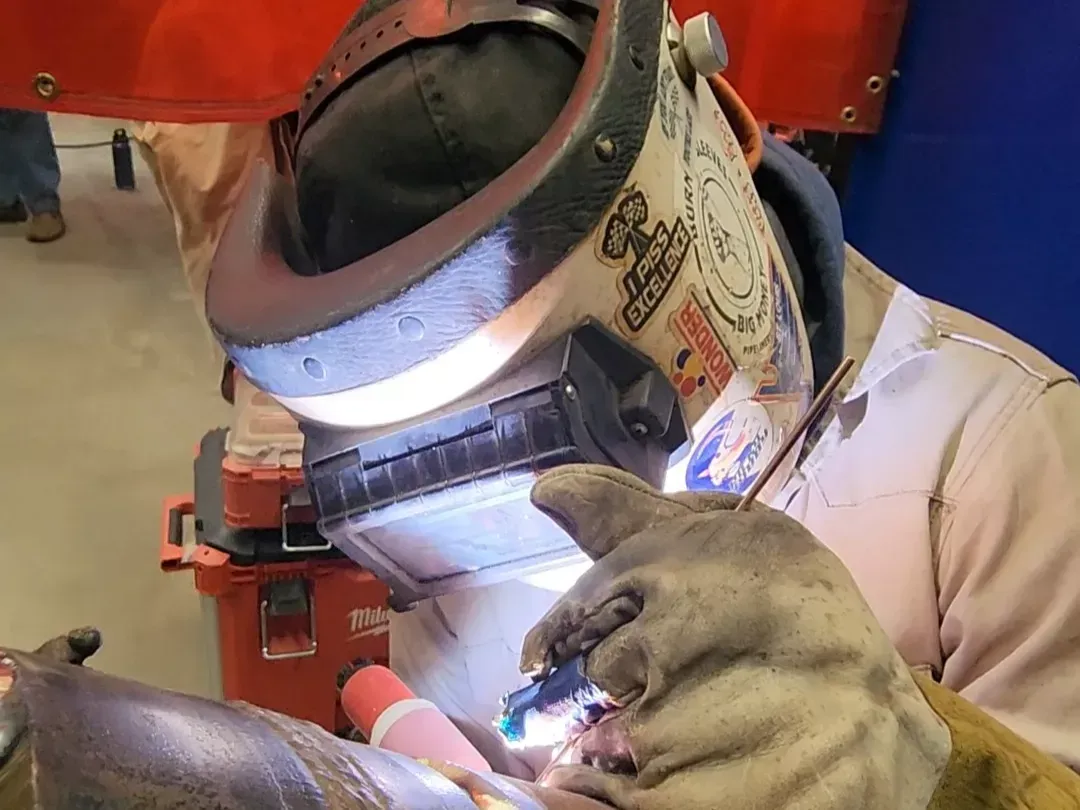
While comprehensive welding training equips tradespeople to handle intense heat, strict tolerances, and grueling physical environments, it rarely prepares them for the mental toll of the job. Long shifts, tight deadlines, repetitive strain, and extended time away from home can quietly lead to burnout, chronic stress, and mental health struggles. In an industry that has historically prioritized toughing it out over speaking up, creating a culture of wellness is no longer just a soft metric, it is essential to job safety and crew retention.
Supporting welder wellness requires looking beyond physical safety gear to build healthy workplace habits, manageable schedules, and accessible mental health support. Prioritizing work-life balance isn't just good for the worker, it builds a stronger, safer, and far more sustainable skilled workforce.
Welding Training and Mental Health Pressure
The welding field can bring real pressure. Workers often deal with deadlines, hot environments, noise, and repetitive movement. Some welding jobs also require travel, overtime, or time away from family. That can create strain, especially for new workers who are still adjusting to the pace.
Mental health challenges in the trades are often quiet. A welder may not call it stress. They may say they are just tired, distracted, or “off their game.” Over time, that can affect concentration and confidence. When focus drops, safety can suffer too.
A healthy mindset matters on the shop floor. It helps with weld quality, communication, and decision-making. It also helps a worker stay steady when the job changes from one day to the next.
Work Schedules That Support Recovery
Good scheduling habits can make a difference. Recovery is not lazy. It is part of staying sharp and safe. When rest is built into the week, the body has time to heal and the mind has space to reset.
Here are a few habits that help many trades workers stay balanced:
Keep sleep and wake times as steady as possible, even on days off.
Use meal breaks and water breaks instead of skipping them.
Leave a small buffer before and after work for commuting, stretching, or a quiet reset.
Protect one part of the week for family time, errands, or rest.
Speak up early if overtime is starting to affect performance or mood.
These habits may sound simple, but they add structure. Structure helps reduce decision fatigue. It can also make work feel more manageable when the week gets heavy.
Welding Training Habits That Protect Recovery
Strong welding training should teach more than technique. It should also reinforce habits that help people last in the trade. That includes body care, attention to safety, and realistic expectations about the job.
A few practical habits can support recovery and lower stress:
Warm up before physical work to reduce strain on shoulders, back, and hands.
Use proper lifting and positioning habits to avoid injuries that can create long downtime.
Pay attention to posture during long welding or fitting tasks.
Ask questions when a task feels unclear instead of rushing through it.
Take short mental resets when frustration starts to rise.
Burnout prevention often starts with small choices. A worker who notices tension early has a better chance of adjusting before the stress becomes exhaustion. That may mean asking for help, slowing the pace, or changing a routine that is no longer working.
Choosing Supportive Trade School Programs
The right training environment can make a difference in how a new welder handles pressure. A strong program does not only teach hands-on skills, it also shows students what work life really looks like. That matters for anyone considering trade school programs or welding school options.
Supportive programs usually give students clear expectations. They also prepare students for the discipline the trade requires. Creating realistic expectations can lower stress later because the transition to work feels less surprising.
Students looking at entry-level welding jobs should ask practical questions. How much instructor contact is available? Are safety habits reinforced every day? Do instructors talk about the realities of working long shifts, following code standards, and staying dependable? Those answers can reveal whether a program is building both skill and resilience.
At the American Welding Academy, we focus on base welding skills, professional conduct, and real-world readiness. We also teach life skills that support the transition into work, which can help students enter the field with more confidence and better habits. Call AWA at (636) 800-9353 or visit www.awaweld.com to learn more about how you can start strong and stay steady in the trade.
FAQ
How can a new welder tell the difference between normal fatigue and burnout?
Normal fatigue usually improves with rest. Burnout tends to linger. It may show up as dread, irritability, low motivation, or trouble focusing even after time off.
What role does communication play in protecting mental health on the job?
Clear communication can reduce mistakes, confusion, and frustration. It also makes it easier to ask for help before a small issue grows into a larger one.
Can a steady routine really help with stress in the trades?
Yes. A steady routine can reduce mental clutter. When sleep, meals, and start times are predictable, the day often feels easier to manage.
