


Cast Iron Welding: Restoration and Fabrication Guide | American Welding Academy
For a welder, cast iron welding is one of the most demanding challenges they can face. Cast iron is hard and brittle, and it doesn't respond to heat the same way mild steel does. Understanding why it cracks is the first step toward doing the job right.
Why Cast Iron Cracks So Easily
Cast iron has a very high carbon content, usually between 2% and 4%. That high carbon makes it rigid and wear-resistant, but also extremely sensitive to rapid temperature changes. When it heats and cools too fast, internal stresses build up quickly. The metal lacks sufficient ductility to absorb those stresses, so it cracks.
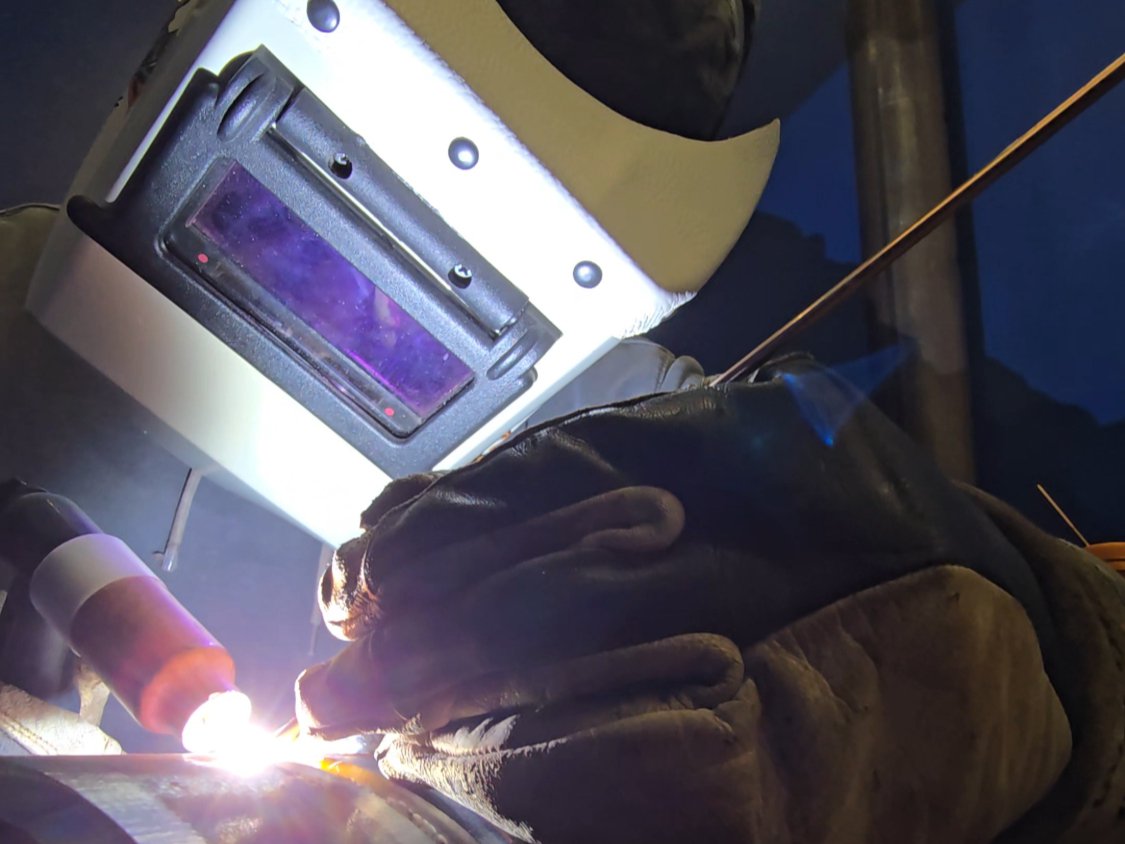
This is why so many cast-iron repairs fail. The welder runs a bead without preparation, the casting cools too fast, and cracks appear within minutes or hours. Knowing this behavior is essential before you even pick up an electrode.
Pre-Heating Requirements for Cast Iron Welding
Pre-heating is one of the most critical steps in cast iron welding. It slows down the cooling rate and reduces thermal shock to the surrounding metal. This gives the weld zone a chance to cool gradually rather than seize up.
Typical pre-heat temperatures range from 260°C to 649°C. The right temperature depends on the thickness, size, and condition of the casting. Here are the key rules to follow:
Heat the entire casting evenly and slowly, not just the weld area
Never exceed 760°C, as this pushes the material into a critical temperature range that damages the grain structure
Keep interpass temperature below 260°C–371°C to avoid altering the metal's structure
If the casting is too large to fully pre-heat, keep the weld zone warm but not too hot to touch with a bare hand
Some repairs can be done with minimal or no pre-heat, but short weld segments (about 1 inch) and immediate peening are required to manage stress in that case.
Electrode Selection for Cast Iron Welding
Choosing the right electrode is just as important as temperature control. The wrong electrode leads to hard, brittle welds that crack under stress. Your electrode choice depends on whether the repaired area needs to be machined afterward.
Here's how electrode selection breaks down for common cast iron welding techniques:
Nickel electrodes (ENi-CI, 99% Ni): Best for single-pass welds or where machinability matters. Nickel doesn't harden as aggressively in the heat-affected zone, making the weld more workable after it coolsreliance-foundry+1
55% Nickel electrodes (ENiFe-CI): A strong choice for multi-pass welds. Softer and more machinable than pure steel electrodes
Steel electrodes (ESt / Ferroweld): Lower cost and suitable when the weld area doesn't need machining, and rusting along with the surrounding cast iron is acceptable
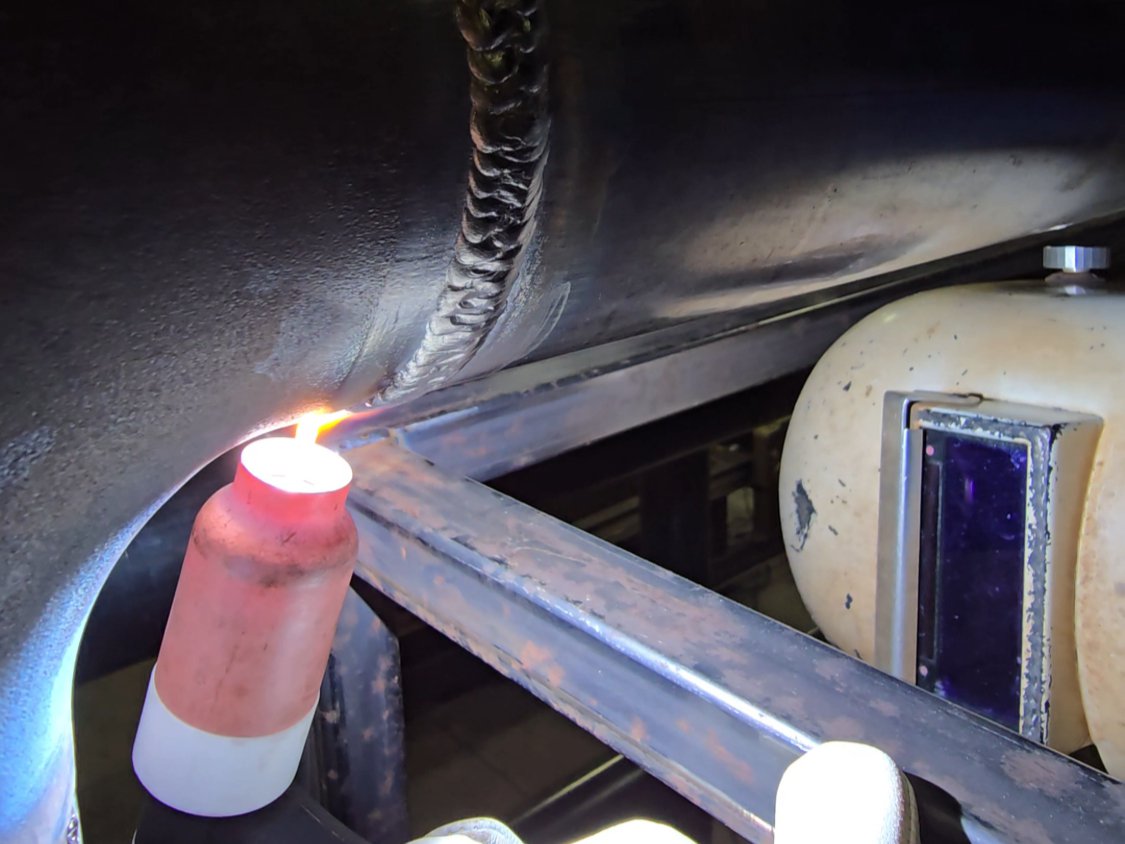
Nickel-based electrodes generally perform the best across most cast iron repair jobs. They minimize the risk of cracking in the heat-affected zone and produce a ductile weld deposit.
Post-Weld Heat Treatment
Post-weld heat treatment (PWHT) is what protects your weld after the arc goes out. Without it, residual stresses remain in the casting, and cracks can develop over time. PWHT also softens any hardened zones that formed during welding.
The level of treatment depends on how much stress relief is needed:
Minimal stress relief: Heat slowly to 480°C and cool in still air
Moderate stress relief and softening: Heat to 590°C and cool in still air, reducing residual stress to roughly half
Maximum softening: Heat to 900°C, then furnace cool slowly to produce a ferritic matrix that is nearly free of residual stress
Whenever possible, perform PWHT immediately after welding, before the casting has a chance to cool down. Wrapping the casting in an insulating blanket or burying it in dry sand are effective ways to slow cooling when a furnace isn't available.
How AWA Builds the Foundation for Cast Iron Welding
Cast iron welding techniques are not entry-level skills. They require a solid understanding of heat management, metallurgy, and weld behavior that comes from structured, hands-on training. Rushing into specialized repairs without that foundation leads to failed welds and damaged equipment.
At American Welding Academy, programs are designed to give students the real-world skills and technical knowledge they need before stepping onto a job site. Instructors work closely with students to ensure they understand not just how to run a bead, but why each step matters. Those fundamentals are exactly what prepare you for advanced work like cast iron welding down the road.
If you're ready to build a welding career on a solid foundation, we'd love to help you get started. Visit our website at www.awaweld.com or call us at (636) 800-9353 to learn more about our programs and enrollment options.
Frequently Asked Questions
Can you weld cast iron without pre-heating it?
Yes, but it requires a very specific technique. You must keep the casting warm (around 38°C), use short 1-inch weld beads, peen each bead while it's still warm, and allow the area to cool naturally before continuing. This method is riskier and is best reserved for situations where full pre-heating is not practical.
What causes porosity in cast iron welds?
Porosity in cast iron is often caused by contamination from oil, grease, or old paint that has soaked into the casting over time. Cast iron is porous by nature, and those contaminants release gases when heated. Thorough cleaning and pre-heating help drive out trapped gases before welding begins.
Is MIG or stick welding better for cast iron?
Stick welding with nickel-based electrodes is the most widely used method for cast iron repair. It gives the welder good control over heat input and works well for the slow, deliberate approach cast iron requires. GMAW (MIG) and FCAW can also be effective, but electrode selection and technique adjustments are critical.
