


Environmental and Safety Compliance in Welding Shops: Regulations Every Fabricator Must Know
Working in busy fabrication shops comes with real, everyday responsibilities. Safety and environmental compliance represent strict legal requirements that every welder and shop owner must follow. They are never optional choices for workers.
Adhering to these regulations is key to protecting your personal health, your nearby coworkers, and the surrounding environment. This article covers the core compliance areas every modern fabricator needs to understand.
Air Quality Standards in Fabrication Shops
Welding produces fumes, gases, and fine particles. These can cause serious health problems when inhaled over time. The OSHA sets permissible exposure limits (PELs) for common welding byproducts. Manganese, hexavalent chromium, and iron oxide are frequent concerns in shop environments.
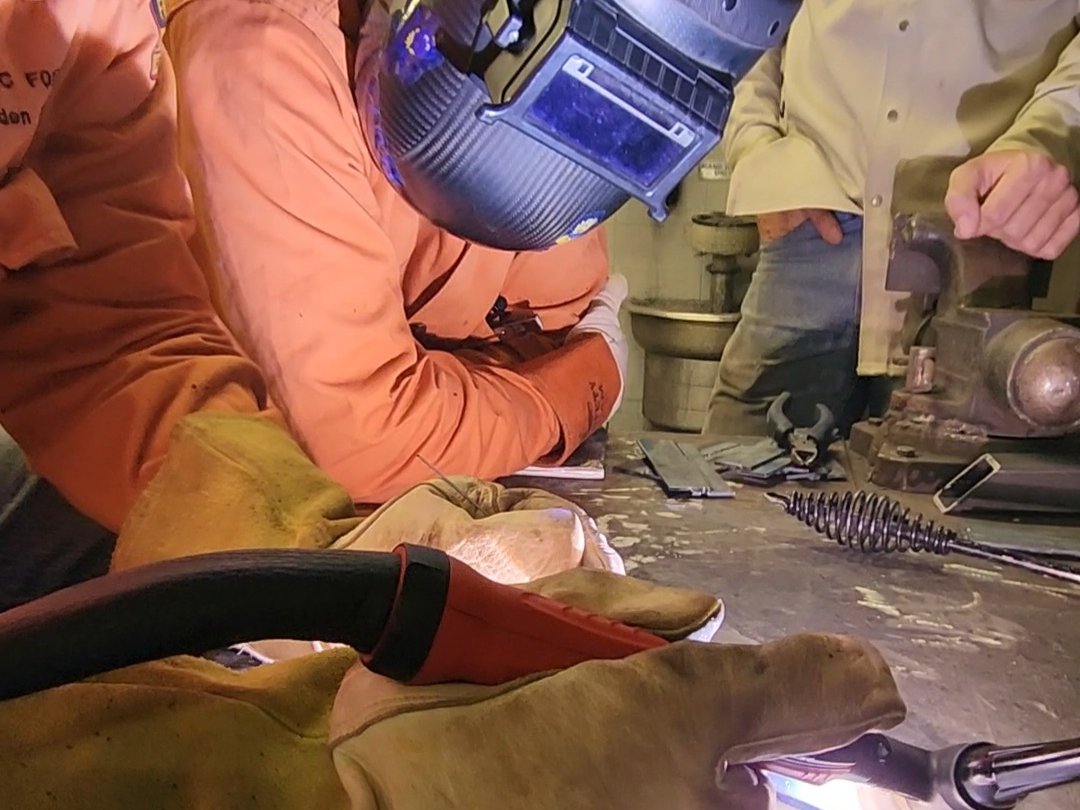
Fabrication shops must monitor air quality on a regular basis. They must also meet EPA standards for airborne pollutants. Failing to do so can result in costly fines and potential shutdowns.
Key air quality obligations for welding environments include:
Install and maintain local exhaust ventilation (LEV) systems near work areas
Conduct routine air monitoring to track exposure levels
Keep detailed records of all air quality testing and inspections
Provide respiratory protection when ventilation is not sufficient
Review material safety data sheets (SDS) for every material used in the shop
Ventilation and Fume Control in Welding Workshops
Proper ventilation is a critical part of welding safety. Without it, toxic fumes accumulate quickly. OSHA standard 1910.252 addresses ventilation requirements specifically for welding operations.
Natural airflow alone is rarely enough. Most welding workshops require mechanical systems. Local exhaust systems should be positioned close to the fume source. In larger spaces, general dilution ventilation may also be necessary.
Shops working with coated, painted, or galvanized metals face additional hazards. These materials release more harmful compounds when heated. Ventilation capacity must account for that increased risk.
Hazardous Waste Management in Fabrication Shops
Fabrication shops generate several types of regulated waste. Grinding dust, spent electrodes, slag, and used solvents are common examples. Some of these materials fall under hazardous waste classifications per the EPA's Resource Conservation and Recovery Act (RCRA).
Shops must properly label, store, and dispose of all hazardous materials. Improper disposal carries serious legal and financial consequences. It can also cause lasting environmental damage.
Core hazardous waste responsibilities include:
Identify and classify all waste produced in the shop
Use approved, clearly labeled containers for hazardous materials
Partner with licensed and certified waste disposal vendors
Maintain disposal records as required by federal and local law
Train all shop personnel on proper waste handling procedures
PPE Requirements and OSHA Welding Standards
OSHA regulations under 29 CFR 1910 and 1926 cover welding safety across both general industry and construction. These standards define the minimum personal protective equipment (PPE) requirements for welding operations.
Welders must wear helmets with the correct lens shade for the process being performed. Flame-resistant clothing, leather gloves, and steel-toed boots are also required. In high-noise environments, hearing protection is mandatory.
Shop owners are responsible for providing PPE. They must also verify it is being used correctly. Training and documentation records must be kept on file. OSHA inspectors request these records during audits. Beyond PPE, shops must maintain clear emergency procedures. Fire extinguishers, first aid kits, and eyewash stations must be accessible and properly maintained at all times.
The Foundation of a Strong Welding Career
A strong career in the trade begins with a high-quality welding education. At the American Welding Academy, training goes well beyond basic technique. Programs are specifically structured to develop solid, foundational skills while instilling essential workplace standards, professional expectations, and safety habits that hold genuine value in any shop environment.
Students at AWA earn their credentials by meeting rigorous code standards without shortcuts, a commitment to quality that truly sets them apart when it comes to hiring.
Ready to start your journey with the right preparation? Get in touch today by visiting American Welding Academy online at www.awaweld.com or calling (636) 800-9353.
Frequently Asked Questions
Q: What is the difference between OSHA and EPA compliance in a welding shop?
OSHA focuses on worker safety inside the shop. This includes fume exposure limits, PPE requirements, and equipment standards. The EPA focuses on environmental impact outside the facility. This covers air emissions and hazardous waste disposal. Both agencies have authority over fabrication shop operations.
Q: Are small fabrication shops held to the same standards as larger facilities?
Generally, yes. Most OSHA and EPA regulations apply regardless of shop size. Some EPA programs do have tiered requirements based on the volume of hazardous waste a facility generates. However, core safety and environmental standards apply across the board.
Q: How often should a welding shop conduct a safety audit?
There is no single universal requirement. Industry best practices recommend at least one internal audit per year. Shops should also conduct reviews after any incident, equipment change, or introduction of new materials or processes.
