


Bridge and Infrastructure Repair: Critical Welding Work | American Welding Academy
Welding work plays a central role in keeping America's aging national infrastructure safe and functional. Bridges, overpasses, and public structures decline faster than many people realize. Thousands of these structural components require ongoing maintenance, reinforcement, and critical repair daily.
This field offers one of the most technically demanding applications in the welding trade. Infrastructure repair requires extreme precision, correct techniques, and a thorough understanding of safety codes. For serious trade students, this specialty represents a deeply meaningful and lasting career path.
Infrastructure Welding Work in the U.S.
The scope of infrastructure repair across the country is massive. Bridges, tunnels, overpasses, and steel-framed public buildings all require regular maintenance. Steel naturally deteriorates over time. Weather, heavy traffic loads, and years of constant wear all take a severe toll. Welders repair cracks, reinforce connections, and replace compromised components.
This type of welding work is highly complex. It demands experience, active industry certifications, and a deep foundation of practical skill. Every experienced infrastructure welder started exactly where you are today. The career path begins with proper foundational training.
Welding Techniques Used in Bridge and Infrastructure Repair
Welders need to master diverse techniques to tackle different projects, materials, and environments. Each specialized process plays a specific role in vital welding work.
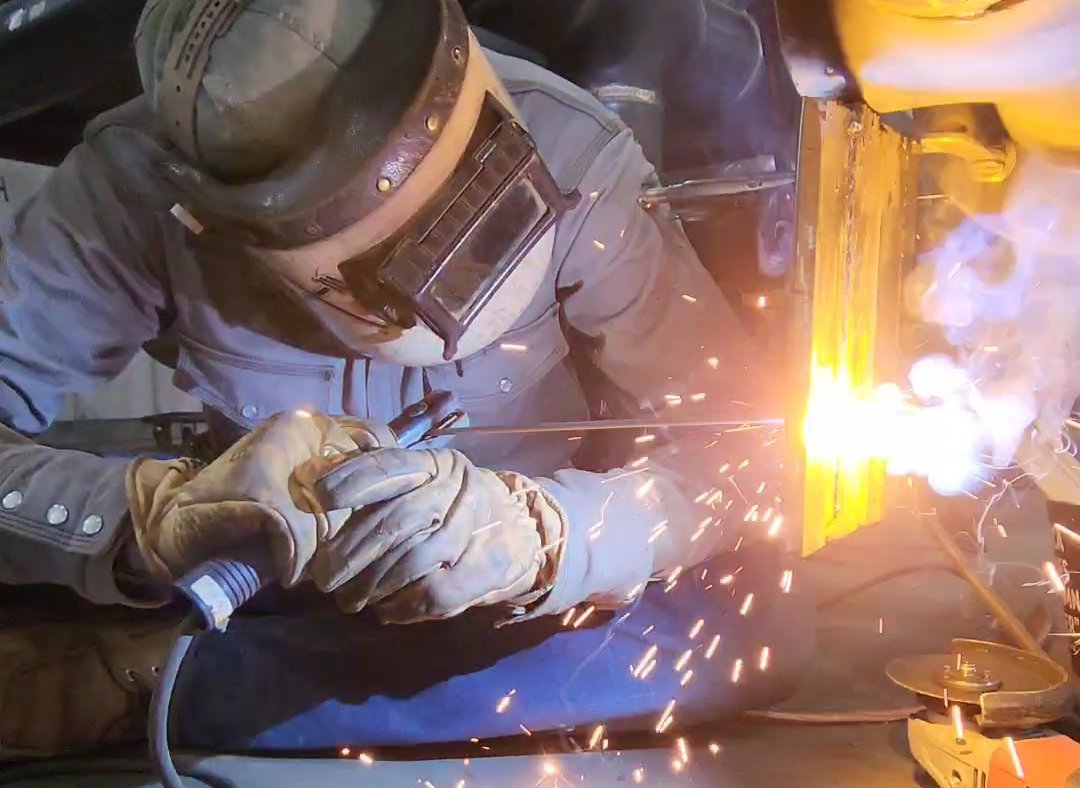
Shielded Metal Arc Welding (SMAW): This portable, versatile process serves field repairs on bridges and structural steel.
Flux-Cored Arc Welding (FCAW): This method efficiently joins the thicker steel materials common in heavy structural supports.
Gas Metal Arc Welding (GMAW/MIG): Operators apply this process in controlled shop environments for cleaner welds.
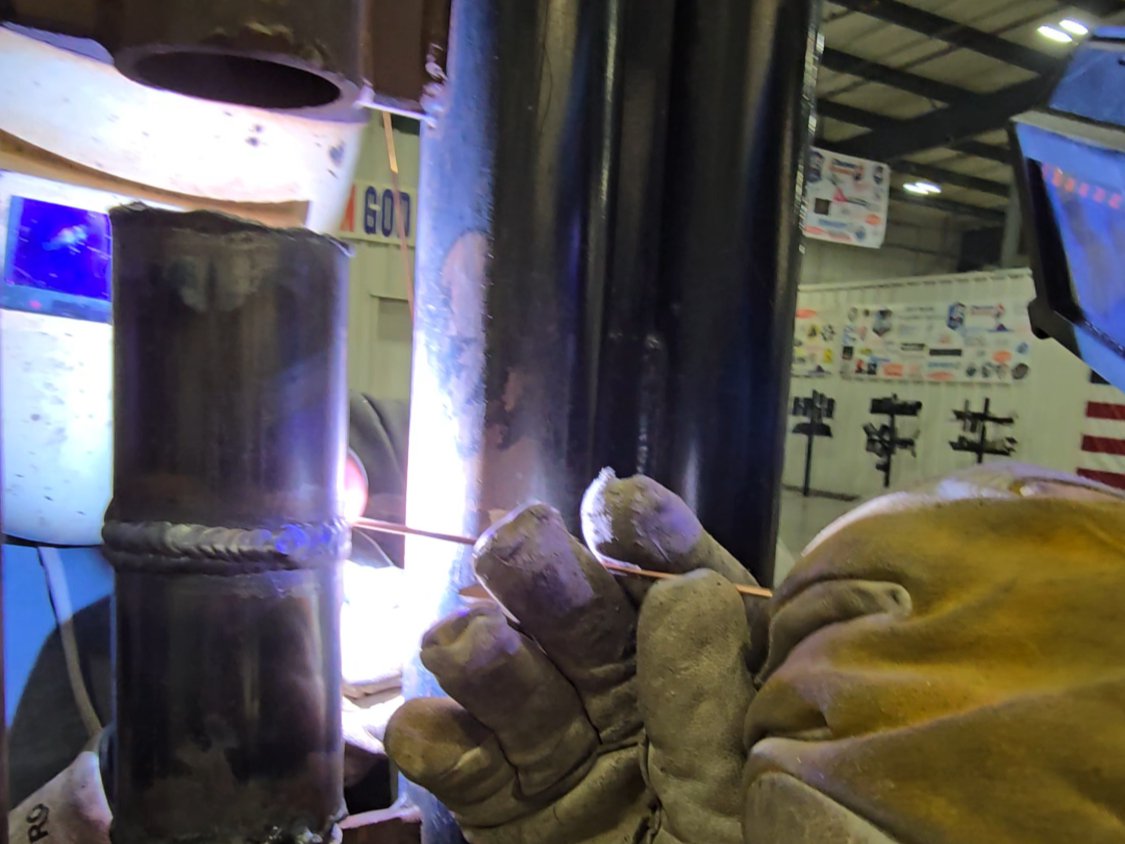
Gas Tungsten Arc Welding (GTAW/TIG):This arc welding process uses a non-consumable tungsten electrode to create an arc and join metal. It requires shielding gas, mostly pure argon or argon mixed with helium.
Mastering these procedures is incredibly important. Knowing when to deploy each one is a completely separate, critical skill. Hands-on training and practice develop that vital field judgment.
Safety Standards That Govern Infrastructure Welding Work
Safety is never optional in infrastructure repair. Welders on bridge and structural projects must operate within strict industry codes. The American Welding Society (AWS) publishes many of the standards that govern this critical work. These rules cover weld quality, testing procedures, and specific welder qualifications. Certified inspectors regularly verify your welds directly on the job site.
A welder who cannot pass qualification tests does not earn clearance for structural projects. This reality explains why code compliance matters from your very first day of training.
Key requirements for infrastructure welders include:
Following AWS D1.1 (Structural Welding Code for Steel) guidelines
Passing welder qualification tests before performing any structural welds
Observing site-specific safety protocols for working at heights or in confined spaces
Wearing appropriate personal protective equipment at all times
Meeting documentation and inspection standards for all structural welds
These are baseline requirements, not optional guidelines, because everyday citizens depend on the safety of your structures, and a single mistake can put thousands of commuters at serious risk.
Starting Your Path: Trade School and Welding Certificate Programs
Entering infrastructure welding requires a strong starting point. A dedicated welding trade school offers the most direct way to build that foundation. Welding certificate programs develop core competencies, including blueprint reading, metallurgy basics, and hands-on practice.
Graduates do not automatically enter advanced infrastructure assignments immediately. Instead, they must possess the foundational skills necessary to pursue official certifications and accumulate real experience. That educational base opens professional doors over time.
The American Welding Academy (AWA) offers specialized welding certificate programs in pipe welding, pipe fitting, and fabrication. Instructors deliver a hands-on, code-focused curriculum. AWA also heavily emphasizes comprehensive professional development. Workplace conduct, financial literacy, and job-site expectations all enrich the training program.
If you are drawn to a trade with real-world impact, welding is absolutely worth exploring. Start with a program that takes your training seriously. Visit American Welding Academy at www.awaweld.com to learn about our welding certificate programs, or call us directly at (636) 800-9353.
Frequently Asked Questions
Do I need previous welding experience to enroll in a certificate program?
No prior experience is typically required. Entry-level programs are designed to teach foundational skills from the ground up. You will learn everything you need as part of the curriculum.
Are welding certifications required to work on bridge or infrastructure projects?
Yes. Most structural and bridge welding projects require welders to hold active certifications. These are earned through formal qualification tests, not coursework alone. Employers and inspectors take these credentials seriously.
