


Preventive Maintenance: Avoiding Burnout in Welding Careers | American Welding Academy
Burnout does not arrive all at once. It builds quietly through long shifts, physical strain, and mental pressure that go unchecked. For people in welding careers, the risk can feel unavoidable because the work is demanding and expectations remain high. Yet longevity in the trade is not about pushing harder every year. It is about applying the same preventive mindset used on equipment to personal well-being, habits, and professional choices.
Sustainable success comes from recognizing warning signs early and adjusting before fatigue turns into injury or disengagement. When welders treat themselves as valuable assets, their careers last longer and feel more rewarding along the way.
Creating Balance Without Sacrificing Pride in Welding Careers
Work-life balance often sounds unrealistic in hands-on trades, but balance does not require fewer responsibilities. It requires boundaries. Scheduling consistent rest days, protecting sleep, and limiting unnecessary overtime can reduce exhaustion without reducing dedication.
Another helpful approach involves separating identity from output. Pride in craftsmanship is healthy, yet self-worth should not depend entirely on production volume. When individuals allow recovery time, focus improves, and mistakes decline. That approach protects both safety and reputation.
Time outside the shop also matters. Hobbies, family routines, or quiet activities provide mental distance that prevents constant stress buildup. Even small changes, such as leaving work conversations at the gate or avoiding job-related screens before bed, can restore energy over time.
Physical Conditioning as Welding Careers Insurance
Welding as a skill places repeated demands on joints, muscles, and posture. Ignoring physical conditioning often shortens careers more than a lack of skill. Simple habits make a difference. Stretching before shifts, strengthening core muscles, and addressing discomfort early help prevent chronic problems.
Nutrition and hydration also influence endurance. Long hours combined with poor fuel increase fatigue and slow reaction time. Choosing balanced meals and steady water intake supports focus during detailed tasks.
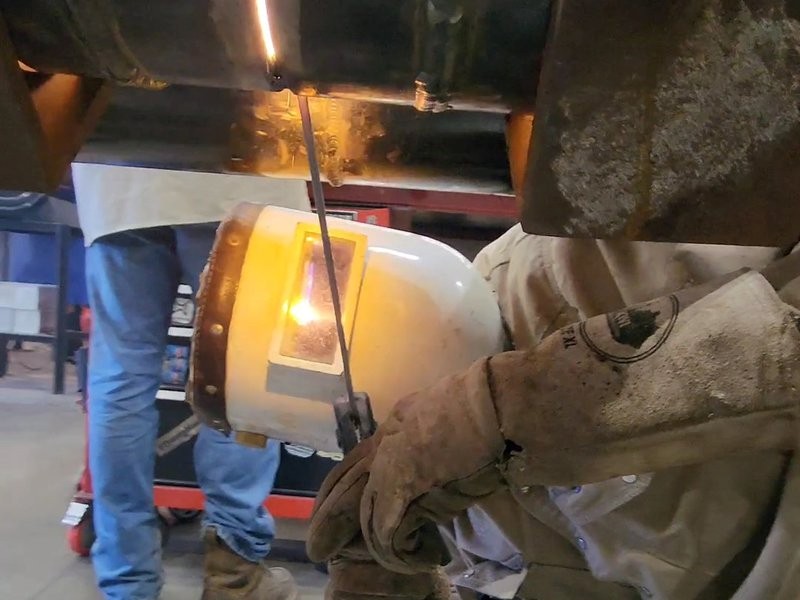
Protective equipment should never be optional. Gloves, helmets, and ergonomic support preserve long-term capability. Many career-ending injuries begin as minor strains that were dismissed or worked through. Treating pain as information rather than an inconvenience protects future earning ability.
Mental Resilience, Satisfaction, and Avoiding Career-Ending Errors
Mental strain in welding careers often hides behind physical tiredness. Stress management begins with awareness. Recognizing frustration, irritability, or lack of motivation allows early course correction. Talking with peers, mentors, or supervisors can normalize challenges and reduce isolation.
Finding satisfaction in daily tasks also supports resilience. Mastery grows through small improvements, cleaner beads, better fit-ups, and smoother coordination. Not every day needs dramatic progress to feel meaningful. Consistent competence builds confidence and pride.
Avoiding career-ending mistakes requires patience. Rushing jobs, ignoring safety steps, or working while exhausted increases risk. Many setbacks come from overconfidence or pressure to perform beyond limits. Choosing caution over speed protects health and credibility.
Long-term sustainability depends on adapting goals over time. Shifting toward inspection roles, mentoring, or specialized processes can reduce physical load while keeping expertise relevant. Planning ahead keeps careers flexible rather than fragile.
Building a Durable Future With the Right Training Foundation
Career longevity begins with education that emphasizes safety, discipline, and realistic expectations. The American Welding Academy approaches training with the understanding that careers are marathons, not sprints. Instruction focuses on proper technique, code awareness, and habits that protect bodies and minds over decades of work.
Students learn that professionalism includes self-care, attention to detail, and respect for limits. That mindset prepares graduates for consistent performance rather than short bursts followed by burnout. Guidance from experienced instructors helps welders recognize how early choices influence long-term outcomes.
Whether you're exploring welding as a career option or looking to advance your existing skills, hands-on training with experienced instructors makes all the difference. Structured programs provide the guidance, equipment, and practice opportunities needed to progress efficiently from foundational techniques to advanced expertise. With the right support and dedication, you can build a rewarding career in the welding trades. At the American Welding Academy, we’re here to support your growth. Contact us online or call (636) 800-9353 to learn more about enrollment, program details, and how the American Welding Academy can help you launch a career that lasts.
Check out our website for competitions, images, and start dates: https://awaweld.com/
