


Stainless Steel Welding Mastery Preventing Contamination and Distortion
Stainless steel is everywhere in modern fabrication. You will find it in food processing equipment, medical devices, architecture, and chemical plants. Stainless steel welding is a specialized skill that requires more attention to detail than welding mild steel. The metal behaves differently under heat, and small mistakes can lead to big problems.
Contamination, distortion, and a process called sensitization are the most common challenges welders face. Understanding these issues is the first step toward producing strong, clean welds.
Stainless Steel Welding: Why It Behaves Differently Under Heat
Stainless steel contains chromium, which gives it corrosion resistance. This chromium content also changes how the metal reacts to heat. Stainless steel conducts heat much slower than carbon steel. It also expands more when heated and contracts more when cooled.
This combination creates unique challenges. Heat builds up in a smaller area instead of spreading out. That concentrated heat can cause warping, especially in thin sheets. Welders need to manage heat input carefully to avoid these problems.
Stainless steel also requires cleaner conditions than carbon steel. Any contamination from carbon steel tools or grinding dust can compromise the weld. This is why dedicated tools and clean workspaces matter so much in stainless steel welding.
Common Causes of Contamination in Stainless Steel Welding
Contamination is one of the biggest threats to a quality stainless steel weld. It can weaken the metal and cause rust spots later, even if the weld looks fine at first.
Here are some common sources of contamination:
Carbon steel particles transferred through shared tools or grinding wheels
Oil, grease, or dirt left on the metal surface before welding
Improper shielding gas coverage, which allows oxygen to reach the weld
Touching the weld area with bare hands, transferring skin oils
Using the wrong filler metal for the base material
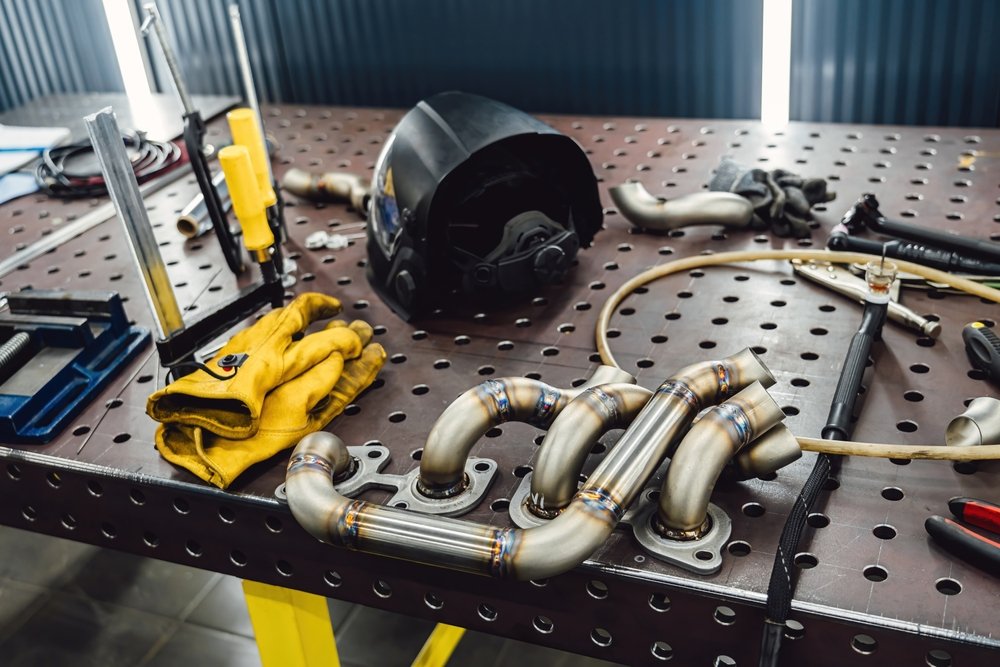
Preventing contamination starts with good habits. Welders should use separate tools for stainless steel projects. Surfaces need thorough cleaning before any arc is struck. Many shops color-code their stainless tools to avoid mix-ups with carbon steel equipment.
Understanding Distortion in Stainless Steel Welding and How to Control It
Distortion happens when uneven heating and cooling cause metal to warp. Stainless steel is more prone to this than carbon steel. Its higher thermal expansion rate means it moves more during welding.
Welders can reduce distortion using a few proven techniques. Lower heat input helps limit the expansion and contraction cycle. Using a backstep or skip welding sequence spreads heat more evenly. Clamping and fixturing the workpiece also helps hold its shape during cooling.
Choosing the right welding process matters too. Some processes naturally produce less heat than others. Gas Tungsten Arc Welding, often used on thinner stainless materials, allows precise heat control. This makes it a popular choice when distortion is a major concern.
What Sensitization Means for Weld Quality
Sensitization is a less commonly discussed issue, but it is just as important. It happens when stainless steel is held in a certain temperature range for too long. This causes chromium to bond with carbon in the metal instead of staying available to resist corrosion.
The result is a weakened zone near the weld that becomes vulnerable to corrosion. This is sometimes called weld decay. It can compromise the structural integrity of the part over time.
Welders can reduce sensitization risk by controlling cooling rates. Faster cooling through the danger zone helps prevent the chromium carbide formation. Using low carbon stainless steel grades also reduces this risk significantly. Many fabrication shops specify these grades for projects that will face corrosive environments.
Building Skills for a Demanding Trade
Stainless steel welding is not a skill that develops overnight. Welders need hands-on practice to understand how the metal responds in different conditions.
This is where hands-on training makes a difference. Reading about heat control is useful, but applying it under guidance builds true competence. Students need repeated practice cleaning surfaces, adjusting heat settings, and inspecting their own welds for defects.
At the American Welding Academy, our instructors collaborate closely with students to establish essential, reliable skills that align with real-world shop floor standards. Mastering these core fundamentals is key to building a successful career, whether you pursue fabrication, pipe welding, or another specialized branch of the field.
If you are prepared to develop dependable, practical welding expertise, we are here to support your journey. Explore our training programs by visiting awaweld.com, or give our team a call at (636) 800-9353 to get started today.
Frequently Asked Questions
Is stainless steel harder to weld than mild steel?
Many welders find it more demanding because of its heat sensitivity. It requires more attention to cleanliness and heat control compared to mild steel.
What shielding gas is typically used for stainless steel welding?
A mix of argon and a small percentage of carbon dioxide or helium is common. The exact mix depends on the welding process and the specific application.
Can stainless steel be welded to carbon steel?
Yes, but it requires the correct filler metal designed for dissimilar metals. Proper technique is essential to avoid weak or brittle joints.
