


Troubleshooting Weld Defects: Solutions for Porosity & Cracking | American Welding Academy
Even experienced fabricators face the frustration of compromised structural integrity caused by common welding defects. Whether triggered by surface contamination, improper heat input, or inconsistent shielding gas flow, issues like porosity, cracking, and root pass failure can quickly turn a precise job into expensive rework. Identifying the root cause early is essential to maintaining joint strength, staying on schedule, and meeting strict code standards.
This guide breaks down the underlying mechanisms behind these critical flaws and offers practical, shop-tested troubleshooting steps to help you diagnose, correct, and prevent them on every pass.
Identifying Common Welding Defects
Before you can fix a welding problem, you need to recognize it. Visual inspection is the first line of defense. Look at your weld bead closely after each pass. Signs of issues include surface irregularities, discoloration, pitting, or visible cracks. Some welding defects are obvious. Others require a trained eye. Learning to read a weld bead takes practice and patience.
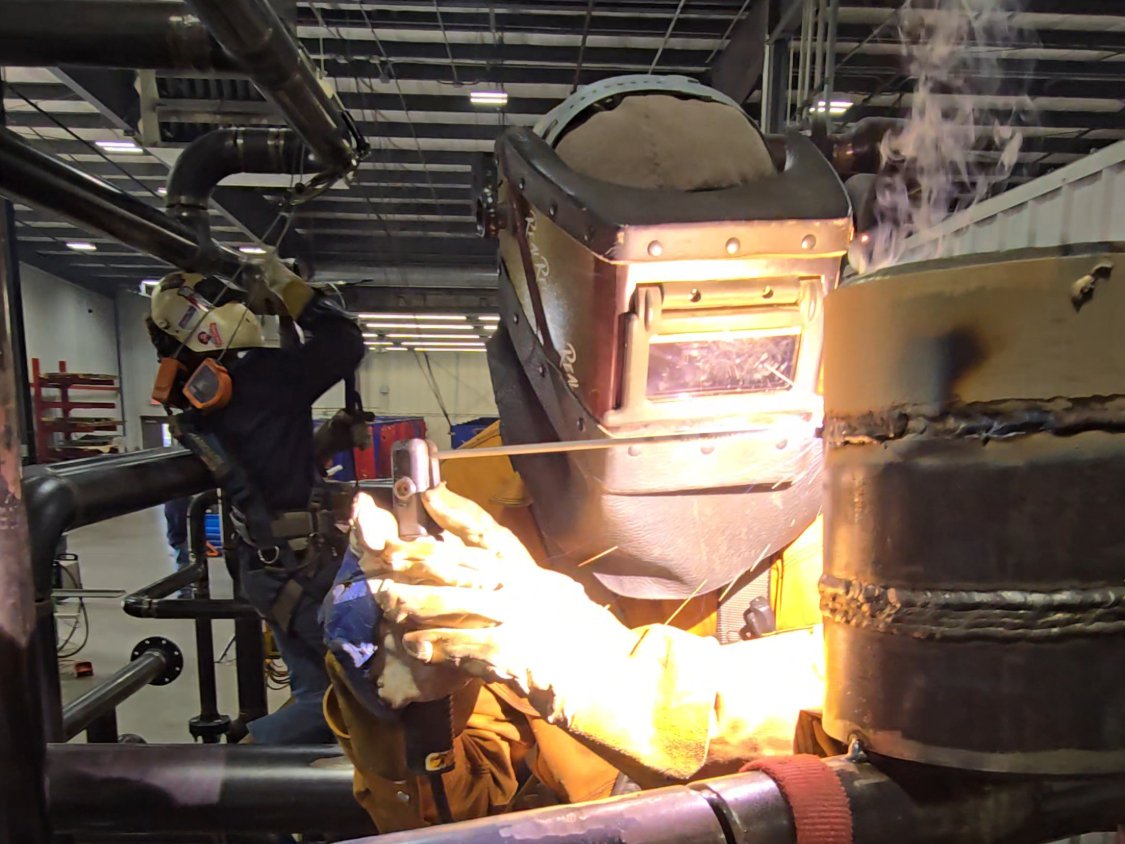
Common visual signs to watch for include:
Porosity: Small holes or pits on or just below the weld surface
Cracking: Linear separations that run along or across the weld
Incomplete fusion: Areas where weld metal did not bond with the base metal
Root pass failure: Gaps or voids at the bottom of a weld joint
Understanding Porosity: Causes and Prevention
Porosity is a frequent problem for new welders in the shop. Trapped gas forms small voids inside the solidifying bead as it cools. This hidden flaw weakens the entire structure of your project.
The most common causes include:
Contaminated base metal such as oil, rust, moisture, or paint
Improper shielding gas coverage or incorrect flow rates
Incorrect travel speed or arc length
Damp or damaged filler material
Prevention starts before you strike an arc. Always clean your base metal thoroughly. Check your gas hose connections and confirm your flow rate. Store filler rods and wire correctly to keep moisture out. These habits make a significant difference in weld quality.
Cracking and Root Pass Failure Explained
Cracking is a more serious concern. It can occur during or after welding. There are several types, including hot cracking, cold cracking, and crater cracking. Each has its own cause.
Hot cracking happens when the weld cools too quickly. Cold cracking, often called hydrogen cracking, occurs after the weld has fully cooled. It is frequently linked to high-strength steels and moisture exposure. Crater cracking forms at the end of a weld bead when the arc is broken too abruptly.
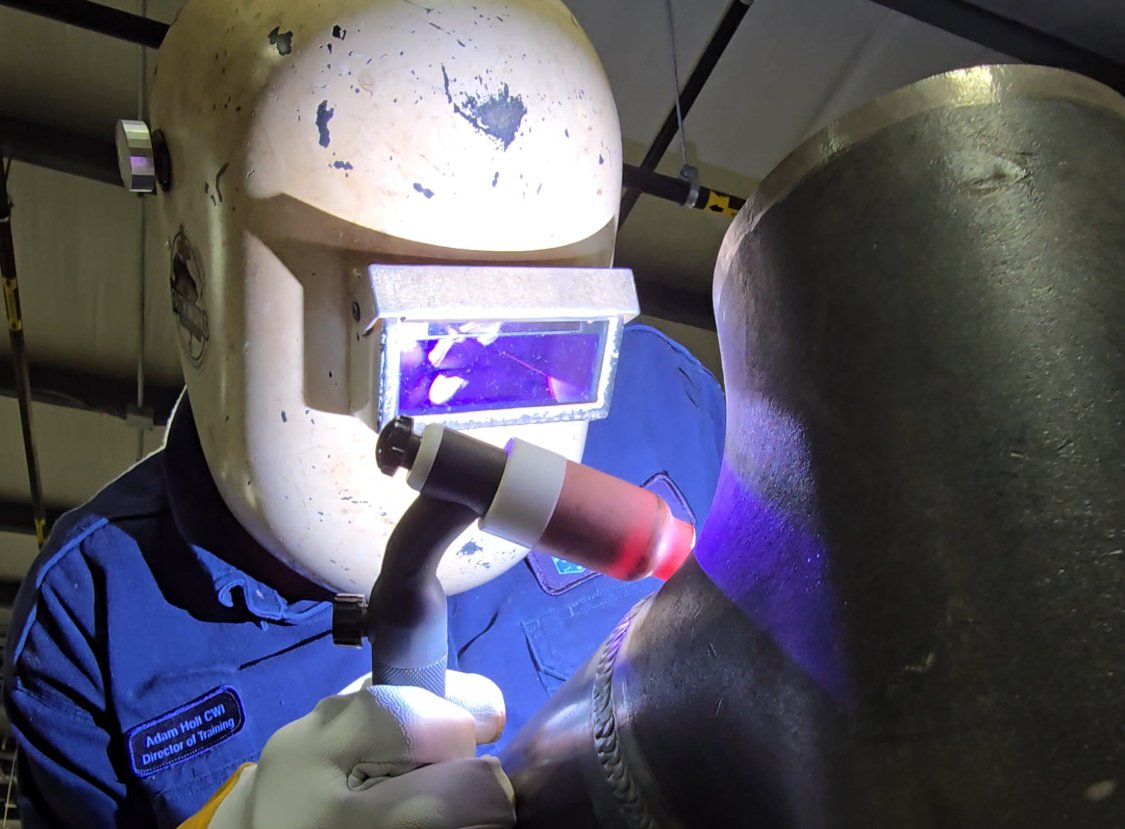
Root pass failure is a major concern in pipe welding. The root pass is the first weld placed at the bottom of a joint. It forms the foundation for every pass that follows. Gaps, burn-through, or lack of fusion at the root can cause the entire weld to fail inspection. Proper fit-up, correct amperage, and a steady travel speed are all essential to a solid root pass.
Repairing Welding Defects
Not every defect means starting over. Some can be repaired correctly. However, a poor repair can create new problems if rushed.
For porosity, grind out the affected area until clean metal is visible. Then re-weld that section. For cracks, identify the full length of the crack first. Grind past both ends to prevent spreading. Then fill and blend the repair weld carefully.
Root pass failures often require removing the entire pass. Grinding or arc gouging back to clean metal is necessary. Skipping steps here is a mistake. Taking time to repair correctly protects the integrity of the final weld. These repair habits are part of welding basics that every new welder should build early in their training.
Master Your Craft at the American Welding Academy
Eliminating frustrating weld defects requires more than trial and error—it demands an expert understanding of metallurgy, precise machine setup, and proper technique. Whether you are aiming to eliminate porosity, stop cracking before it starts, or perfect your root pass execution, formal training bridges the gap between basic fabrication and code-quality mastery.
Ready to elevate your skills and secure your competitive edge in the industry? Connect with us at the American Welding Academy to explore our hands-on certification programs, learn from industry-leading instructors, and master the advanced techniques needed to deliver flawless welds every time. Visit our website at awaweld.com or call us at (636) 800-9353.
Frequently Asked Questions
Q: Can welding defects be prevented entirely?
A: Most defects can be minimized with good preparation habits and consistent technique. Even skilled welders encounter occasional issues. The goal is to recognize them quickly and address them correctly.
Q: Do all welding defects automatically fail inspection?
A: Not always. The outcome depends on the defect type, size, location, and the applicable welding code. Some minor surface irregularities fall within acceptable limits. Others result in rejection. Learning the relevant code standards helps you understand what is and is not permissible.
Q: Is visual inspection enough to catch all defects?
A: Visual inspection is a valuable first step, but it does not catch everything. Internal defects may not be visible to the naked eye. Professional environments often use radiographic or ultrasonic testing to detect subsurface flaws. For newer welders, mastering visual inspection and consistent technique is the right place to start.
Q: How does understanding defects help with entry-level welding jobs?
A: Employers expect workers to understand quality standards from day one. Knowing how to identify and prevent defects demonstrates professionalism. It also reduces costly rework, which makes you a more valuable team member.
