



Welding Equipment Guide: Understanding Tools for Success | American Welding Academy
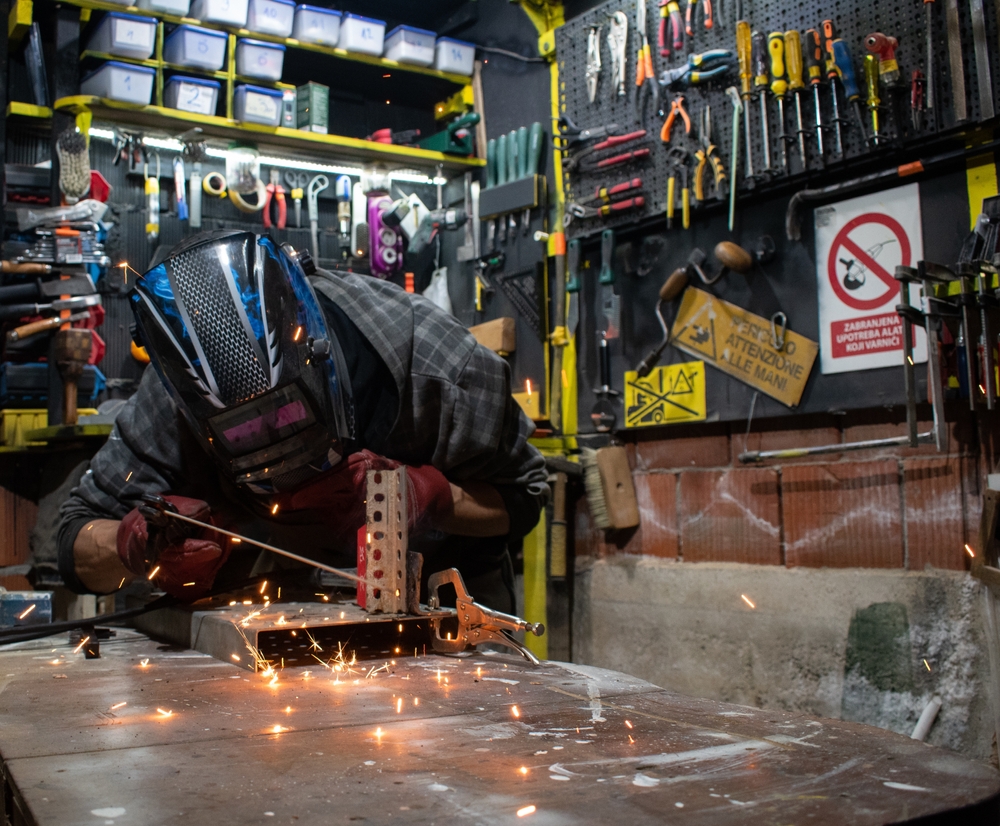
Every welder's journey begins with the right welding equipment. Your ability to handle and maintain these tools directly impacts the strength, precision, and safety of every weld you make. Without proper knowledge, even advanced techniques will fall short of their potential.
For those exploring a career in welding, mastering your equipment is an essential first step. By learning how each component works together, you'll gain confidence, prevent errors, and improve your overall results. Over time, your tools become more than just machinery; they become your partner in creating quality work that lasts.
Understanding the Foundation of Your Craft
Welding equipment serves as the backbone for all welding processes. Each part, from cables and torches to power sources, plays a specific role in producing consistent, reliable results. When you understand your tools, you can make informed adjustments that enhance both performance and safety.
Knowing your equipment helps you adapt to different materials and working conditions. As you develop your skills, you'll notice how proper setup saves time and reduces material waste. Taking the time to fully understand how each tool functions ensures every project meets professional standards.
Machine Types and Their Capabilities
Choosing the correct machine is vital for quality workmanship. Understanding the purpose and capability of different welding equipment helps you match the right tool to each task, leading to cleaner welds and better control over the final product.
Here are five major types of welding machines to become familiar with:
MIG Welders: Great for beginners, these machines provide a steady arc and work well on thinner materials like sheet metal.
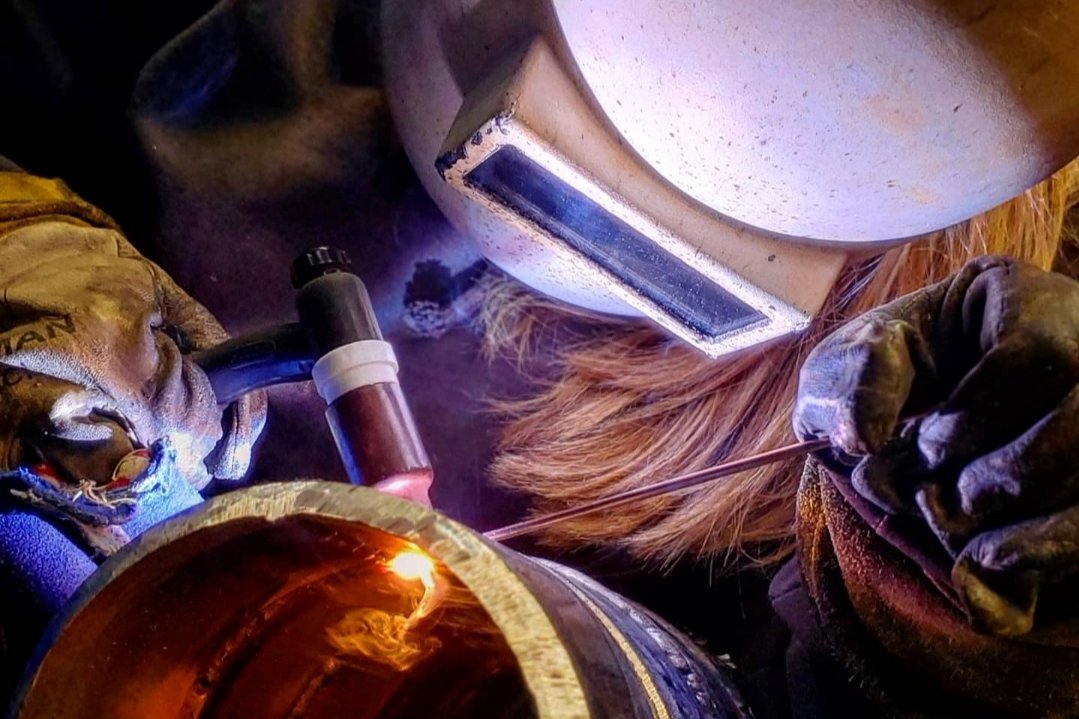
TIG Welders: Known for precision, they allow excellent control for clean, detailed work on stainless steel and aluminum.
Stick Welders: Durable and dependable, they perform well outdoors and are effective on thicker metals.
Flux-Cored Welders: Ideal for high-output projects, these machines handle heavy-duty work where speed and penetration matter.
Multi-Process Welders: Offering flexibility, they combine several welding types into one machine, allowing quick adaptation to different projects.
With a thorough understanding of each machine's capabilities, you can confidently select equipment that consistently delivers accurate, professional-quality welds in any setting.
Safety Features and Maintenance Best Practices
Maintaining your welding equipment is crucial for both safety and performance. Proper care prevents breakdowns, extends service life, and ensures every weld is both safe and strong. Developing consistent maintenance habits keeps you efficient and protected on the job.
Here are five essential safety and maintenance practices to follow:
Inspect Before Use: Always check your cables, hoses, and connectors for signs of wear or damage before starting to prevent costly repairs and dangerous situations.
Clean Regularly: Keep vents, surfaces, and nozzles free of dust and debris to maintain consistent performance and prevent overheating.
Calibrate Settings: Double-check your voltage and amperage before each session to match your material and desired results.
Replace Worn Parts: Switch out contact tips, liners, and nozzles as soon as they show signs of wear to maintain arc stability and weld quality.
Store Properly: Place your welding equipment in a clean, dry space to protect it from rust and corrosion.
Following these practices consistently ensures your equipment performs reliably, reduces hazards, and supports long-term success in your welding career.
Consumables and Operational Excellence
Beyond machines, consumables play a significant role in welding performance. Electrodes, filler rods, and shielding gases affect weld quality, strength, and appearance. Understanding how to use these properly ensures your welding equipment operates at its best every time.
Consider these five ways to enhance your efficiency and precision:
Select Quality Consumables: Using reliable products prevents defects and supports cleaner welds with stronger bonds.
Track Usage: Regularly monitor how quickly your consumables wear out to anticipate replacements and avoid project delays.
Follow Manufacturer Guidelines: Each machine operates differently, so use the recommended settings for peak performance and longevity.
Refine Your Technique: Maintain steady movement, torch angles, and distance for even welds and fewer flaws.
Keep Learning: Welding technology evolves, so stay updated on the latest equipment and processes to advance your skills.
When you combine mastery of consumables with proper operation, you can produce high-quality welds efficiently while minimizing costly mistakes.
Building Your Future Through Equipment Knowledge
Mastering your welding equipment is more than a technical skill; it's a pathway to long-term career success. Employers value welders who understand how to operate and maintain their tools safely and efficiently. With this knowledge, you can work faster, produce better results, and adapt to any job environment with confidence.
Comprehensive training programs that combine technical knowledge with real-world application prepare welders for rewarding careers in the trades. Hands-on experience with modern welding equipment and techniques builds the foundation for professional excellence. Ready to take the next step toward a successful welding career? Explore training programs that provide the skills, confidence, and practical experience needed to thrive in this essential trade with the American Welding Academy.
