


TIG Welding for Cleanroom Environments: Semiconductor Industry Guide | American Welding Academy
The U.S. semiconductor industry is expanding fast, and it needs skilled hands to build the infrastructure that makes chip manufacturing possible. New fabrication plants are rising across the country, and at the center of that construction boom is one specialized trade: the TIG welder. This is not ordinary pipe work. Cleanroom welding operates by its own rules, and understanding those rules reveals exactly where the welding trade is headed.
Why Fabs Need Welders
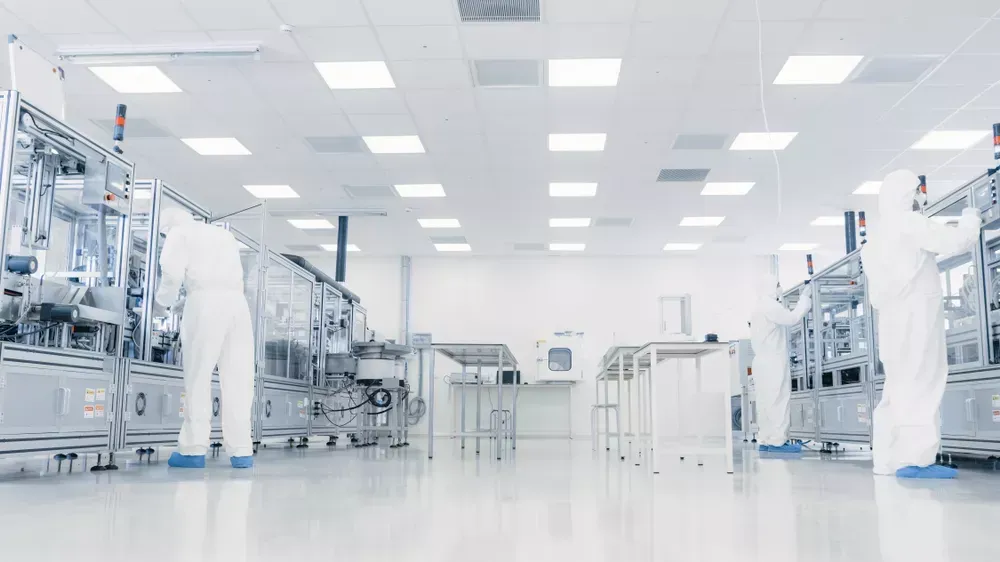
Semiconductor fabrication facilities, called fabs, run on ultra-clean environments. A single airborne particle can destroy a microchip in production. These facilities meet ISO Class 4 or 5 cleanliness standards, which govern everything from air quality to surface purity.
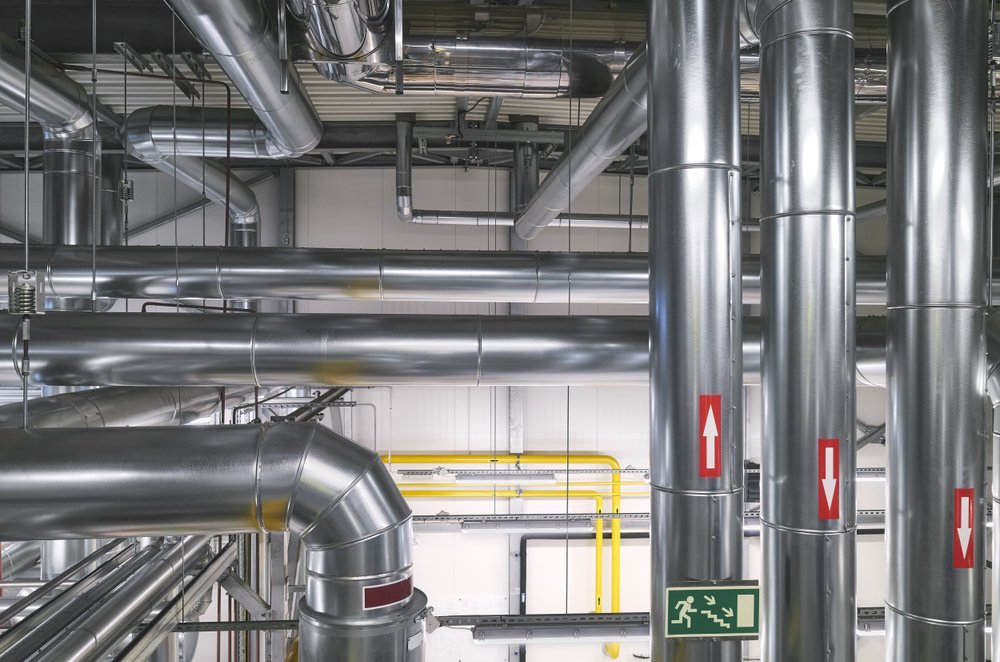
Inside every fab, stainless steel tubing carries ultra-high-purity gases throughout the facility. Those tube joints must be flawless. TIG welding, also called GTAW (Gas Tungsten Arc Welding), is the process these environments demand. Its precise, low-spatter arc produces smooth, consistent weld beads with minimal contamination risk.
New fabs range from 100,000 to 600,000 square feet of cleanroom space. Each square foot needs piping, gas delivery systems, and vacuum assemblies, all welded to exact standards. That volume of work creates sustained, long-term demand for welders who know how to perform in high-purity environments.
What Makes Cleanroom Welding Different
A cleanroom is not a shop floor. The environment itself changes every part of the job, from how you dress to how you set up your tools. Welders follow strict protocols before, during, and after every weld. Shortcuts do not exist here.
Here is what separates cleanroom welding from standard fabrication work:
Contamination control: Every tool, glove, and work surface must be clean before the job starts. Wire brushes or grinders shared with carbon steel work are not acceptable.
Argon back purging: Open-root welds on stainless steel tubing require inert gas purging to prevent oxidation inside the joint. In a cleanroom, this step is mandatory, not optional.
Dedicated tooling: Brushes, clamps, and prep tools stay dedicated to specific materials and work areas. Cross-contamination is a serious failure.
Dress and conduct standards: Welders wear cleanroom suits, gloves, and booties. Bringing outside particles into the space can compromise the entire facility.
Weld quality codes: Welds must meet SEMI F81 and AWS D18.1/D18.2 standards, which set requirements for surface finish, discoloration limits, and internal smoothness.
The Standards a TIG Welder Must Know
High-purity welding follows specific industry codes because contamination at the parts-per-billion level causes real failures in chip production. Smooth, full-penetration weld beads are not a preference. They are a requirement. Porosity, oxidation, or surface roughness inside tubing traps particles that travel downstream and destroy equipment or chips.
A skilled TIG welder working in this environment needs to do all of the following consistently:
Set up and verify purge gas systems before starting any weld
Read and interpret weld procedure specifications (WPS)
Identify oxidation discoloration and understand why it triggers a rejection
Maintain a clean, controlled work area for the full duration of the job
Distinguish acceptable weld conditions from rejectable ones under cleanroom codes
This level of knowledge does not develop overnight. It builds on a disciplined foundation of core welding skills.
Building the Skills That Get You There
Cleanroom welding is advanced work. Most welders do not start there, and they should not. Strong, precise welders reach that level after establishing real competency in the fundamentals. That means reading a weld pool accurately, controlling heat input, running clean root passes, and consistently passing code-quality tests.
That foundation is exactly what the American Welding Academy (AWA) teaches. Students work through GTAW (TIG), SMAW, GMAW, and FCAW in pipe welding and fabrication programs built around hands-on instruction. No one advances without earning it. Students meet actual code standards, not training-wheel versions of them.
AWA also develops the professional habits that precision environments require: attention to detail, process discipline, and consistency under pressure. Those traits matter just as much as technique when a facility's production depends on the quality of every weld.
If cleanroom welding or high-purity pipe work is your goal, the path starts with a strong technical foundation. Visit awaweld.com or call AWA directly at (636) 800-9353 to learn more about enrollment.
