


Heat Stress and Dehydration in Welding Work Managing Physical Demands
Summer job sites can turn into ovens fast, especially for welders. Welding work already generates intense heat from arcs, sparks, and molten metal. Add a hot shop or an outdoor job site, and the risk of heat stress climbs quickly. Understanding how to manage this physical demand keeps welders safe and productive all season long.
Heat stress is not just an inconvenience. It can lead to serious health issues if ignored. Knowing the warning signs and prevention strategies is essential for anyone in this trade.
Understanding Heat Stress in Welding Work
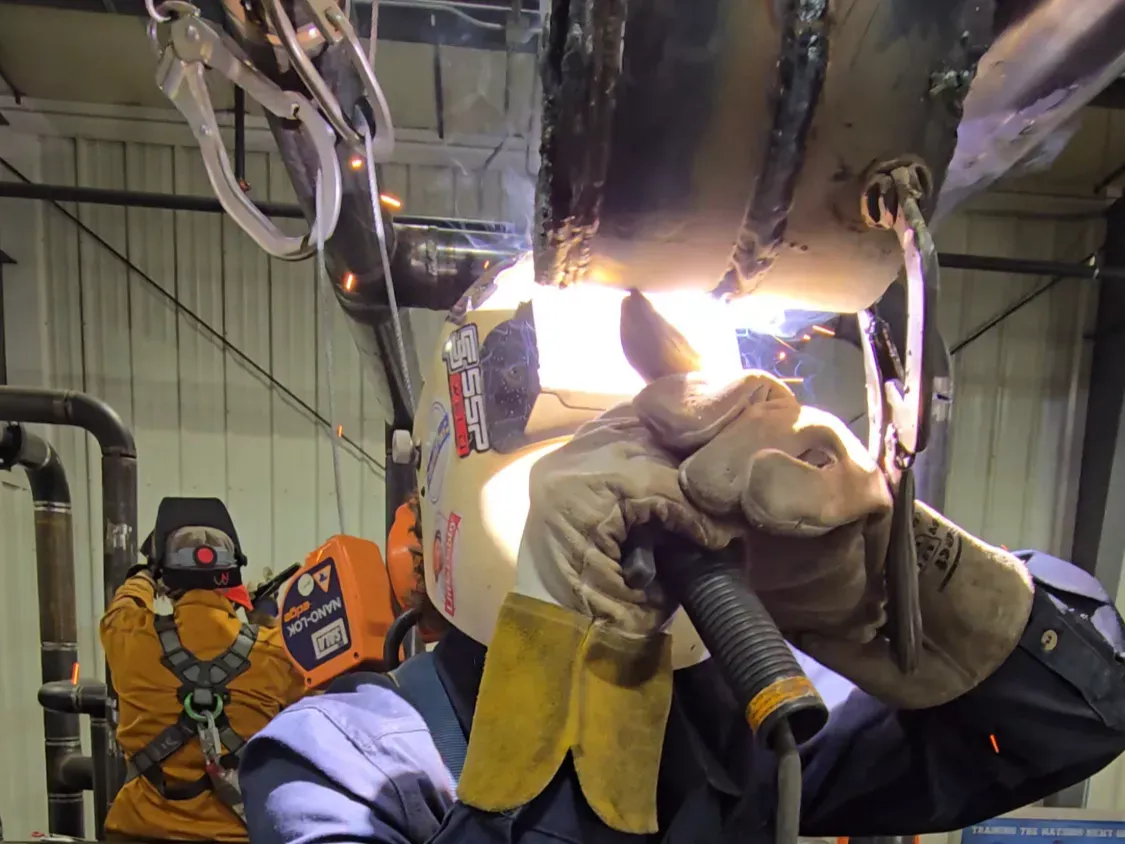
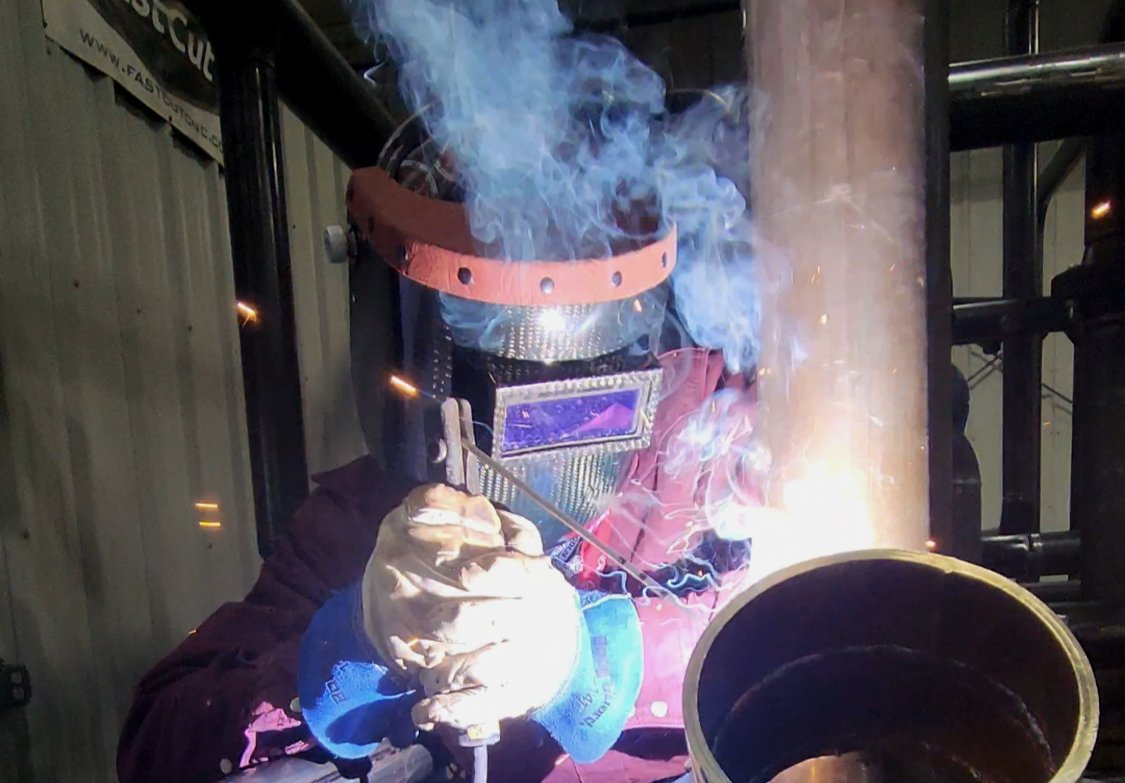
Heat stress happens when the body cannot cool itself fast enough. Welders face a unique challenge here. Heavy protective gear traps body heat against the skin. Helmets, gloves, and flame-resistant jackets are necessary for safety. But they also limit airflow and sweat evaporation.
Combine that gear with high ambient temperatures and physical exertion. The result is a much higher risk of overheating compared to many other trades. This is especially true during summer months or in poorly ventilated shops.
Heat stress can affect anyone, regardless of experience level. Even seasoned welders need to stay alert to changing conditions.
Recognizing the Signs of Heat-Related Illness in Welding Work
Catching symptoms early can prevent a minor issue from becoming a medical emergency. Heat-related illness usually develops in stages. The earliest stage is heat cramps, which cause muscle spasms, usually in the legs or abdomen.
If ignored, this can progress to heat exhaustion. Symptoms include heavy sweating, weakness, dizziness, and nausea. The most severe stage is heat stroke, which is a medical emergency. It can cause confusion, a rapid pulse, and even loss of consciousness.
Here are common warning signs every welder should watch for in themselves and coworkers:
Excessive sweating or, in severe cases, a sudden stop in sweating
Headache, dizziness, or confusion
Muscle cramps or weakness
Nausea or vomiting
Rapid heartbeat or shallow breathing
Anyone showing signs of heat exhaustion or heat stroke should stop working immediately. Move to a cool area and seek medical help if symptoms do not improve quickly.
Hydration Strategies for Welders
Proper hydration is one of the simplest and most effective defenses against heat stress. Welders lose fluids quickly through sweat, especially in hot environments. Don’t wait until you feel thirsty to hydrate. The best approach is steady, consistent fluid intake throughout the shift. Water is the foundation, but electrolyte drinks can help replace lost minerals during long or intense work periods.
A few practical hydration habits can make a big difference:
Drink small amounts of water every 15 to 20 minutes during hot conditions
Avoid excessive caffeine or sugary drinks, which can worsen dehydration
Keep a water bottle nearby at all times, not just during breaks
Monitor urine color as a simple hydration check, aiming for pale yellow
Eat water-rich foods like fruit during breaks to support hydration
Building these habits into a daily routine helps reduce risk before symptoms even appear.
Smart Scheduling to Reduce Heat Exposure in Welding Work
Work scheduling plays a major role in heat stress prevention. Many shops and job sites adjust hours during peak summer months. Starting earlier in the day avoids the hottest afternoon temperatures.
Frequent breaks in shaded or air-conditioned areas also help the body recover. Rotating tasks between high-heat and lower-heat jobs can give the body a chance to cool down. This is especially useful on multi-person crews.
Employers and workers should also factor in humidity, not just temperature. High humidity makes it harder for sweat to evaporate, increasing heat stress risk even on milder days. Welders who understand how to pace themselves through a shift tend to stay safer and more focused.
Securing Your Future Through Welding Safety
Investing in high-quality trade school training is about more than just mastering technical welds; it is about establishing a foundation for a prosperous, lifelong career. Mastering proper safety protocols early instills instincts that safeguard your health, increase job site reliability, and open doors to higher-paying opportunities.
When safety becomes second nature, you build a reputation as a dependable professional whom employers trust with complex, high-stakes projects. Protecting yourself on the job ensures you can enjoy a durable, rewarding career without unnecessary downtime or injury.
Are you ready to elevate your skills and secure your future in the welding industry? Take the first step toward a safe and successful trade career today. Explore our hands-on programs by visiting awaweld.com or speaking directly with an admissions advisor at (636) 800-9353.
Frequently Asked Questions
Are certain welding processes more likely to cause heat-related issues?
Processes that require longer arc times or heavier protective gear, like certain stick or TIG applications, can increase heat exposure compared to quicker spot welding tasks.
How long does it take to recover from mild heat exhaustion?
Most people recover within a few hours with rest, fluids, and a cool environment. However, anyone with severe symptoms should seek medical attention right away.
Does age affect heat stress risk for welders?
Age can be a factor, but fitness level, hydration habits, and acclimatization to heat often matter more than age alone.
